
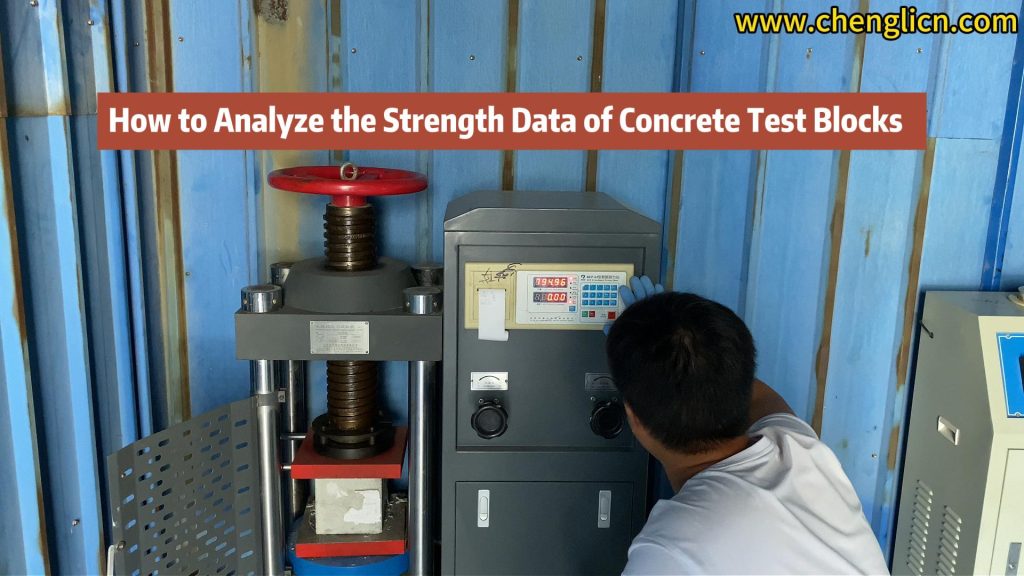
U inženjerstvu betona, ispitivanje čvrstoće blokova za ispitivanje je kritičan korak za osiguranje kvaliteta betona. Analizom podataka o čvrstoći ovih blokova za testiranje, možete efikasno procijeniti performanse i izdržljivost betona. Ispod su odgovori na uobičajena pitanja o ovoj vrsti analize podataka.
Prvo, koji su glavni koraci za analizu podataka o čvrstoći betonskog testnog bloka?
Kada analizirate podatke o čvrstoći betonskih blokova za ispitivanje, obično slijedite ove korake:
1. Priprema blokova za testiranje
Start by selecting appropriate raw materials, mix them according to the designed mix ratio, and make the test blocks under standard conditions. The most common specification for these blocks is 150mm×150mm×150mm.
2. Curing the test blocks
After casting the test blocks, you need to cure them under specific temperature and humidity conditions—this ensures the accuracy of the final concrete strength. The curing period is usually 28 days, and the environment during curing has a big impact on how strong the blocks end up being.
3. Conducting strength tests
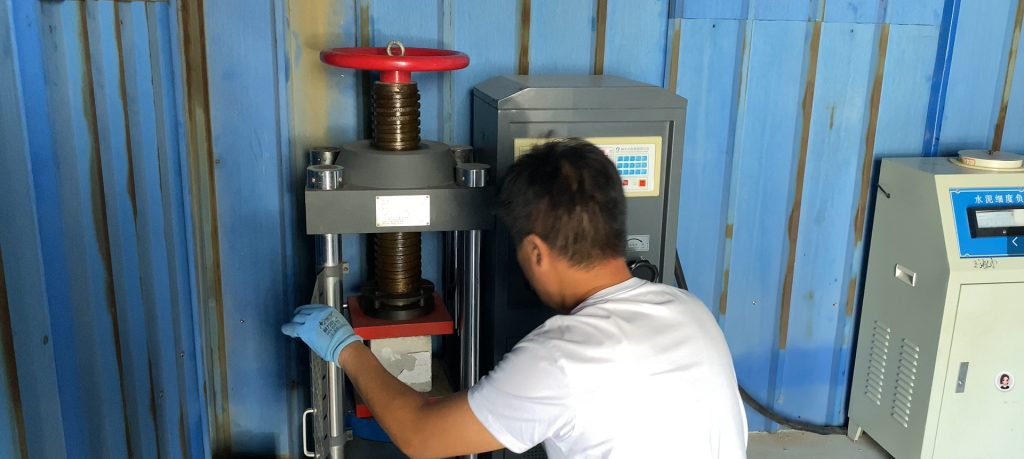
Use a compression testing machine to measure the compressive strength of the cured blocks. Tests are normally done on the 28th day, as this is the standard timeline for assessing concrete’s compressive strength.
4. Recording the data
After each test, jot down the strength value of each block and do a quick initial statistical check.
5. Analyzing the data
Compile all the collected data and analyze it by calculating key statistical indicators—like average strength, standard deviation, and coefficient of variation. These numbers help you assess the concrete’s overall quality and consistency.
6. Reporting the results
Organize the analysis into a report, including charts and clear conclusions from the data. This makes it easier for relevant staff to make decisions.
Tokom cijelog procesa, morate osigurati da svaki korak slijedi nacionalne standarde i industrijske norme – na taj način jamčite točnost i pouzdanost podataka.
Zatim, kako izvodite statističku analizu podataka o čvrstoći betonskog testnog bloka?
Statistička analiza je ključni dio rada na podacima o čvrstoći betonskog testnog bloka. Evo uobičajenih metoda koje se koriste:
- Deskriptivna statistika: Izračunajte metriku poput srednje vrijednosti, minimuma, maksimuma i standardne devijacije snage testnog bloka. Srednja vrijednost vam daje osjećaj ukupne čvrstoće betona, dok vam standardna devijacija pomaže da procijenite koliko je konzistentna čvrstoća između blokova.
- Raspodjela frekvencija: Turn the strength data into a frequency table or histogram. This visual approach makes it easy to see the distribution of strength values—you can quickly spot trends in where the data clusters and how spread out it is.
- Normality testing: Use methods like the Shapiro-Wilk test or Kolmogorov-Smirnov test to check if the strength data follows a normal distribution. This is crucial for later steps like hypothesis testing and parameter estimation.
- Analysis of Variance (ANOVA): If you need to compare concrete strength under different mix ratios or curing conditions, ANOVA helps you determine if the differences between groups are significant.
- Regression analysis: This method lets you explore relationships between concrete strength and other variables (such as water-binder ratio or sand ratio). It’s useful for optimizing the concrete mix and boosting strength.
- Control charts: During production, use control charts to monitor changes in concrete strength over time. This helps you catch anomalies early and keep the production process stable.
Combining these statistical methods gives you a comprehensive view of the strength data, providing a scientific basis for concrete quality control.
Finally, how can you improve the accuracy of concrete test block strength data analysis?
Improving accuracy involves refining multiple aspects of the process:
- Standardize test procedures: Make sure the preparation, curing, and testing of all test blocks strictly comply with national standards and industry regulations. This reduces errors from inconsistent operations and makes test results more reliable.
- Calibrate equipment regularly: Keep testing equipment (like compression testing machines) calibrated on a schedule to ensure their measurement precision. Using high-accuracy machines directly improves the accuracy of strength test results.
- Increase sample size: Use more test blocks to ensure the data is representative. A larger sample reduces the impact of random, one-off errors, making your statistical analysis more trustworthy.
- Clean the data first: Before analyzing, go through the collected data to remove outliers and invalid entries. This ensures only useful, accurate data is used in your analysis.
- Collaborate across departments: Set up a collaboration system between teams involved in concrete production and testing. Sharing information and ensuring smooth data transfer helps lift the overall quality management level.
By taking these steps, you can significantly boost the accuracy of concrete test block strength data analysis—ultimately supporting better quality control and evaluation for your construction projects.