
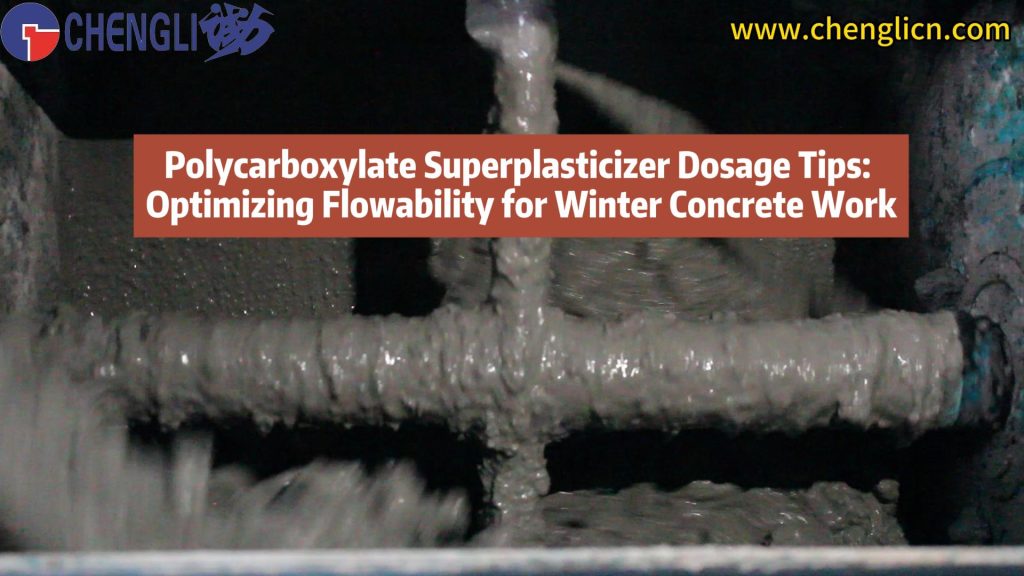
Winter’s tough on concrete construction—especially when you’re trying to keep the mix workable. Low temps slow down cement hydration, kill flowability, and can either delay jobs or hurt quality. Superplasticizs de policarboxilato fix this, but only if you dose them right. Let’s break down simple, actionable tips to adjust Superplasticante de policarboxilato amounts for reliable winter concrete results.
- First, Understand Why Winter Ruins Concrete Flowability
Cold weather messes with concrete in three main ways. It makes cement hydrate slower, which means slump fades faster over hours. It also thickens fresh concrete quicker, so placing and finishing get harder. Even a small drop in temperature—below 10°C (50°F)—can slash flowability by 20% or more. Superplasticizs de policarboxilato help by spreading out cement particles, but wrong doses make things worse: too little, and flowability dies; too much, and the mix segregates. - What Actually Changes How Much Polycarboxylate superplasticizer You Need in Winter
There’s no one-size-fits-all Superplasticante de policarboxilato dose for winter mixes. You have to tweak it based on four key things:
Cement type: Portland cement doesn’t need as much Superplasticante de policarboxilato as blended ones—like those mixed with fly ash. Blended cements react slower in the cold, so you might need 0.1–0.2% more Superplasticante de policarboxilato.
Aggregate temperature: Frozen or cold aggregates (below 5°C/41°F) soak up heat from the mix. If your aggregates are warm—10–15°C (50–59°F)—Superplasticizs de policarboxilato work better, so you can use less.
Water temperature: Keep mixing water between 15–25°C (59–77°F). Cold water (under 10°C/50°F) makes Superplasticizs de policarboxilato less effective, so you’ll need 0.1–0.3% more.
Concrete strength: High-strength mixes (C50+) need more Superplasticante de policarboxilato—0.6–0.8%—to balance strength and flow. Low-strength mixes (C30–C40) do fine with 0.3–0.5%.
- Step-by-Step: How to Get Superplasticante de policarboxilato Dosage Right This Winter
Here’s how to nail the right Superplasticante de policarboxilato amount, step by step:
Start with the manufacturer’s base dose—usually 0.2–0.5% of the cement’s weight.
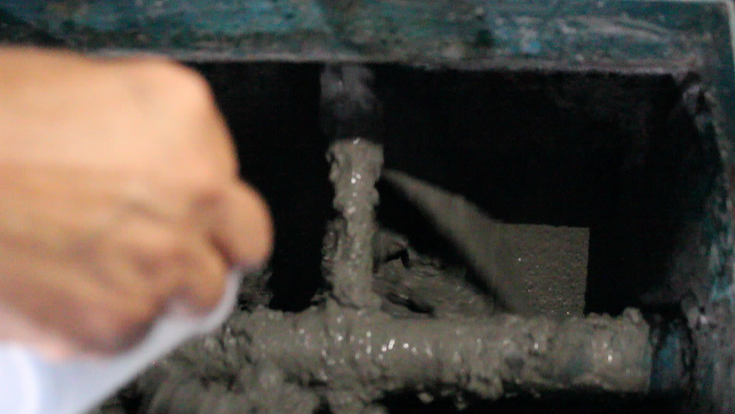
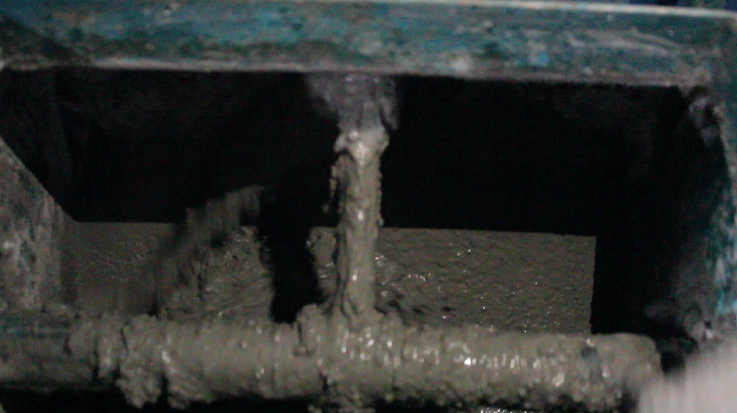
Mix up a small batch (50 to 100 liters) and test it at the job site’s real temperature.
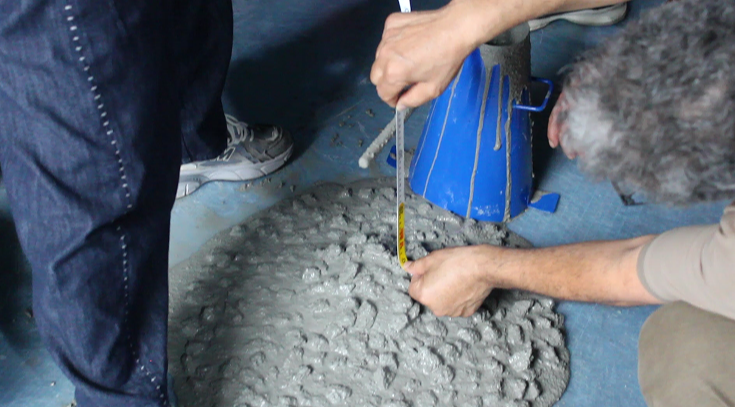
Check the slump after 5 minutes—aim for 180–220mm for most winter jobs.
If slump’s too low, add Superplasticante de policarboxilato in 0.05% increments—never more than 0.1% at once.
If the mix segregates (water pools or aggregates settle), cut the dose by 0.05% and retest.
For overnight placements, add 0.1% extra Superplasticante de policarboxilato to keep slump from fading in cold nights. - On-Site Testing: Don’t Skip It—It Saves Headaches
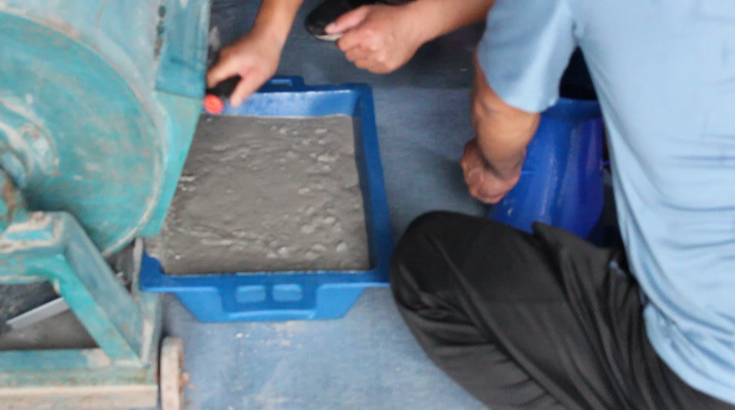
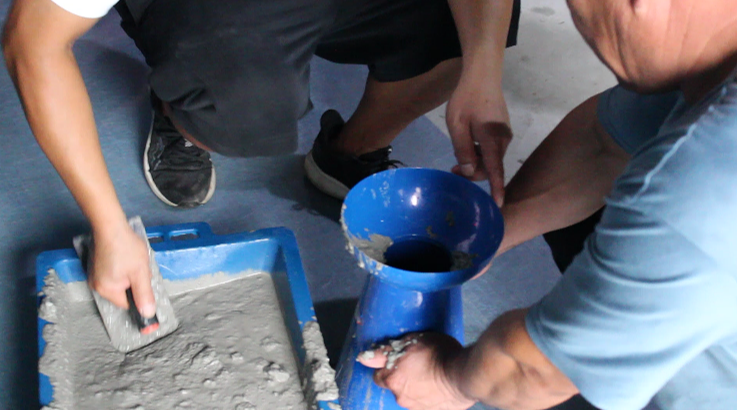
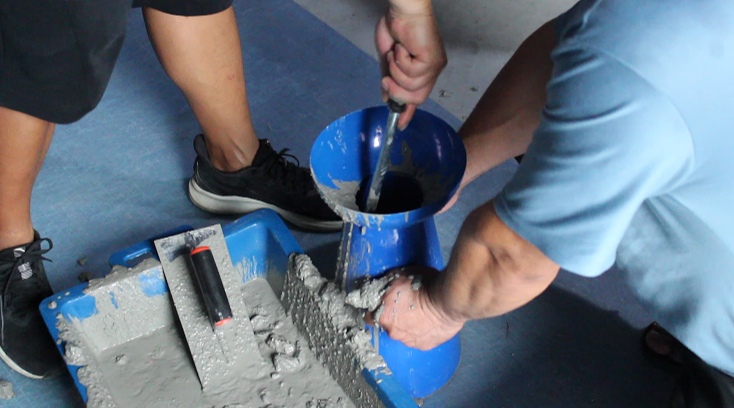
You can’t skip testing if you want Superplasticizs de policarboxilato to work in winter. Here are two easy ways to do it:
Slump test: Measure slump right after mixing, then again 30 minutes later. Winter mixes should hold at least 70% of their initial slump.
Setting time test: Cold concrete sets slower, but Superplasticizs de policarboxilato shouldn’t delay it by more than 2 hours. Use a Vicat tool to check initial and final set times.
Adjust doses if tests go wrong. For example, if slump drops below 150mm in 30 minutes, bump Superplasticante de policarboxilato by 0.05–0.1%.
- Common Mistakes to Avoid With Winter Superplasticante de policarboxilato Dosing
A lot of contractors mess up Superplasticante de policarboxilato dosing in winter, and it wipes out all the benefits. Here’s what not to do:
Pouring more Superplasticante de policarboxilato to fix slump loss from the cold: Too much Polycarboxylate superplasticizer causes bleeding and cuts concrete strength by 10–15%.
Ignoring changes in raw materials: If your cement supplier switches batches, retest Superplasticante de policarboxilato dose—even small cement changes throw it off.
Using summer doses in winter: Superplasticizs de policarboxilato work faster in summer heat; winter needs 0.1–0.3% more to keep up.
Skipping pre-warming materials: Warm up cement, aggregates, and water first—this means you won’t need extra Superplasticante de policarboxilato.
Final Thoughts: Balance Is Key for Winter Success
Superplasticizs de policarboxilato are game-changers for winter concrete work, but they only work if you dose them right. By knowing what winter does to concrete, tweaking doses for your materials and temps, and testing often, you’ll keep flowability steady and jobs on track. Remember: small, slow dose adjustments work better than big jumps. Do this, and your winter concrete will hit strength and workability goals—even when it’s freezing.
Nuestro equipo técnico profesional está disponible las 24 horas del día, los 7 días de la semana para solucionar cualquier problema que pueda encontrar al utilizar nuestros productos.¡Esperamos su cooperación!