
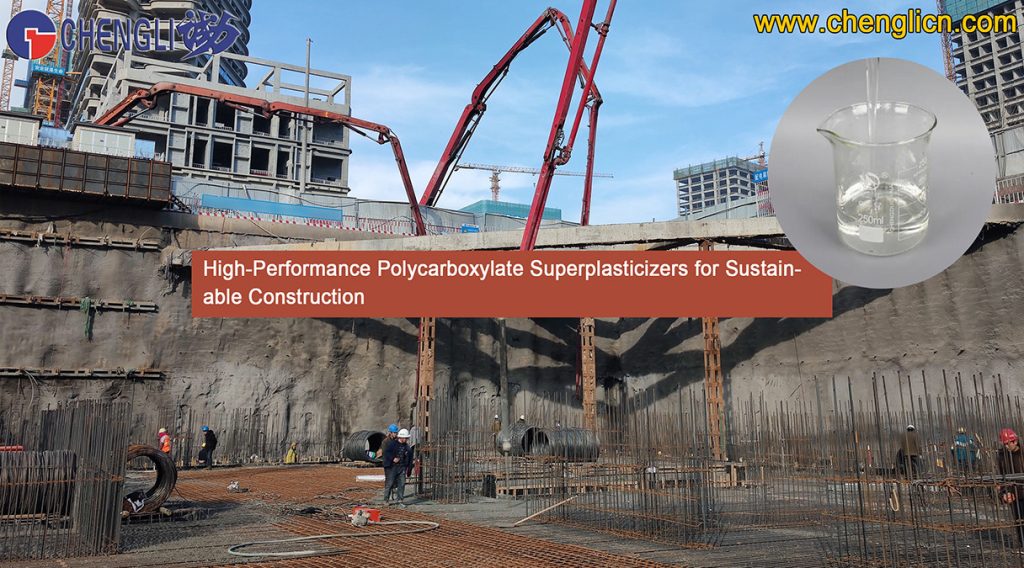
Équilibrer la résistance, l’efficacité et la responsabilité environnementale du béton moderne
La construction durable est devenue une priorité mondiale ces dernières années. Il se concentre sur la réduction de l’impact environnemental tout en garantissant la durabilité structurelle. Haute performance superplastifiants polycarboxylates jouent un rôle clé dans cette transition. Ils transforment les propriétés en béton sans sacrifier les objectifs de durabilité.
superplastifiants polycarboxylates sont des adjuvants pour béton de troisième génération dotés de structures moléculaires uniques en forme de peigne. Leur conception permet un contrôle précis de l’ouvrabilité et de la résistance du béton. Contrairement aux superplastifiants traditionnels, ils fonctionnent efficacement à faibles doses. Cette efficacité en fait un choix rentable pour les projets de construction écologique.
La fonction essentielle de superplastifiants polycarboxylates réside dans leur capacité à réduire la teneur en eau du béton. Ils dispersent uniformément les particules de ciment grâce à l'encombrement stérique et à la répulsion électrostatique. Cette dispersion élimine le besoin d’un excès d’eau pour maintenir la fluidité. Des rapports eau-ciment plus faibles améliorent directement la résistance et la durabilité du béton.
Moderne superplastifiant polycarboxylate Les formulations donnent la priorité à la durabilité environnementale dans leur synthèse. Les chercheurs utilisent désormais des matériaux issus de la biomasse pour remplacer les matières premières pétrochimiques. Ces produits basés sur la biomasse superplastifiants polycarboxylates réduire la dépendance aux ressources non renouvelables. Ils minimisent également les émissions de carbone pendant la production.
Les méthodes de synthèse vertes améliorent encore le respect de l’environnement des superplastifiants polycarboxylates. La polymérisation mécanochimique par mélange interne est l’une de ces approches innovantes. Elle consomme moins d’énergie que la polymérisation traditionnelle en solution aqueuse. Cette méthode produit également des superplastifiants polycarboxylates à haute concentration avec un minimum de déchets.
Haute performance superplastifiants polycarboxylates contribuer de manière significative à la réduction des émissions de carbone dans la construction. Ils permettent un remplacement plus important du ciment par des sous-produits industriels. Les cendres volantes, les scories et les fumées de silice peuvent remplacer jusqu'à 50 % du ciment dans les mélanges. Ce remplacement permet de réduire la production de ciment, un important émetteur de carbone.
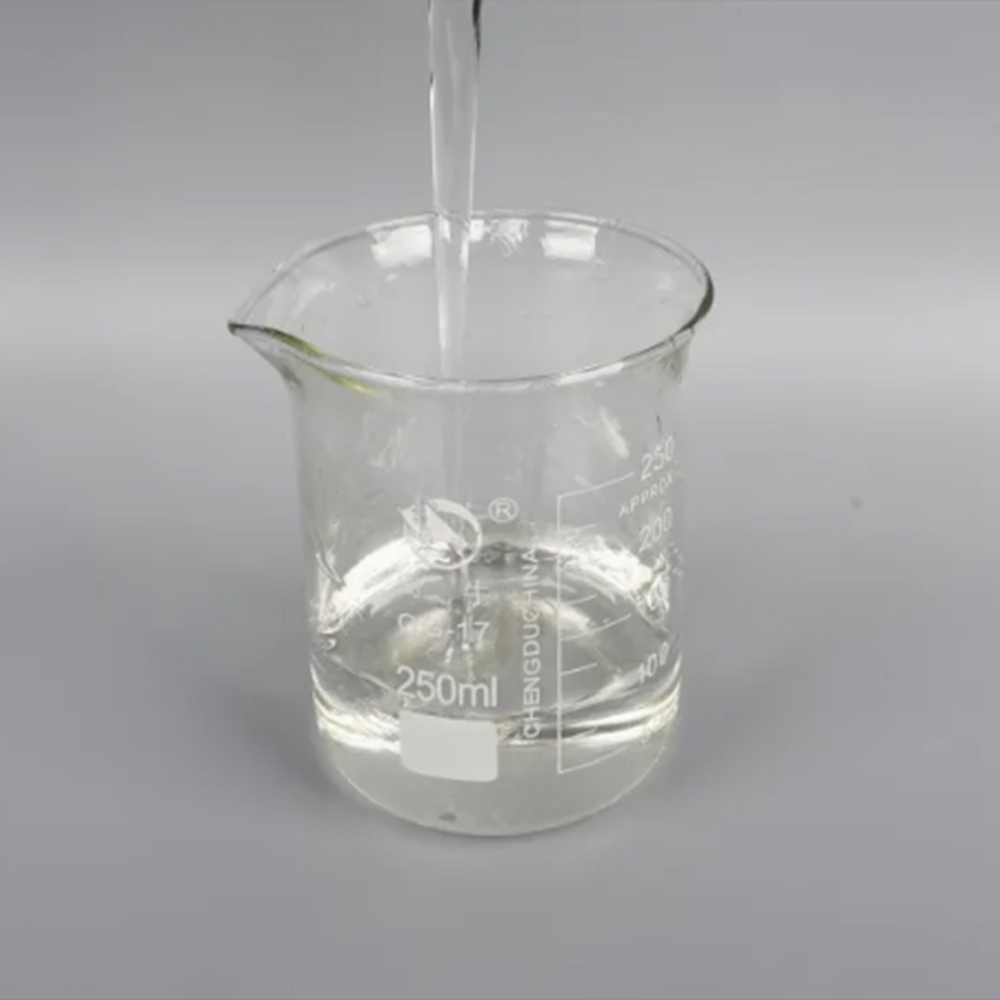
L'amélioration de la durabilité est un autre avantage clé de superplastifiant polycarboxylate-béton amélioré. La teneur réduite en eau crée une matrice de béton plus dense. Cette matrice résiste à la pénétration de l’eau, à la corrosion chimique et aux dommages causés par le gel et le dégel. Les structures plus durables nécessitent moins de réparations et de remplacements au fil du temps.
L’efficacité de la construction est améliorée grâce à l’utilisation de superplastifiants polycarboxylates dans les mélanges de béton. Ils créent un béton autoplaçant qui s'écoule sans vibration mécanique. le béton autoplaçant réduit les coûts de main-d’œuvre et accélère les délais de construction. Il garantit également une mise en place uniforme du béton dans les structures complexes.
superplastifiants polycarboxylates s'adapte bien à divers scénarios de construction et types de ciment. Ils fonctionnent de manière constante dans des environnements à haute ou basse température. Leur compatibilité avec différentes formulations de ciment les rend polyvalents. Cette polyvalence convient aussi bien aux grands projets d’infrastructures qu’aux bâtiments résidentiels.
Des recherches récentes ont optimisé superplastifiant polycarboxylate structures moléculaires pour de meilleures performances. L'ajustement de la longueur de la chaîne latérale et des groupes fonctionnels améliore la capacité de dispersion. L'ajout de groupes d'acide sulfonique ou d'acrylamide améliore la rétention de l'affaissement. Ces modifications adaptent les superplastifiants polycarboxylates aux exigences spécifiques du projet.
Les applications concrètes démontrent la valeur de superplastifiants polycarboxylates dans la construction durable. Les projets ferroviaires à grande vitesse utilisent des superplastifiants polycarboxylates pour produire du béton durable et à haute résistance. Les ponts et les tunnels en dépendent pour résister aux conditions environnementales difficiles. Les fabricants de béton préfabriqué bénéficient de leur capacité à créer des formes complexes.
superplastifiants polycarboxylates surpassent les superplastifiants traditionnels en termes de performances et de durabilité. Ils ont des taux de réduction d’eau plus élevés que les alternatives à base de naphtalène ou de mélamine. Leur dosage plus faible réduit l’utilisation de produits chimiques et l’empreinte environnementale. Ils ne contiennent pas non plus de substances nocives comme le formaldéhyde.
Des défis subsistent pour optimiser les performances des superplastifiants polycarboxylates dans des conditions extrêmes. Les chercheurs étudient la perte d’affaissement à haute température et la sensibilité des agrégats. De nouvelles formulations visent à améliorer le contrôle de la viscosité dans les mélanges à faible rapport eau-ciment. Ces progrès élargiront davantage les applications des superplastifiants polycarboxylates.
L'avenir de superplastifiants polycarboxylates réside dans des innovations plus intelligentes et plus durables. Les monomères d’origine biologique remplaceront davantage de composants pétrochimiques. La nanotechnologie pourrait encore améliorer leur efficacité de dispersion. Ces développements aligneront les superplastifiants polycarboxylates sur les principes de l’économie circulaire.
Les organismes de réglementation et les normes industrielles soutiennent l’adoption de superplastifiants polycarboxylates. Les certifications de bâtiments écologiques comme LEED reconnaissent superplastifiants polycarboxylates comme additifs durables. Ils encouragent leur utilisation dans des projets visant l’excellence environnementale. Cette reconnaissance entraîne une adoption plus large par l’industrie.
Les entrepreneurs et les ingénieurs préfèrent de plus en plus superplastifiants polycarboxylates pour leurs avantages pratiques. Ils simplifient les processus de construction tout en répondant aux objectifs de durabilité. Des coûts de maintenance réduits et une durée de vie plus longue des structures ajoutent une valeur économique. Cette combinaison d’avantages environnementaux et économiques rend les superplastifiants polycarboxylates indispensables.
En conclusion, performant superplastifiants polycarboxylates changent la donne. Ils comblent le fossé entre le béton haute performance et la construction durable. Leurs propriétés uniques, leur synthèse verte et leurs applications polyvalentes les rendent indispensables. Ils continueront à stimuler l’innovation dans le secteur de la construction dans les années à venir.
Notre équipe technique professionnelle est disponible 24h/24 et 7j/7 pour résoudre tous les problèmes que vous pourriez rencontrer lors de l'utilisation de nos produits.Nous attendons avec impatience votre coopération !