
Perkenalan
The construction industry relies heavily on concrete as a primary building material due to its durability, versatility, and cost-effectiveness. However, maintaining the workability of fresh concrete over time—specifically its slump retention—remains a critical challenge. Slump retention refers to the ability of concrete to retain its fluidity and plasticity during transportation, placement, and finishing. Poor slump retention can lead to segregation, reduced strength, and increased labor costs. To address this, modern concrete mixes increasingly rely on advanced chemical admixtures such as Superplasticizer Polikarboksilat. This article explores strategies for optimizing slump retention using Superplasticizer Polikarboksilat, while emphasizing the role of a reliable produsen bahan tambahan beton in delivering high-performance solid concrete water reducing agents.
1. Understanding Slump Retention and Its Importance
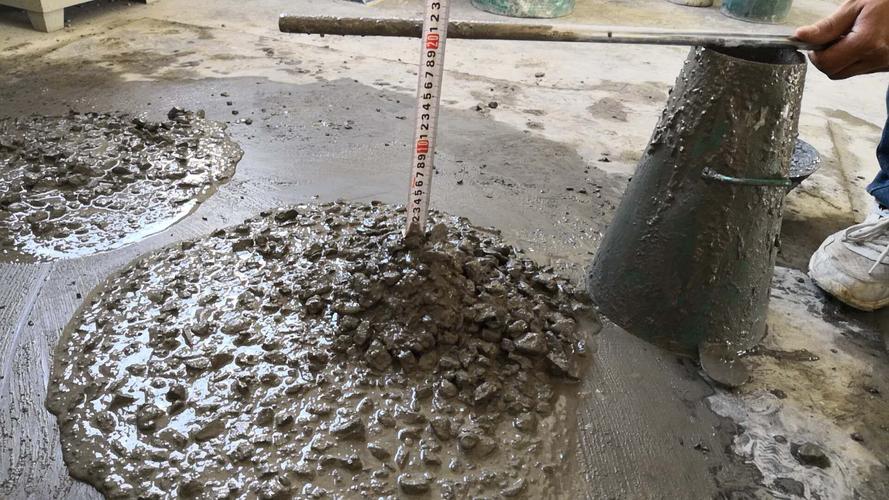
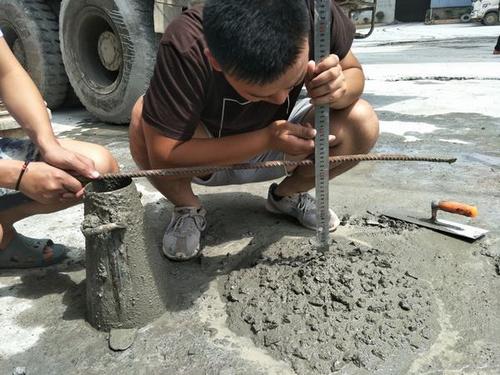
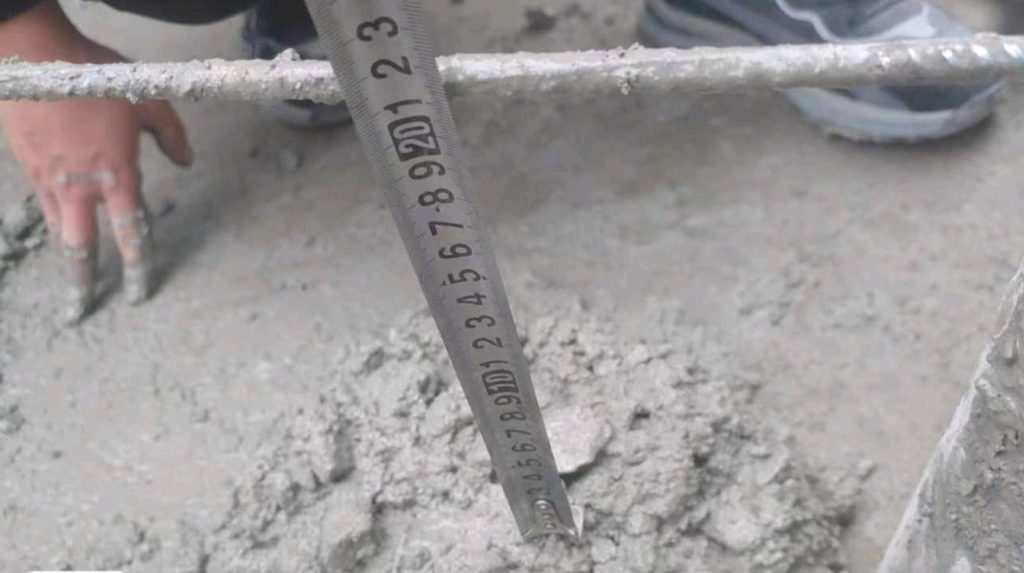
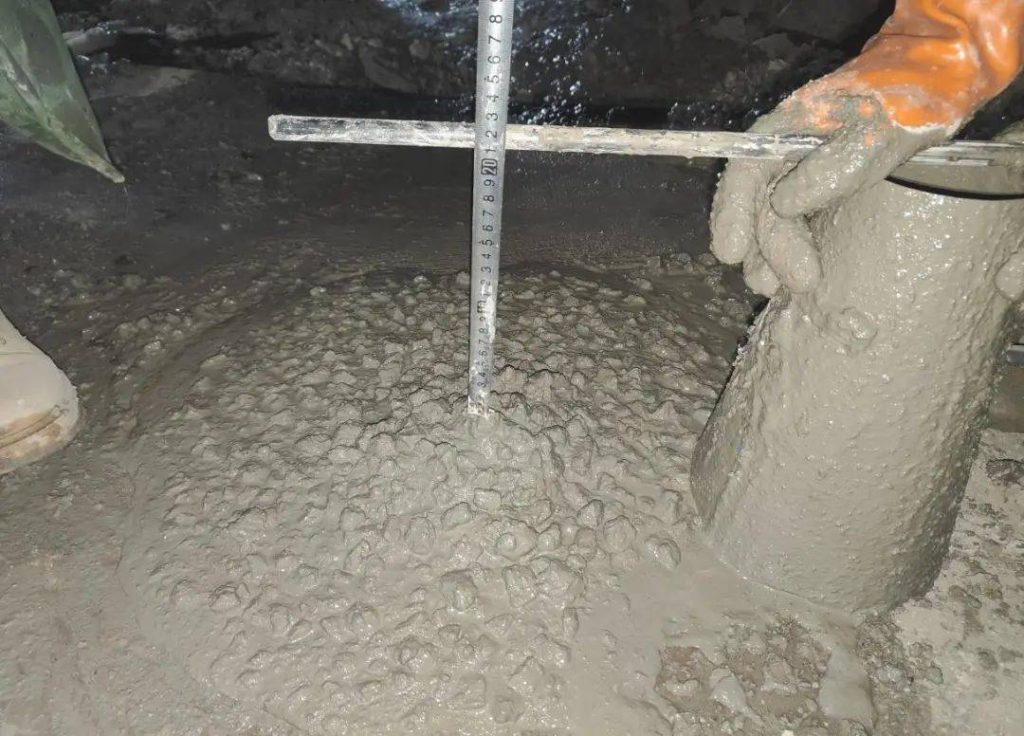
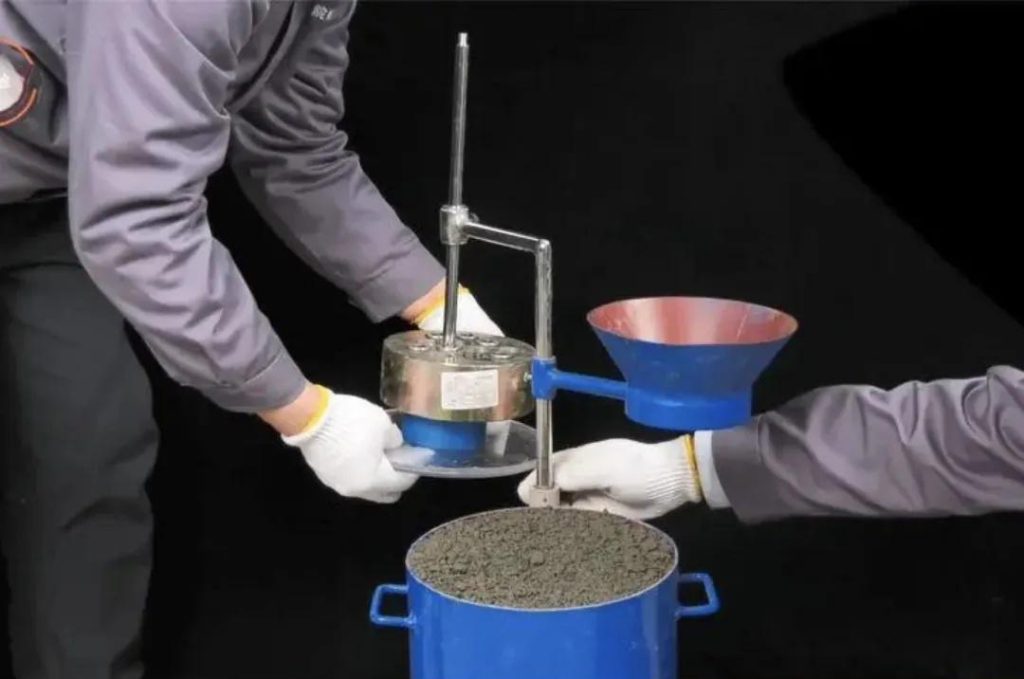
Slump retention is measured using the ASTM C143 slump test, which evaluates the consistency of fresh concrete. A higher slump value indicates greater fluidity, but this must be balanced against the risk of segregation. Ideal slump retention ensures that concrete remains workable from mixing until final placement, even under challenging conditions like high temperatures or long transportation times.
Traditional bahan pereduksi air beton, such as lignosulfonates or naphthalene-based superplasticizers, often struggle to maintain slump beyond 60–90 minutes. This limitation has driven the adoption of next-generation Superplasticizer Polikarboksilat, which offer superior performance in terms of water reduction, slump retention, and compatibility with other admixtures.
2. The Science Behind Superplasticizer Polikarboksilat
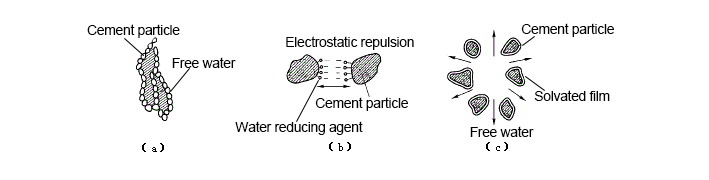
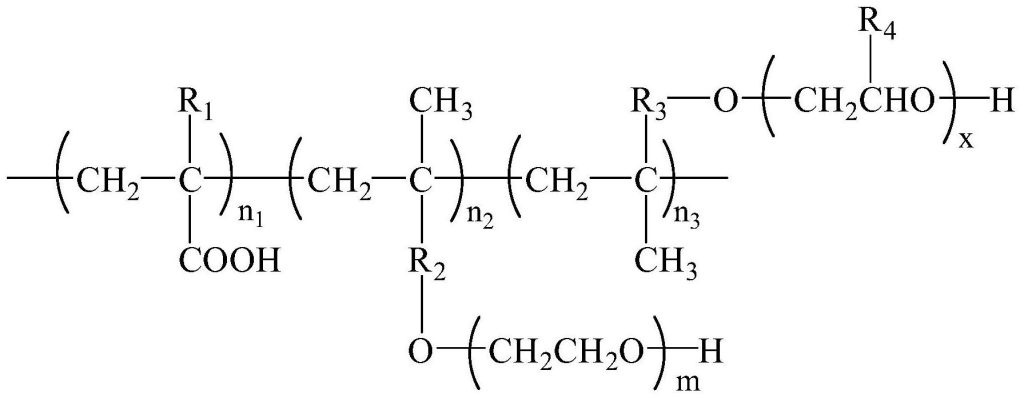
Polycarboxylate Superplasticizers are synthetic polymers characterized by a comb-like molecular structure. This design includes a hydrophilic backbone with carboxylate groups and polyethylene oxide (PEO) side chains. The unique architecture allows Superplasticizer Polikarboksilat to:
- Disperse cement particles more effectively via electrostatic repulsion.
- Reduce water demand by up to 40%, enabling high-strength, low-permeability concrete.
- Extend slump retention through controlled adsorption and delayed hydration reactions.
Unlike older admixtures, Superplasticizer Polikarboksilat can be tailored at the molecular level. For instance, adjusting the side-chain length or grafting density allows a produsen bahan tambahan beton to customize the superplasticizer for specific applications, such as hot-weather concreting or self-consolidating concrete (SCC).
3. Strategies for Optimizing Slump Retention with Superplasticizer Polikarboksilat
a. Molecular Tailoring of Polycarboxylate Superplasticizers
The slump retention performance of Superplasticizer Polikarboksilat depends on their molecular design:
- Long side chains provide steric hindrance, slowing cement hydration and prolonging workability.
- Optimal grafting density balances adsorption and dispersion efficiency.
- Functional groups like sulfonic acid enhance compatibility with supplementary cementitious materials (SCMs) like fly ash or slag.
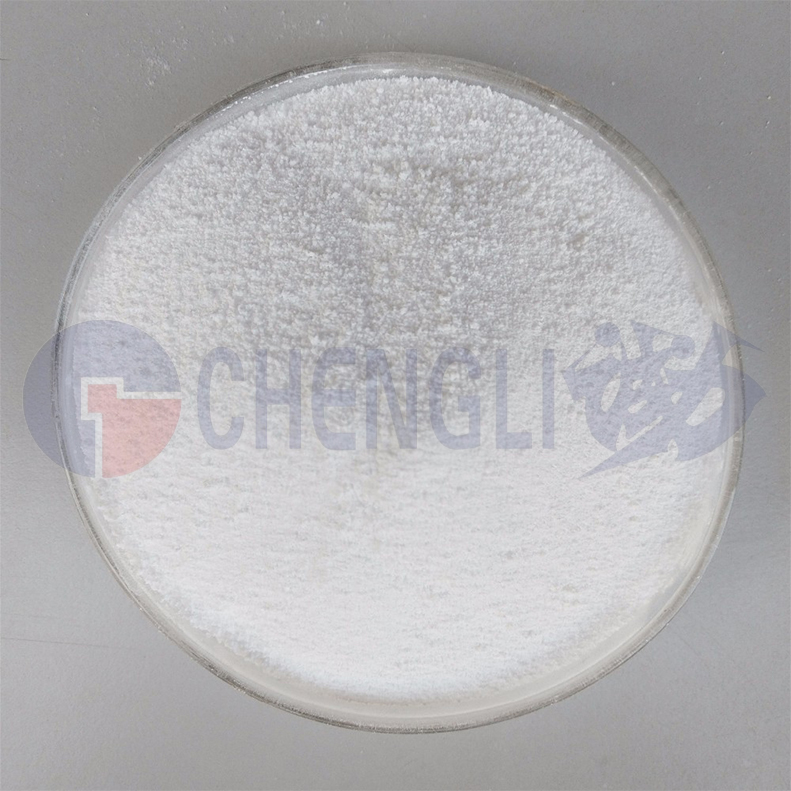
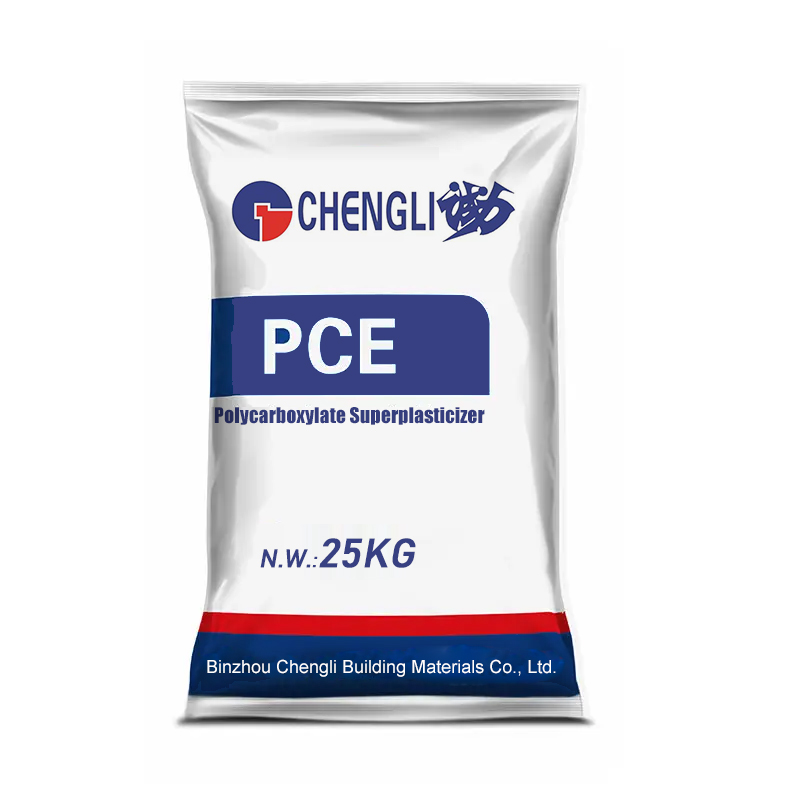
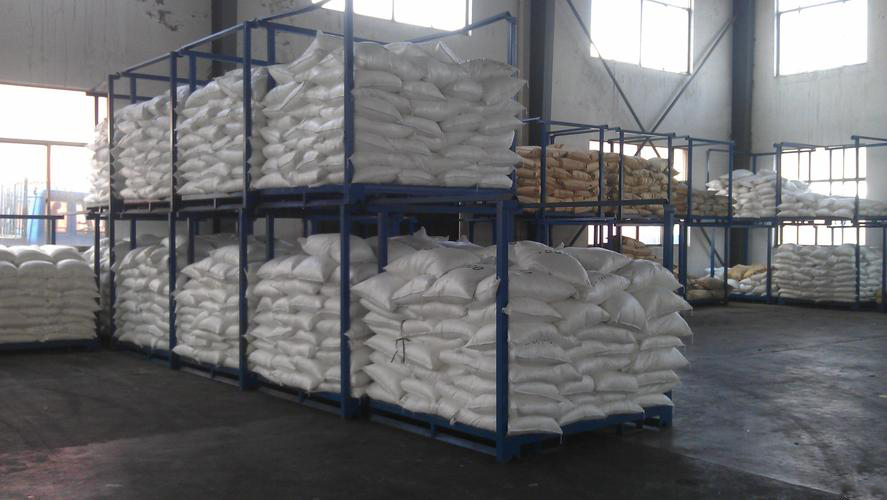
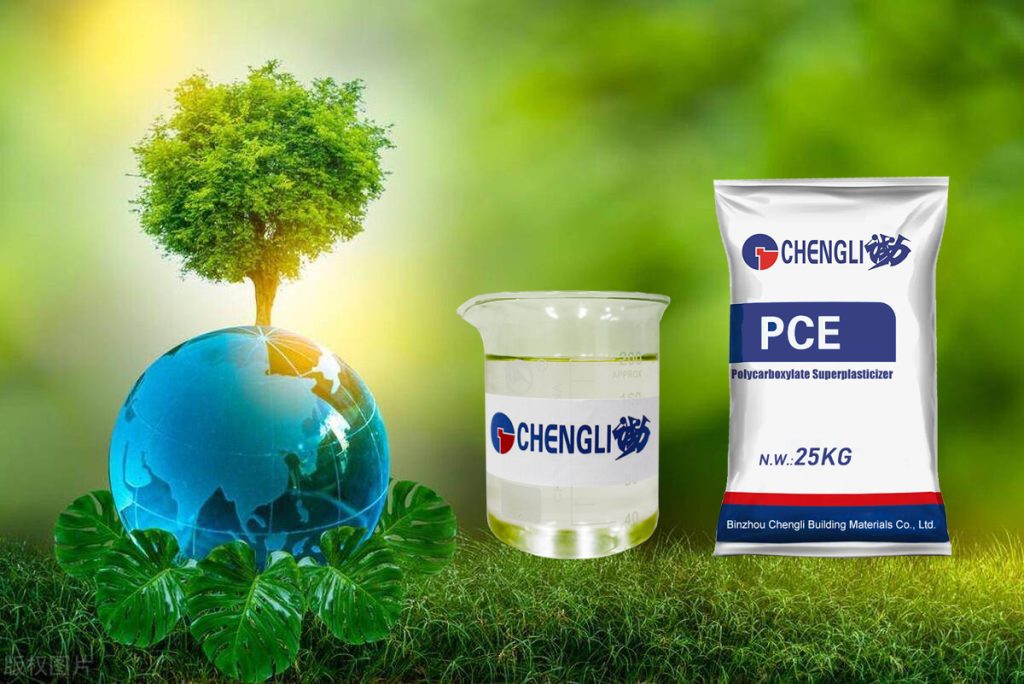
Leading manufacturers now offer zat pereduksi air beton padat in powder form, which are easier to transport and store than liquid alternatives. These solid Polycarboxylate Superplasticizers dissolve rapidly in mixing water, ensuring uniform dispersion.
b. Dosage Optimization
Overdosing Polycarboxylate Superplasticizers can cause excessive retardation or air entrainment, while underdosing leads to rapid slump loss. The ideal dosage depends on:
- Cement chemistry (e.g., C3A content).
- Ambient temperature and humidity.
- Mix design (e.g., water-cement ratio, SCM content).
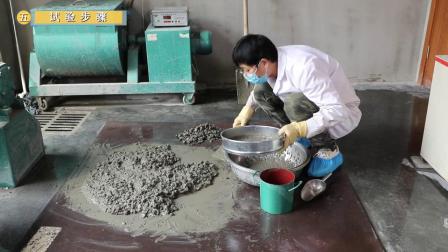
Collaboration with a produsen bahan tambahan beton is essential to determine the optimal dosage through lab trials and field testing.
c. Compatibility with Other Admixtures
Superplasticizer Polikarboksilat must coexist with other additives like air-entraining agents, retarders, or viscosity modifiers. Incompatibilities can destabilize the mix, causing slump loss or segregation. Pre-blended admixture systems, often supplied by specialized manufacturers, mitigate this risk.
d. Temperature Management
High temperatures accelerate cement hydration, shortening slump life. Solutions include:
- Using retarding-type Superplasticizer Polikarboksilat with extended side chains.
- Incorporating ice or chilled mixing water.
- Applying shade or cooling forms during placement.
4. The Role of Concrete Admixtures Manufacturers
A reputable produsen bahan tambahan beton plays a pivotal role in slump retention optimization by:
- Providing Polycarboxylate Superplasticizers tailored to regional materials and climate.
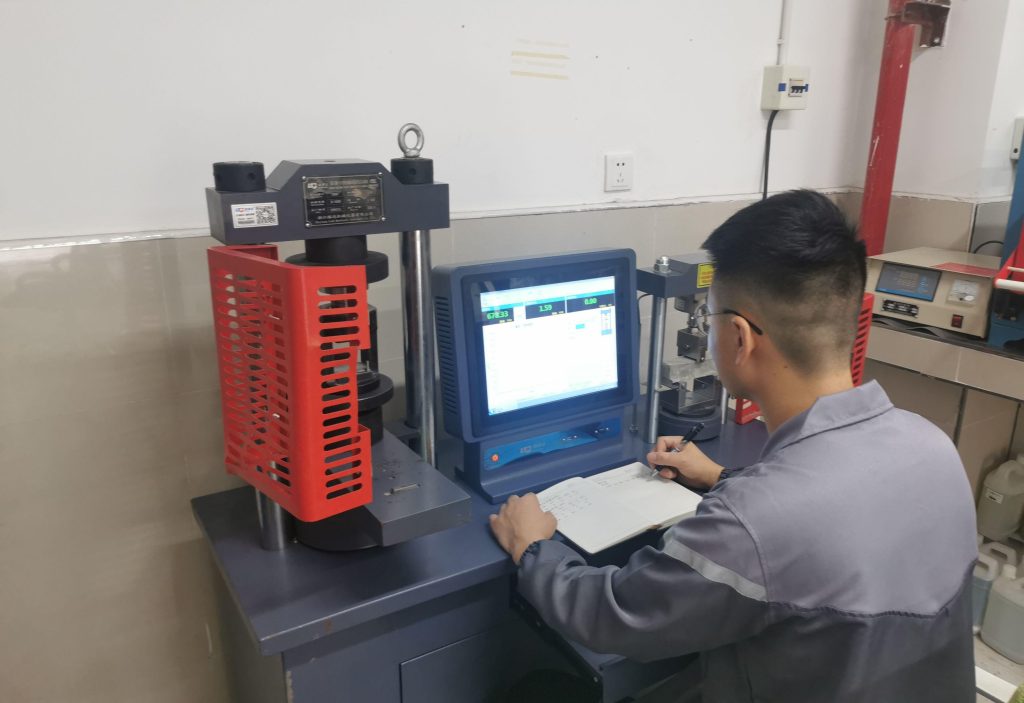
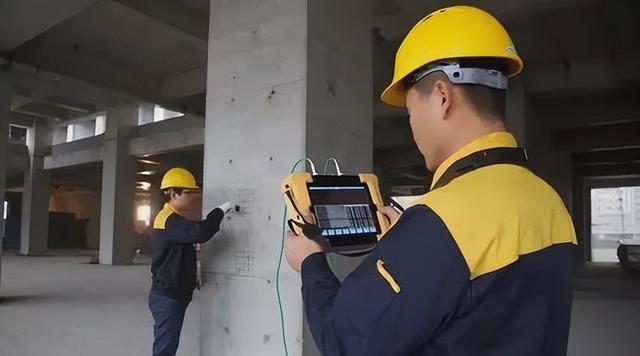
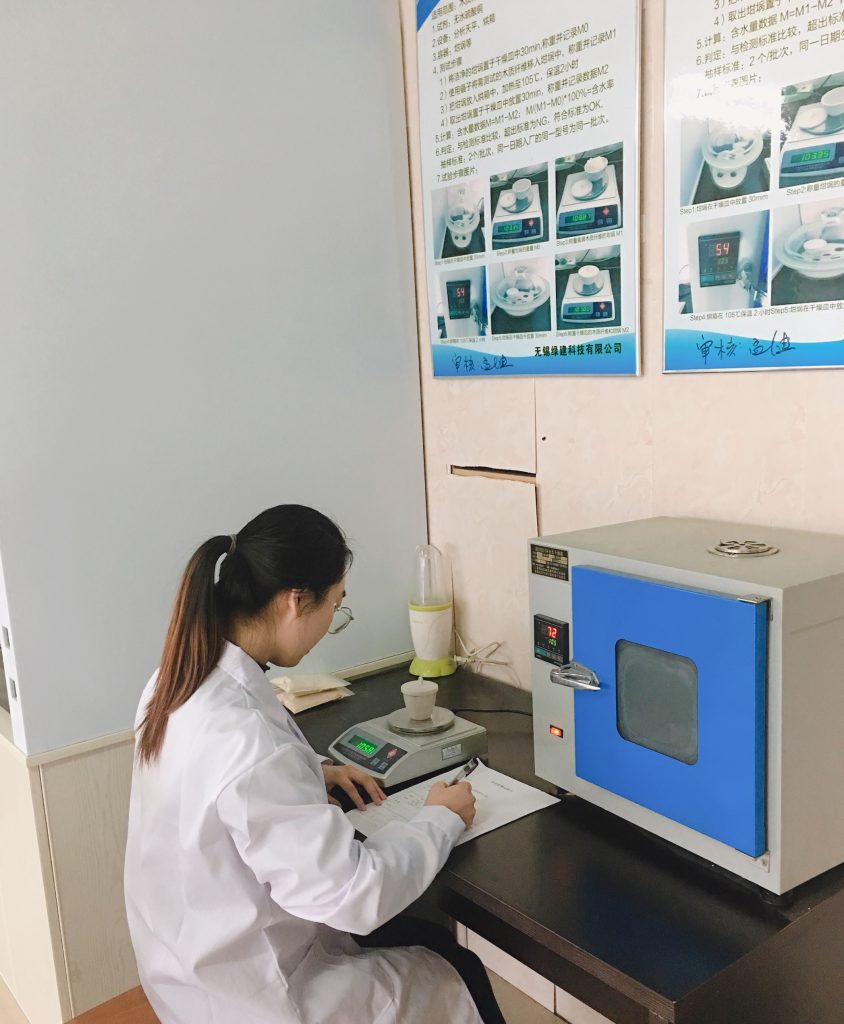
- Offering technical support for dosage calibration and mix design.
- Supplying zat pereduksi air beton padat for projects in remote or high-temperature regions.
- Conducting R&D to develop next-gen Superplasticizer Polikarboksilat with enhanced slump retention and sustainability.
Case studies from manufacturers like Sika, BASF, and GCP Applied Technologies highlight innovations such as Superplasticizer Polikarboksilat with “time-release” mechanisms, which maintain slump for over 4 hours without compromising early strength.
5. Sustainability and Cost Considerations
Ketika Superplasticizer Polikarboksilat are more expensive than traditional admixtures, their benefits often justify the cost:
- Reduced water usage lowers carbon footprint.
- Extended slump retention minimizes waste from rejected batches.
- High-performance mixes enable thinner sections, reducing material consumption.
Manufacturers are also developing bio-based Superplasticizer Polikarboksilat to align with green construction trends.

Kesimpulan
Optimizing slump retention with Superplasticizer Polikarboksilat requires a synergy of advanced chemistry, precise dosing, and collaboration with a trusted produsen bahan tambahan beton. As the industry shifts toward high-performance and sustainable construction, Superplasticizer Polikarboksilat will remain indispensable for achieving durable, workable, and eco-friendly concrete. By leveraging tailored admixtures like zat pereduksi air beton padat, engineers can overcome slump retention challenges while meeting the demands of modern infrastructure projects.
Tim Teknis Profesional Kami Tersedia 24/7 Untuk Mengatasi Masalah Apa Pun yang Mungkin Anda Temui Saat Menggunakan Produk Kami. Kami Menantikan Kerja Sama Anda!