
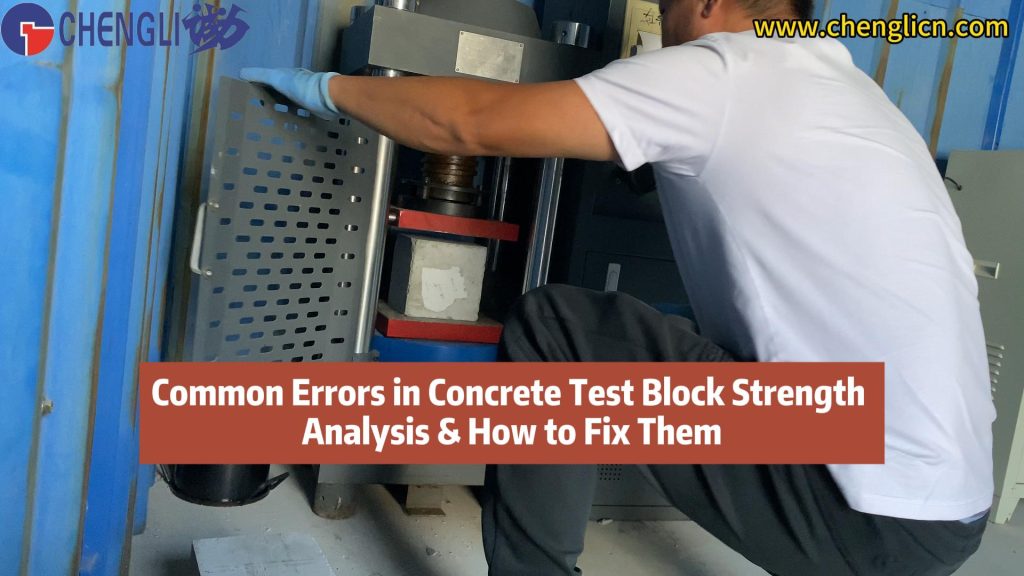
Identifying Critical Issues and Implementing Effective Solutions
Concrete test blocks serve as the backbone of structural safety assessments(Concrete admixtures used in concrete test blocks). They reflect the actual strength of concrete used in buildings, bridges, and other key infrastructures. A single misstep in strength analysis can lead to flawed structural judgments, increasing the risk of collapses, financial losses, and even casualties. This article breaks down the most prevalent errors in concrete test block strength analysis and provides actionable solutions to address them. By avoiding these pitfalls, engineers and technicians can ensure more accurate, reliable results that safeguard public safety.
Many strength analysis failures trace back to flawed sampling practices on construction sites. Workers often take samples randomly, ignoring critical stages of the concrete mixing process. They may scoop material from the top of the mixer or skip mixing uniformity checks before sampling. This leads to test blocks that do not represent the actual concrete used in the structure. For example, a sample taken too early may contain unevenly distributed aggregates, resulting in lower measured strength than the real value.
To fix this issue, strict sampling protocols must be implemented. Technicians should take samples only after the concrete has been thoroughly mixed for the specified duration. They must collect material from at least three different positions in the mixer or transport vehicle. Use clean, dry sampling tools to avoid contamination. Additionally, each sample should be labeled immediately with details like the sampling time, batch number, and construction area. This ensures traceability and guarantees the test block’s representativeness.
Even with proper samples, incorrect fabrication of test blocks can render strength tests meaningless. Common mistakes include under-filling or over-filling the molds, insufficient compaction, and rough surface finishing. Under-compaction leaves air bubbles in the concrete, weakening the test block and leading to underestimated strength. Over-filling, on the other hand, causes uneven stress distribution during curing, resulting in distorted test results.
Standardizing the fabrication process is essential to resolve these issues. First, ensure molds are clean, oiled, and properly assembled to prevent concrete leakage. Fill the molds in three layers, each about one-third of the mold height. Use a vibrating table or a tamping rod to compact each layer—vibrate until no more air bubbles rise, or tamp 25 times evenly for each layer. After filling, smooth the surface with a trowel, removing excess concrete without creating indentations. Finally, place the freshly fabricated blocks in a shaded, moisture-retentive area to start initial curing.
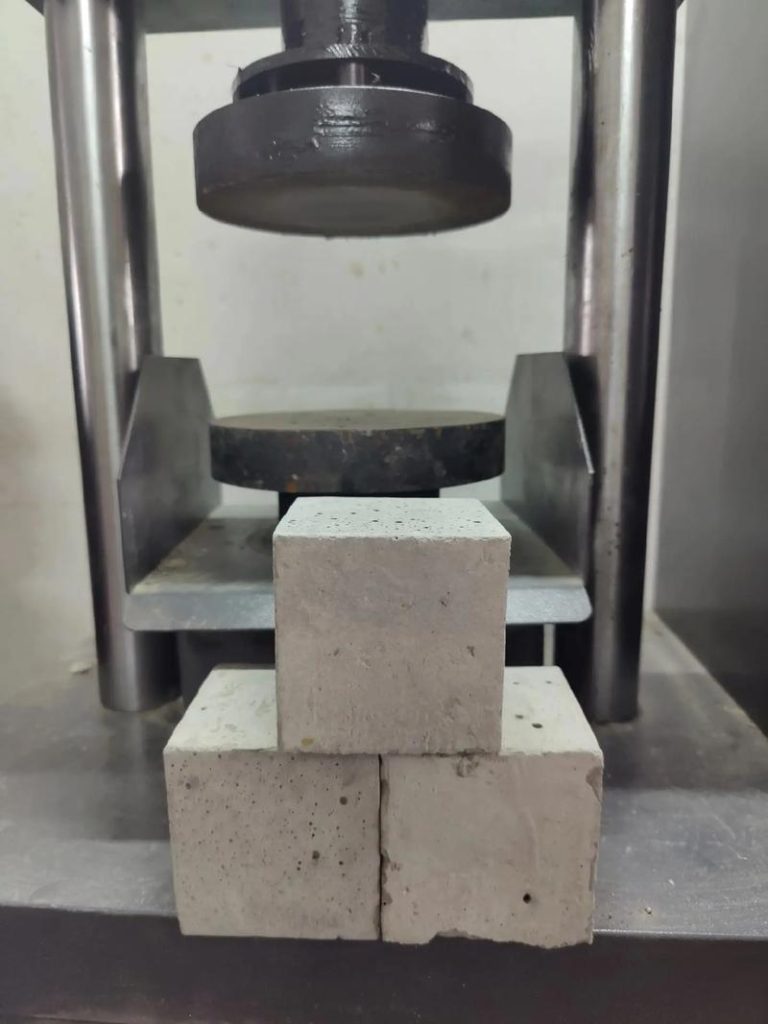
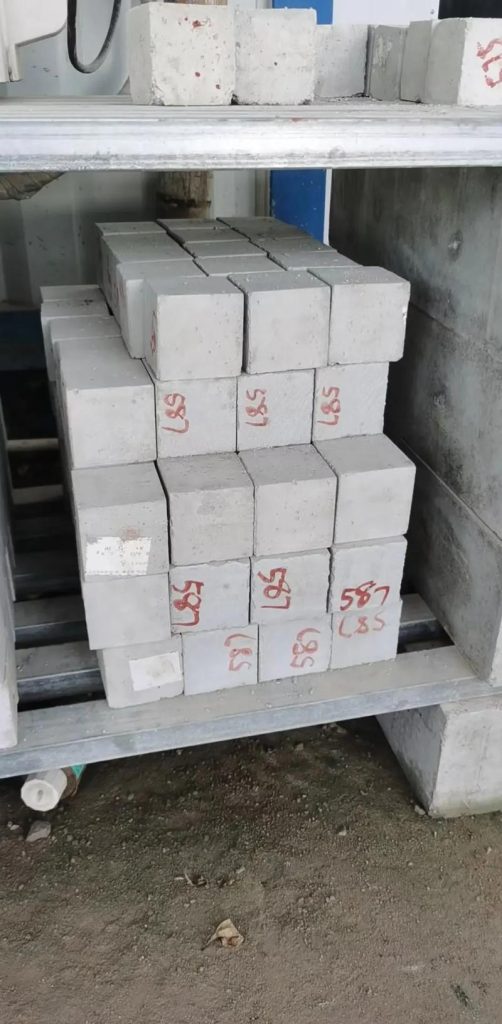
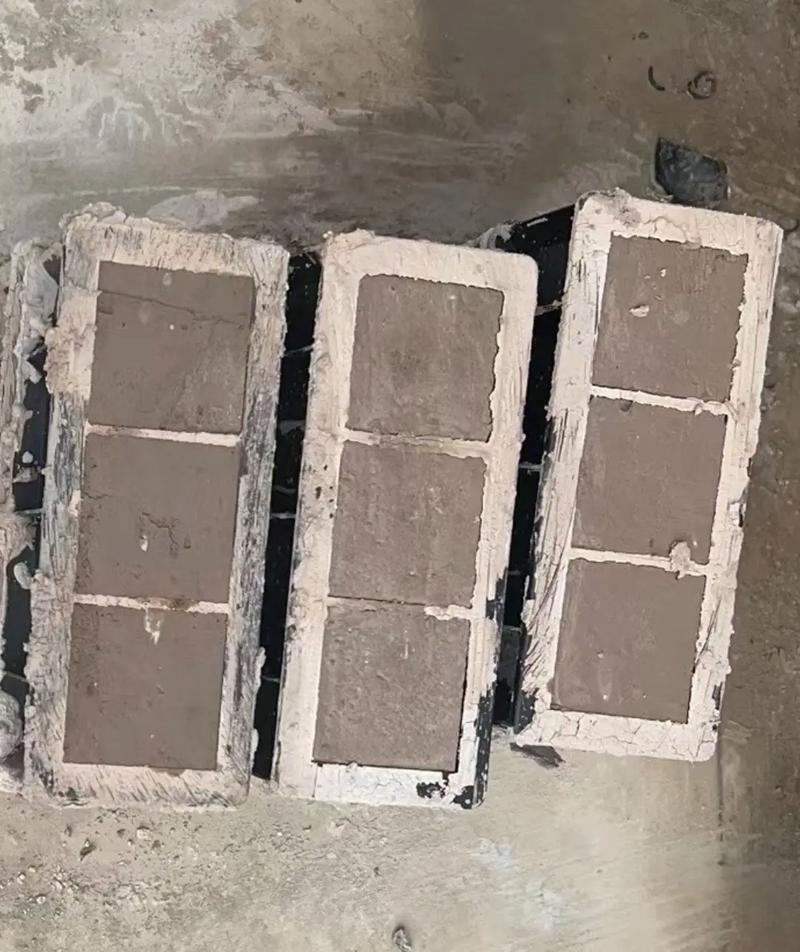
Concrete gains strength gradually through hydration, and improper curing disrupts this critical process. Many sites neglect curing requirements, exposing test blocks to direct sunlight, strong winds, or low humidity. These conditions cause rapid water evaporation from the concrete surface. The result is a porous, weak structure with significantly lower strength than it should have. In cold environments, unprotected test blocks may freeze, damaging the internal structure permanently.
Controlled curing environments are the solution to this problem. For standard tests, maintain the curing room at a temperature of 20±2°C and relative humidity of at least 95%. Use professional curing boxes if a dedicated room is unavailable—these devices regulate temperature and humidity automatically. Cover the test blocks with damp burlap or plastic sheets during initial curing (the first 24 hours) to lock in moisture. Avoid moving the blocks during the first three days to prevent structural damage. For on-site curing when laboratory conditions are unavailable, use curing compounds that form a protective film on the concrete surface.
The testing phase itself is prone to errors that invalidate strength data. Technicians often skip pre-test preparations, such as checking the test block’s surface condition or aligning the block properly in the testing machine. Using a machine that is not calibrated regularly is another major issue. An uncalibrated machine may apply uneven loads, leading to either overestimated or underestimated strength values. Rushing the test by applying load too quickly also causes inaccurate readings, as concrete needs time to distribute stress evenly.
To ensure accurate testing, follow a strict pre-test and testing routine. First, inspect the test block—reject blocks with cracks, surface defects, or size deviations. Wipe the block clean and mark the loading points to ensure even force application. Calibrate the compression testing machine at least once every six months and keep detailed calibration records. During the test, apply the load at a constant rate (typically 0.3–0.5 MPa per second) as specified by standards. Record the maximum load at which the block fails and calculate the strength accurately, rounding to the appropriate number of significant figures.
Even with accurate test results, mistakes in data handling can lead to wrong structural decisions. Technicians may record test values incorrectly, mix up batch numbers, or fail to note abnormal test conditions (such as a cracked mold). When interpreting data, they often ignore outliers without justification or average results from non-homogeneous batches. This can mask potential issues, such as a batch of concrete with unacceptably low strength.
Establishing rigorous data management practices is crucial. Use electronic data entry tools instead of manual recording to reduce transcription errors. Each test record should include comprehensive details: sample information, fabrication and curing conditions, testing parameters, and any anomalies observed. When analyzing data, follow standard outlier rejection criteria—for example, discard a result if it deviates by more than 15% from the average of three tests. If outliers are present, investigate the cause (e.g., poor compaction) and retest if necessary. Compare the final strength results with the design requirements and document any discrepancies for further evaluation.
Conclusion: Building Reliability Through Standardization
Concrete test block strength analysis is a critical link in ensuring structural safety, and its reliability depends on avoiding common errors at every stage. From proper sampling and fabrication to controlled curing, accurate testing, and rigorous data management, each step requires strict adherence to standards. By implementing the solutions outlined in this article, engineering professionals can minimize errors, produce more reliable test results, and ultimately enhance the safety and durability of concrete structures. In an industry where precision matters, standardization and attention to detail are the keys to preventing costly and dangerous mistakes.