
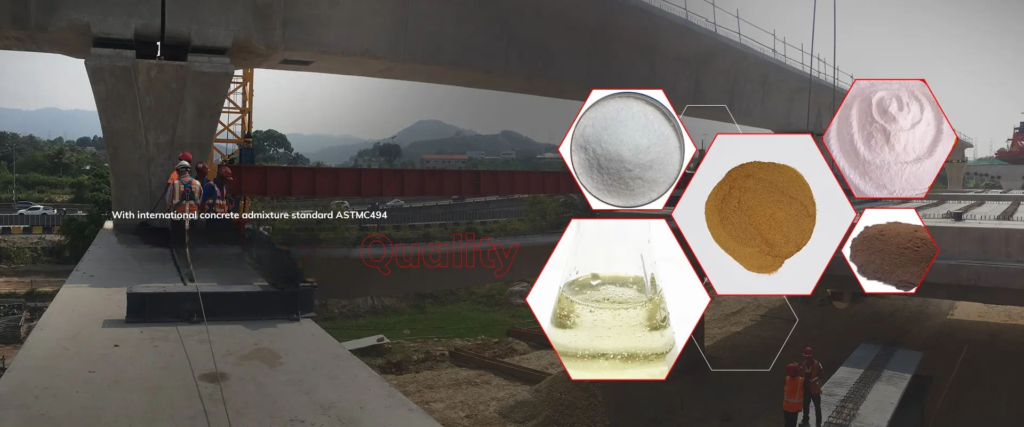
Fahadisoana mivaingana mitana anjara toerana lehibe amin’ny fanorenana maoderina. Ny sasany amin'izy ireo dia afaka manatsara ny faharetan'ny simenitra, miantoka ny faharetan'ny serivisy ary mampihena ny vidin'ny fikojakojana mandritra ny fampiasana. Ny fanampin-javatra sasany dia mampitombo ny tanjaky ny simenitra, ka mahatonga azy ho matanjaka sy manana kalitao ambony kokoa, mahazaka tsindry bebe kokoa. Izany dia manampy amin'ny fampihenana ny hery ivelany, ny fampihenana ny fahasimban'ny trano ary ny fampidinana ny risika mandritra ny fampiasana. Ny admixtures sasany dia afaka manatsara ny fahombiazan'ny simenitra mba hiarahana tsara amin'ny fitaovana hafa. Amin'ny maha manam-pahaizana amin'ity sehatra ity, dia faly izahay mamoaka torolàlana momba ny fampiasana mifangaro beton.
Fizarana 1: Ireo fangaro betonika 5 fampiasa matetika indrindra?
Ny fangaro vita amin'ny simenitra dia fitambarana na fanampim-panampiana ampiana amin'ny simenitra mandritra ny dingan'ny fampifangaroana mba hanatsarana ny toetrany sy ny asany. Misy fangaro simenitra fampiasa matetika izay afaka manatsara ny lafiny isan-karazany amin'ny simenitra. Ireto manaraka ireto ny sasany amin'ireo fampifangaroana betonika be mpampiasa indrindra:
1.Rano Reducer
Fantatra ihany koa amin'ny anarana hoe Plasticizers na Superplasticizers, ny Reducers dia ireo fangaro izay mampihena ny habetsahan'ny rano ilaina mba hahazoana ny firindrana irina amin'ny fangaro simenitra. Manatsara ny fahaiza-miasa sy ny fikorianan'ny rivotra izy ireo nefa tsy mampandefitra ny tanjaka.
Ny fampihenana ny rano dia iray amin'ireo fangaro vita amin'ny simenitra fampiasa matetika, matetika dia mitentina eo amin'ny 30% hatramin'ny 40% amin'ny habetsahan'ny fangaro vita amin'ny simenitra ampiasaina.
2. Accelerators
Ny Accelerators dia afaka manafaingana ny fotoana fametrahana ny Beton. Mahasoa izy ireo amin'ny mari-pana mangatsiaka kokoa na rehefa ilaina ny fitomboana haingana, toy ny mandritra ny fanorenana amin'ny toetr'andro mangatsiaka. Accelerator dia fangaro vita amin'ny simenitra fampiasa matetika, mazàna mitentina eo amin'ny 10% hatramin'ny 20% amin'ny habetsahan'ny fangaro simenitra ampiasaina.
3. Retarders
Ireo fanampin-javatra ireo dia mampiadana ny fotoana fametrahana ny simenitra, mamela ny fotoana azo ampiasaina bebe kokoa amin'ny toetr'andro mafana na rehefa mandrotsaka rano be. Ny Set Retarders dia ilaina indrindra amin'ny fisorohana ny fametrahana aloha loatra na ny fampihenana ny mety hisian'ny tonon-taolana mangatsiaka. Noho izany, ny fametrahana Retarder koa dia iray amin'ireo fampifangaroana betonika be mpampiasa, matetika mitentina 10% hatramin'ny 20% amin'ny habetsahan'ny fangaro vita amin'ny simenitra ampiasaina.
4.Air-Entraining Agent
Air-Entraining Agent Is Used To Create Tiny Air Bubbles In Concrete, Thereby Improving Its Ability To Resist Freeze-Thaw Cycles. These Air Bubbles Provide Space For The Water To Expand As It Freezes, Reducing The Chance Of Cracking And Damage. Air Bubbles Are Used More In Some Specific Cases, Usually Accounting For About 5% To 10% Of The Amount Of Concrete Admixture Used.
5.Corrosion Inhibitors
These Admixtures Help Protect The Rebar Within The Concrete By Reducing Or Preventing Corrosion. They Form A Protective Layer On The Surface Of Steel To Extend The Life Of Reinforced Concrete Structures And Typically Account For Less Than 5% Of The Amount Of Concrete Admixture Used.
Section 2.Classification Of The Most Commonly Used Concrete Admixtures
1.Types Of Concrete Superplasticizers
Concrete Superplasticizer Is The Most Commonly Used Concrete Admixture, And It Has Many Types, Also Known As Superplasticizer Or Superplasticizer. These Additives Are Used To Improve The Workability Of Concrete Without Sacrificing Its Strength.
Here Are Some Common Types:
1.Polycarboxylate Etera-Based (PCE) Superplasticizers:
PCE Superplasticizers Are Widely Used In The Construction Industry Due To Their High Water-Reducing Capacity And Excellent Dispersing Properties. They Offer Improved Flowability And Can Reduce The Water Content In Concrete Mixtures Significantly.
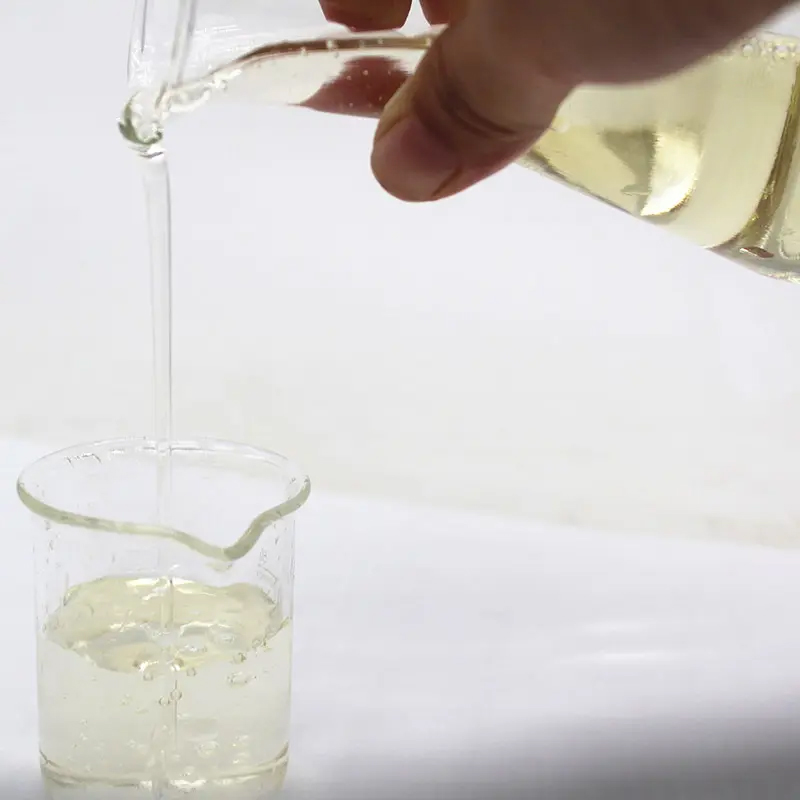
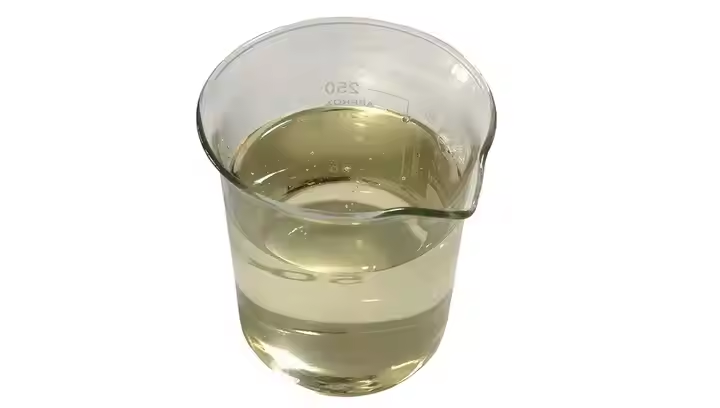
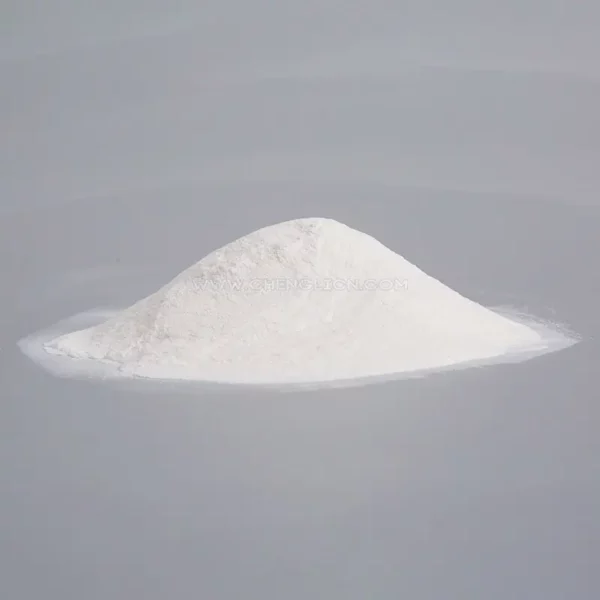
It Is Worth Noting That Polycarboxylate Ether-Based (PCE) Superplasticizers Are Divided Into Liquid And Powder, Which Can Have Advantages, Which I Will Focus On In Other Articles. For Details, Please Refer To 《Polycarboxylate Superplasticizer (vovoka)》
2.Sulfonated Melamine Formaldehyde (SMF) Superplasticizers:
SMF Superplasticizers dia matetika ampiasaina amin'ny fampiharana simenitra mialoha. Izy ireo dia manome haavo antonony amin'ny fampihenana ny rano ary manatsara ny asa.
3.Sulfonated Naphthalene Formaldehyde (SNF) Superplasticizers:
Ny SNF Superplasticizers dia efa nampiasaina nandritra ny taona maro ary fantatra amin'ny toetrany mahomby amin'ny fampihenana ny rano. Azon'izy ireo atao ny mampitombo ny fitotongan'ny simenitra nefa mitazona ny heriny.
4.Protein-Based Superplasticizers:
Ireo Superplasticizer ireo dia avy amin'ny vokatra avy amin'ny fambolena toy ny soja na katsaka. Tsy dia ampiasaina loatra izy ireo raha oharina amin'ny karazana hafa fa manolotra fampisehoana tsara amin'ny lafiny fampihenana ny rano sy fanatsarana ny fahaiza-miasa.
5.Lignosulfonate-Based Superplasticizers:
Lignosulfonates dia vokatra avy amin'ny fizotry ny fametahana hazo ary azo ampiasaina ho superplasticizer. Manome fampihenana rano antonony izy ireo ary manana fananana fanaparitahana tsara.
2.Types Of Concrete Admixture Accelerators
1.Calcium Chloride:
Calcium Chloride Is One Of The Most Commonly Used Concrete Accelerators. It Is Inexpensive And Readily Available. It Accelerates The Hydration Process Of Cement, Allowing For Faster Setting And Early Strength Development. However, It Can Corrode Reinforcing Steel If Used In Excessive Amounts.
2.Non-Chloride Accelerators:
Non-Chloride Accelerators Function Similarly To Calcium Chloride But Do Not Contain Chloride Ions. These Accelerators Are Often Used In Situations Where The Presence Of Chlorides Can Cause Corrosion, Such As In Reinforced Concrete Structures. Non-Chloride Accelerators Are Typically Based On Compounds Like Calcium Nitrate, Triethanolamine, Or Formic Acid.
3.Silica Fume:
Silica Fume, Also Known As Microsilica, Is A Highly Reactive Pozzolanic Material That Can Act As An Accelerator. It Is A By-Product Of The Silicon And Ferrosilicon Alloy Production Process. Silica Fume Reduces The Time Required For Concrete To Achieve Its Desired Strength By Increasing The Rate Of Cement Hydration.
4.Aluminum Powder:
Ny vovoka Aluminum dia zavatra vita amin'ny metaly izay mihetsika amin'ny alkali ao anaty simenitra mba hamokarana entona hydrogène. Ity entona ity dia miteraka fanerena ary mampivelatra ny beton, ka mahatonga ny fametrahana haingana kokoa sy ny fanamafisana. Ny vovoka aluminium dia matetika ampiasaina amin'ny fampiharana mitaky fampandrosoana haingana.
5. Fametrahana haingana simenitra:
Ny simenitra Rapid-Setting dia karazana simenitra izay misy isan-jaton'ny aluminate kalsioma ambony kokoa ary ambany kokoa ny tricalcium silicate raha oharina amin'ny simenitra Portland mahazatra. Ity fandrafetana ity dia mamela ny fametrahana haingana kokoa sy ny fampandrosoana tanjaka. Matetika izy io no ampiasaina amin'ny fanamboarana vonjy taitra na toe-javatra izay tena zava-dehibe ny fotoana fanodinana haingana.
Santionany vitsivitsy amin'ny acceleratore concrete admixture ireto. Ny fifantenana ny Accelerator mety dia miankina amin'ny fepetra takiana amin'ny tetikasa manokana, toy ny mari-pana, ny fotoana irina, ary ny fampandrosoana ny hery. Torohevitra ny fifampidinihana amin'ny matihanina mba hamaritana ny accelerator mety indrindra ho an'ny fampiharana manokana.
3. Fanasokajiana ny fangaro amin'ny simenitra
Ampiasaina mba hampiadana ny ora fametrahan'ny Beton ary matetika ampiasaina amin'ny toetr'andro mafana, na amin'ny tetikasa fanorenana lehibe na rehefa mila fotoana bebe kokoa amin'ny fametrahana sy famitana ny simenitra. Ny Admixture Retarders dia azo zaraina ho karazany samihafa araka ny firafiny simika sy ny fomba fiasany.
Here Are Some Common Classifications Of Concrete Admixture Retarders:
1.Sugar-Based Retarders:
Sugar-Based Retarders, Such As Sucrose Or Glucose, Interfere With The Hydration Process By Providing An Alternative Carbon Source For Bacteria Or Fungi In The Mixture. This Transfer Of Carbon Slows Down The Reaction Between Cement And Water, Causing A Delay In Setting Time. I Have Described In Detail The Function And Effect Of Sodium Gluconate As A Retarder, Please Refer To 《What Is Sodium Gluconate?》
2.Lignosulfonates:
Tsy maintsy lazaina fa voatonona indray ny Lignosulfonates. Ny lignosulfonates dia fangaro betonika fampiasa matetika ho toy ny fampihenana ny rano sy ny fanalefahana ny rano.
Lignosulfonates Are Derived From Wood Pulp And Are One Of The Earliest Types Of Concrete Retarders. They Work By Binding To The Cement Particles, Reducing The Rate Of Hydration And Slowing Down The Setting Process. Lignosulfonates Are Cost-Effective And Widely Used In Various Applications.
3.Organic Acids:
Organic Acids, Like Citric Acid Or Tartaric Acid, Act As Retarders By Inhibiting The Precipitation Of Calcium Carbonate, Which Is A Product Of The Hydration Reaction. By Preventing The Formation Of Calcium Carbonate Crystals, The Rate Of Cement Hydration Is Reduced, Leading To Extended Setting Time.
4.Modified Lignosulfonates:
Modified Lignosulfonates, Also Known As Naphthalene-Based Retarders, Are Chemically Modified Versions Of Lignosulfonates. They Have Better Performance Characteristics And Increased Effectiveness Compared To Conventional Lignosulfonate Retarders.
5.Carboxylic Acids:
Carboxylic Acids, Such As Gluconic Acid Or Citric Acid, Function As Retarders By Chelating Calcium Ions In The Cement Paste. Chelation Refers To The Formation Of Stable Complexes Between The Acid Molecules And Metal Ions, Which Hinders The Hydration Reaction And Slows Down The Setting Process.
6.Inorganic Salts:
Inorganic Salts, Like Borax Or Sodium Phosphate, Can Be Used As Retarders By Interfering With The Rate Of Cement Hydration. These Salts Inhibit The Availability Of Calcium And Hydroxide Ions, Thus Reducing The Overall Reaction Rate And Extending The Setting Time.
4.Classification Of Concrete Admixture Air-Entraining Agent
Concrete Admixture Air-Entraining Agents Are Used To Introduce And Stabilize Small Air Bubbles In The Concrete Mix. These Air Bubbles Help Improve The Durability Of The Concrete By Providing Resistance To Freeze-Thaw Cycles, Reducing Damage From Internal Pressure, And Increasing Workability. Air-Entraining Agents Can Be Classified Into Different Categories Based On Their Composition And Mode Of Action.
Ireto misy fanasokajiana mahazatra amin'ny mpanangom-baravaran'ny simenitra:
- Mpampiasa voajanahary:
Ny Agent de l'Entraining Air-based surfactant dia misy chimique synthetic surface-activité izay mampihena ny fihenjanan'ny ety ambonin'ny rano ao anatin'ilay fifangaroan'ny simenitra. Ity fampihenana ny fihenjanana amin'ny ety ambonin'ny tany ity dia mamela ny fananganana sy ny fanamafisana ny bubbles amin'ny rivotra. Ny fitaovana mifototra amin'ny surfactant dia matetika mandaitra kokoa noho ny fitaovana voajanahary amin'ny fanatrarana ny votoatin'ny rivotra avo kokoa sy ny fitsinjarana ny rivotra manerana ny simenitra. - Mpampiasa surfactant:
Ny Agent de l'Entraining Air-based surfactant dia misy chimique synthetic surface-activité izay mampihena ny fihenjanan'ny ety ambonin'ny rano ao anatin'ilay fifangaroan'ny simenitra. Ity fampihenana ny fihenjanana amin'ny ety ambonin'ny tany ity dia mamela ny fananganana sy ny fanamafisana ny bubbles amin'ny rivotra. Ny fitaovana mifototra amin'ny surfactant dia matetika mandaitra kokoa noho ny fitaovana voajanahary amin'ny fanatrarana ny votoatin'ny rivotra avo kokoa sy ny fitsinjarana ny rivotra manerana ny simenitra. - Vinsol Resin-Based Agent:
Vinsol Resin Is A Derivative Of Pine Wood And Is Used In Air-Entraining Agents To Produce Stable Air Bubbles. It Functions By Dispersing In The Mix And Forming Films Around The Air Voids, Reducing Their Coalescence And Prolonging Their Stability. - Emulsion-Based Agents:
Emulsion-Based Air-Entraining Agents Are Composed Of Oils Or Fatty Acids Dispersed In Water. These Agents Form A Steric Hindrance Around The Air Bubbles, Preventing Their Coalescence And Maintaining The Desired Air Content. - Combination Agents:
Combination Agents Are Blends Of Different Types Of Air-Entraining Agents, Offering Enhanced Performance And Versatility. These Agents May Combine Natural-Based And Surfactant-Based Components To Achieve Specific Air Content Requirements And Improve Compatibility With Different Cement Types.
5.Classification Of Concrete Admixture Corrosion Inhibitors
Concrete Admixture Corrosion Inhibitors Are Used To Protect Reinforcing Steel Within The Concrete From Corrosion Caused By Various Factors Such As Chloride Ion Ingress, Carbonation, And Chemical Attack. These Inhibitors Can Be Classified Based On Their Mechanism Of Action And Composition.
Here Are Some Common Classifications Of Concrete Admixture Corrosion Inhibitors:
- Anodic Inhibitors:
Anodic Inhibitors Work By Forming A Protective Layer On The Surface Of Reinforcing Steel, Which Functions As A Barrier Against Corrosive Elements. These Inhibitors Typically Consist Of Organic Compounds That React With The Steel Surface, Creating A Passivating Film That Inhibits The Corrosion Process. - Cathodic Inhibitors:
Cathodic Inhibitors Function By Reducing Or Retarding The Cathodic Reaction That Occurs During The Corrosion Process. These Inhibitors Often Contain Compounds Like Nitrites, Molybdates, Or Phosphates, Which Help To Maintain An Alkaline Environment Near The Reinforcing Steel And Slow Down The Rate Of Corrosion. - Mixed Inhibitors:
Mixed Inhibitors Combine Both Anodic And Cathodic Inhibition Mechanisms To Provide Enhanced Protection Against Corrosion. These Inhibitors Can Comprise A Combination Of Organic And Inorganic Compounds, Such As Amines, Halides, And Silicates. - Vapor-Phase Inhibitors:
Vapor-Phase Inhibitors (VPIs) Are Volatile Compounds That Release Vapors Into The Surrounding Environment, Creating A Protective Atmosphere Around The Reinforcing Steel. These Inhibitors Can Penetrate The Concrete And Form A Thin Protective Film On The Steel Surface, Reducing The Risk Of Corrosion. - Hybrid Inhibitors:Ur Heading Text Here
Hybrid Inhibitors Combine Different Corrosion Inhibition Mechanisms Into A Single Product. These Inhibitors May Include A Combination Of Anodic, Cathodic, And Vapor-Phase Inhibition Properties To Provide Comprehensive Protection Against Corrosion.
Here Are Some Examples Of The Most Common Corrosion Inhibitors, But Specific Corrosion Risks And Environmental Conditions Must Be Considered When Selecting Corrosion Inhibitors In Actual Use. It Is Recommended To Consult A Professional Or Refer To The Manufacturer’s Guidelines To Select The Most Suitable Corrosion Inhibitor For Your Concrete Application.
Section 3: The Most Common Ways To Find Concrete Admixture Suppliers
Browse Different Ways To Find Concrete Admixture Suppliers. There Are Many Other Options Besides Visiting The Market In Person. These Will Be Discussed In This Chapter.
- Online Search
Searching Online Is A Quick And Easy Way To Find Concrete Admixture Suppliers. For Example Use A Search Engine Like Google With Keywords Like “Concrete Admixture Suppliers” Or “Concrete Chemicals Suppliers” To Find A List Of Potential Suppliers. You Can Then Visit Their Websites To Gather More Information About Their Products, Services And Contact Details. - Industry Directories
Industry Directories Specific To Construction And Concrete Materials Can Provide A Comprehensive List Of Concrete Admixture Suppliers. Look For Directories Such As The Concrete Network, Thomasnet, Or Construction Directory To Find Suppliers Operating In Your Area. These Directories Often Allow You To Filter Results Based On Location, Product Type, And Other Criteria. - Trade Shows And Exhibitions
Attending Trade Shows And Exhibitions Related To The Construction Industry Is An Excellent Way To Connect With Concrete Admixture Suppliers. These Events Often Feature A Wide Range Of Suppliers Showcasing Their Products And Technologies. You Can Interact Directly With Suppliers, Learn About Their Offerings, And Discuss Your Specific Requirements. - Online Marketplaces
Online Marketplaces Such As Alibaba And Amazon Or Specialized Building Material Platforms Can Also Be Used To Find Concrete Admixture Suppliers. These Platforms Allow You To Search For Suppliers, Compare Products, Read Reviews, And Even Place Orders Directly. - Looking For A Market Purchasing Agent
The Best Way To Choose A Good Manufacturer Is To Hire A Sourcing Agent Like Goodcan Trading. They Can Screen, Validate And Select The Best Suppliers For You On Your Behalf. All You Need To Do Is Pay The Fee And Hand Over All Purchasing Needs To GOODCAN.
Both Domestic And International Buyers Employ Purchasing Agents. This Is Because They Provide Convenience To People. Experienced Importers/Exporters Don’t Want To Get Into The Trouble Of Sourcing From Chinese Suppliers Because You Never Know Which Ones Are Legal And Which Ones Aren’t.
When You Source From A Purse Manufacturer That A Sourcing Agent Screens For You, There Is No Chance Of Any Scams As Long As The Sourcing Agent Is Legit.
You Can Also Look For Different Reliable Sourcing Agents From Other Sources. But First Make Sure They Are All Reliable And Honest And Have Many International And Domestic Clients.
When Looking For A Concrete Admixture Supplier, Factors Such As Product Quality, Reputation, Customer Support, And Logistics Capabilities Must Be Considered.
Some Brand Companies Have Famous Influence All Over The World, Such As Master Builders Solutions (BASF), Sika, GCP Applied Technologies…
For Details, Please Refer To 《Top 5 Concrete Admixture Companies》
Of Course More Distributors Will Consider Products With More Competitive Prices, Such As Purchasing From Concrete Admixture Manufacturers In China, But No Matter What You Choose, Ask For Samples, Evaluate Technical Specifications And Compare Prices Of Different Suppliers Before Making A Decision .
Section 4:Commonly Used Concrete Admixture Application Scenarios
1.Application Of Water Reducing Agent
①High-Strength Concrete
Water-Reducing Agents Are Often Used In The Production Of High-Strength Concrete, Where A Lower Water-Cement Ratio Is Desired To Achieve Higher Compressive Strengths. By Reducing The Water Content, The Concrete Can Have Better Workability Without Sacrificing Its Strength.
② Pumped Concrete
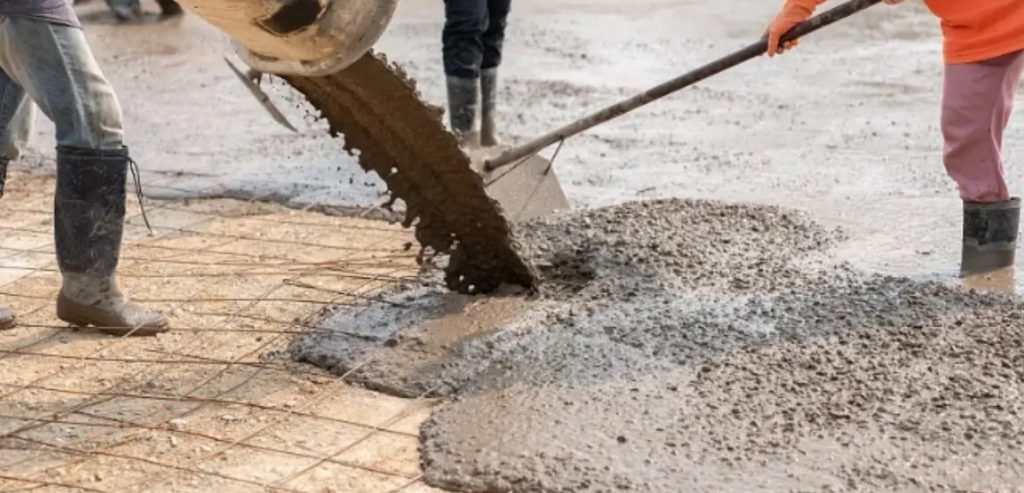
When Concrete Needs To Be Pumped Over Long Distances Or To Higher Elevations, A Water-Reducing Agent Can Help Increase Flowability And Reduce The Risk Of Blockages. The Reduced Water Content Helps Maintain The Necessary Consistency While Improving Pumpability.
③Waterproofing Works Or Structures Exposed To Harsh Environments.
Ireo mpiasan'ny fampihenana ny rano dia mety hahasoa amin'ny fampiharana izay ilaina ny fihenan'ny permeability, toy ny amin'ny tetik'asa tsy tantera-drano na ireo rafitra miharihary amin'ny tontolo masiaka. Amin'ny fampidinana ny votoatin'ny rano, ny beton dia afaka nanatsara ny fanoherana ny fidiran'ny hamandoana ary mety hampitombo ny faharetana.
④Ny toe-tontolo iainana izay mampandefitra ny fahamendrehan'ny simenitra
Amin'ny fampihenana ny votoatin'ny rano dia afaka manampy amin'ny fanatsarana ny faharetan'ny simenitra ireo mpiasan'ny fampihenana rano amin'ny alàlan'ny fampihenana ny olana mifandraika amin'ny fiketronana, ny triatra ary ny fanamainana. Tena manan-danja tokoa izany amin'ny rafitra miharihary amin'ny tsingerin'ny fandoroana mangatsiaka, ny simika mahery vaika, na ny toe-piainana mety hanimba ny fahamendrehan'ny simenitra.
⑤Rebar be olona na saron-tava
Water-Reducing Agents Enhance The Workability Of Concrete, Making It Easier To Mix, Place, And Finish. This Can Be Especially Useful In Situations Where Concrete Needs To Flow Around Congested Reinforcement Or Complex Formwork, Ensuring Proper Consolidation And Achieving Desired Surface Finishes.
2.In Which Buildings Are Concrete Admixtures Acceleratorsused?
Concrete Admixtures Known As Accelerators Are Commonly Used In Various Types Of Buildings And Construction Projects Where There Is A Need For Faster Setting And Early Strength Development.
Here Are Some Examples Of Buildings Where Concrete Accelerators May Be Used:
①High-Rise Buildings
In High-Rise Construction Projects, The Use Of Concrete Accelerators Can Help Speed Up The Production Process By Reducing The Time Required For Concrete To Set And Gain Strength. This Allows For Faster Construction Progress, Enabling Floors And Structural Elements To Be Built More Quickly.
②Commercial Buildings
Concrete Accelerators Are Often Employed In The Construction Of Commercial Buildings Such As Offices, Shopping Malls, And Hotels. These Projects Typically Have Strict Schedules, And The Use Of Accelerators Can Help Meet Deadlines By Reducing The Curing Time Of Concrete And Allowing For Earlier Occupancy Or Finishing Work.
③Infrastructure Projects
Ny Accelerators dia matetika ampiasaina amin'ny tetikasa fotodrafitrasa toy ny tetezana, tonelina ary lalambe. Ireo Tetikasa ireo matetika dia mitaky fampivoarana matanjaka betonika haingana mba hampihenana ny fahatapahan'ny fifamoivoizana sy hanafaingana ny fandaharam-potoanan'ny fanorenana.
④Fananganana toetr'andro mangatsiaka
Any amin'ny faritra misy toetr'andro mangatsiaka, ny fanamafisam-peo beton dia tena ilaina amin'ny tetikasa fanorenana mandritra ny vanim-potoana mangatsiaka kokoa. Ny Accelerators dia ahafahan'ny beton mametraka sy manamafy tsara na dia amin'ny mari-pana ambany aza, misoroka ny fahatarana ary miantoka fa ny asa fanorenana dia afaka mitohy amin'ny toetr'andro ratsy.
⑤ Fanamboarana sy fanavaozana
When Performing Repairs Or Renovations On Existing Structures, Concrete Accelerators Can Be Used To Speed Up The Curing Process. This Allows For Quicker Reopening Of Roads, Buildings, Or Other Facilities, Minimizing Disruption To Daily Operations.
3.In Which Buildings Are Concrete Admixtures Retardersused?
Concrete Admixtures Known As Retarders Are Commonly Used In Various Types Of Buildings And Construction Projects Where There Is A Need To Slow Down The Setting Time Of Concrete.
Here Are Some Examples Of Buildings Where Concrete Retarders May Be Used:
①Large-Scale Projects
Retarders Are Often Used In Large-Scale Construction Projects Such As Stadiums, Convention Centers, Or Industrial Facilities. These Projects Typically Require A Longer Working Time For Concrete To Allow For Proper Placement And Finishing Before It Begins To Set.
②Complex Architectural Designs
Buildings With Intricate Architectural Features Or Decorative Concrete Elements Often Require Retarders. The Extended Setting Time Provided By Retarders Allows For More Precise Placement And Detailing Of The Concrete, Ensuring That Complex Designs Are Achieved Accurately.
③Hot Weather Construction
In Regions With Hot Climates, Concrete Retarders Are Essential To Counteract The Accelerated Setting Caused By High Temperatures. They Allow For A More Manageable Working Time, Preventing Premature Drying And Ensuring Adequate Finishing Of The Concrete.
④Pumped Concrete Applications
When Concrete Needs To Be Pumped Over Long Distances Or To Higher Elevations, Retarders Can Be Added To Delay The Setting Time. This Provides Sufficient Time For The Concrete To Flow Smoothly Through The Pumping Equipment Without Blocking Or Segregating.
⑤Repair And Restoration Projects
Retarders Are Commonly Used In Repair And Restoration Work Where Existing Concrete Surfaces Need To Be Matched Or Repaired. By Extending The Setting Time Of The Repair Material, Retarders Facilitate Better Adhesion And Compatibility With The Surrounding Concrete.
4.In Which Buildings Is The Concrete Admixture Air-Entraining Agent Used?
The Concrete Admixture Known As An Air-Entraining Agent Is Commonly Used In Various Types Of Buildings And Construction Projects Where Improved Durability And Resistance To Freeze-Thaw Cycles Are Required.
Here Are Some Examples Of Buildings Where Air-Entraining Agents May Be Used:
①Residential Buildings
Air-Entraining Agents Are Often Used In The Construction Of Residential Buildings Such As Houses, Apartments, And Condominiums. By Entraining Tiny Air Bubbles In The Concrete, These Agents Improve The Concrete’s Ability To Withstand Freeze-Thaw Cycles, Which Is Especially Important In Colder Climates.
②Commercial Buildings
Commercial Buildings, Including Offices, Retail Spaces, And Warehouses, Often Utilize Air-Entraining Agents In Their Construction. This Helps To Increase The Durability And Longevity Of The Concrete, Reducing The Potential For Cracking Or Spalling Caused By Freeze-Thaw Damage.
③Bridges And Highways
Concrete Used In The Construction Of Bridges And Highways Is Subjected To Harsh Conditions, Including Exposure To Deicing Salts And Frequent Freeze-Thaw Cycles. Air-Entraining Agents Help To Reduce The Damage Caused By These Conditions And Improve The Overall Durability Of The Concrete Structures.
④Parking Structures
Parking Garages And Parking Lots Are Exposed To Significant Temperature Fluctuations, As Well As Moisture And Chemical Exposure From Vehicles. By Incorporating Air-Entraining Agents In The Concrete, These Structures Can Better Withstand The Stresses And Potential Damage Caused By Freezing And Thawing.
⑤Industrial Facilities
Buildings Such As Factories, Manufacturing Plants, Or Storage Facilities May Also Benefit From The Use Of Air-Entraining Agents In Their Concrete Construction. These Agents Help To Prevent Deterioration Due To Freeze-Thaw Cycles, Ensuring The Structural Integrity Of The Facility Over Time.
It Is Worth Noting That Air-Entraining Agents Are Usually Added To Concrete Mixtures In Cold Climates Or Areas Where Freeze-Thaw Cycles Are Very Likely To Occur. According To The Differences In The Environment Of Different Regions, Air-Entraining Agents Are Not Only Used In These Buildings, In Order To Ensure The Quality Of The Building , In Some Cold Countries Most Buildings May Use Air-Entraining Agents. However, Depending On The Specific Situation, It Is Recommended To Consult An Expert Or Manufacturer Before Use.
5.In Which Buildings Are Concrete Admixtures Corrosion Inhibitors Used?
Concrete Admixtures Known As Corrosion Inhibitors Are Commonly Used In Buildings And Structures That Are Subject To Corrosive Environments Or Exposure To Chemicals.
Here Are Some Examples Of Buildings Where Corrosion Inhibitors May Be Used:
①Coastal Structures
Buildings Located Near Coastal Areas, Such As Beachfront Properties, Piers, Docks, Or Sea Walls, Are Exposed To High Levels Of Saltwater And Airborne Salts. Corrosion Inhibitors Are Often Used In The Concrete Mixture For These Structures To Protect The Reinforcing Steel From Corrosion Caused By Saltwater Exposure.

②Industrial Facilities
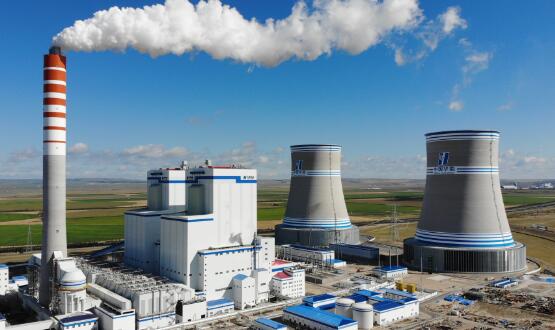
Industrial Facilities Have To Be Mentioned Again. Buildings And Structures In Industrial Environments, Such As Factories, Power Plants Or Wastewater Treatment Plants, Are Often Exposed To Harsh Chemical Environments. Corrosion Inhibitors Can Help Prevent Corrosion Of Rebar Caused By Chemicals In The Air Or Water, Extending The Life Of Buildings And Reducing Maintenance Costs.
③Parking Structures
Parking Garages And Parking Lots Are Particularly Susceptible To Corrosion Due To The Exposure To Deicing Salts, Oil, And Other Chemicals From Vehicles. Incorporating Corrosion Inhibitors In The Concrete Can Provide Protection Against The Corrosive Effects Of These Substances, Helping To Preserve The Structural Integrity Of The Parking Structure.

④Infrastructure Projects
Concrete Structures In Infrastructure Projects, Including Bridges, Tunnels, And Highways, Are Exposed To Various Corrosive Elements Such As Deicing Salts, Moisture, And Chemicals From Vehicle Emissions. Corrosion Inhibitors Can Be Added To The Concrete Mix To Mitigate The Effects Of Corrosion On The Reinforcement, Ensuring The Durability And Safety Of These Critical Structures.

⑤Water And Wastewater Treatment Facilities
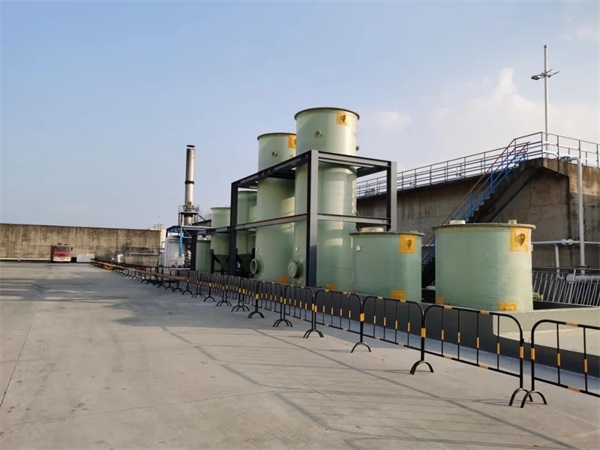
Buildings And Structures Involved In The Treatment Or Storage Of Water And Wastewater Are Prone To Corrosion Due To The High Presence Of Moisture And Chemicals. Corrosion Inhibitors Can Be Used In The Concrete To Protect The Reinforcement From Corrosive Substances And Extend The Service Life Of These Facilities.
The Above Are The Commonly Used Concrete Admixtures Most Of The Time, But It Is Definitely Not Limited To This. Many People Will Add Concrete Admixtures To Improve The Quality Of The Building. Specifically, Whether Your Building Can Use The Corresponding Admixture, Please Consult Your Side Admixture Experts, Or You Can Consult Us