

I. Основни принципи на Формулација за примеси
Формулација за примеси вклучува мешање на две или повеќе еднокомпонентни додатоци во прецизни стехиометриски и волуметриски соодноси за да се постигнат синергистички перформанси, економичност и приспособливост конкретно на локацијата. Дизајнот на формулацијата мора строго да ги следи овие основни принципи:
Оптимизација на компатибилност: Хемиските структури, јонските состојби и pH вредностите на сите компоненти мора строго да се усогласат за да се спречи раздвојување на фази, флокулација, врнежи или деградација на перформансите. Внимание: анјонските и катјонските сурфактанти никогаш не смеат да се мешаат неселективно.
Синергетски перформанси: Искористете ги поединечните компоненти за да ги надоместите недостатоците од една компонента. На пример, спарувањето на средствата за намалување на водата со забавувачите на сетот го ублажува губењето на падот и предвременото зацврстување; комбинирањето на редукторите на вода со средствата за вдишување на воздухот ја подобрува обработливоста; интегрирањето на средствата за депенење ја контролира целокупната содржина на воздух.
Инженеринг & Работливост Приспособливост: Формулациите мора да се приспособат врз основа на оценките за цврстина на компресија на бетонот, температурите на стврднување на околината, методите на поставување, задржувањето на целниот пад и дополнителните цементни материјали (SCM, на пр., портланд цемент, летечка пепел, прашок од згура). Високите температурни услови бараат подобрени механизми за забавување и задржување на падот, додека ниските температури бараат агенти за забрзување за ран развој на јачината.
Физичко-хемиска стабилност: Конечниот течен/прав производ мора да остане хомоген при складирање на околината и на ниски температури без одвојување на фази, кристализација или значително распаѓање на перформансите во текот на подолг рок на траење.
Ефикасност на трошоците: Оптимизирајте ги суровините со висока цена и ниска цена за да ги исполните сите метрики за технички перформанси, додека одржувате строга контрола на трошоците.
Регулаторна & Усогласеност со безбедноста: Сите хемиски компоненти мора да бидат нетоксични и некорозивни. Вкупната содржина на хлоридни јони и еквивалентна содржина на алкали ($Na_2O + 0,658 K_2O$) мора строго да се усогласат со националните стандардни ограничувања за да се спречи корозија на челичната арматура и реакции на алкално-силика (ASR).
II. Стандардна формулација компоненти и функционални улоги
Конституентите на формулацијата се класифицирани во три основни категории врз основа на нивното функционално однесување во рамките на цементната матрица:
1. Примарни функционални компоненти (Основна матрица)
Овие компоненти ја формираат основната изведба на додатокот:
Намалувачи на вода со висок дострел (HRWR) / Суперпластификатори:
Серија поликарбоксилат етер (PCE)., серии базирани на нафталин, серии базирани на меламин и серии Aliphatic.
Примарен механизам: Значително намалете го односот вода-врзувач ($ w/b$), зголемувајќи ја јакоста на притисок, својствата на проток на течност и падот на бетонот. Поликарбоксилатните формулации со високи перформанси ја претставуваат основната матрица на индустриски стандард.
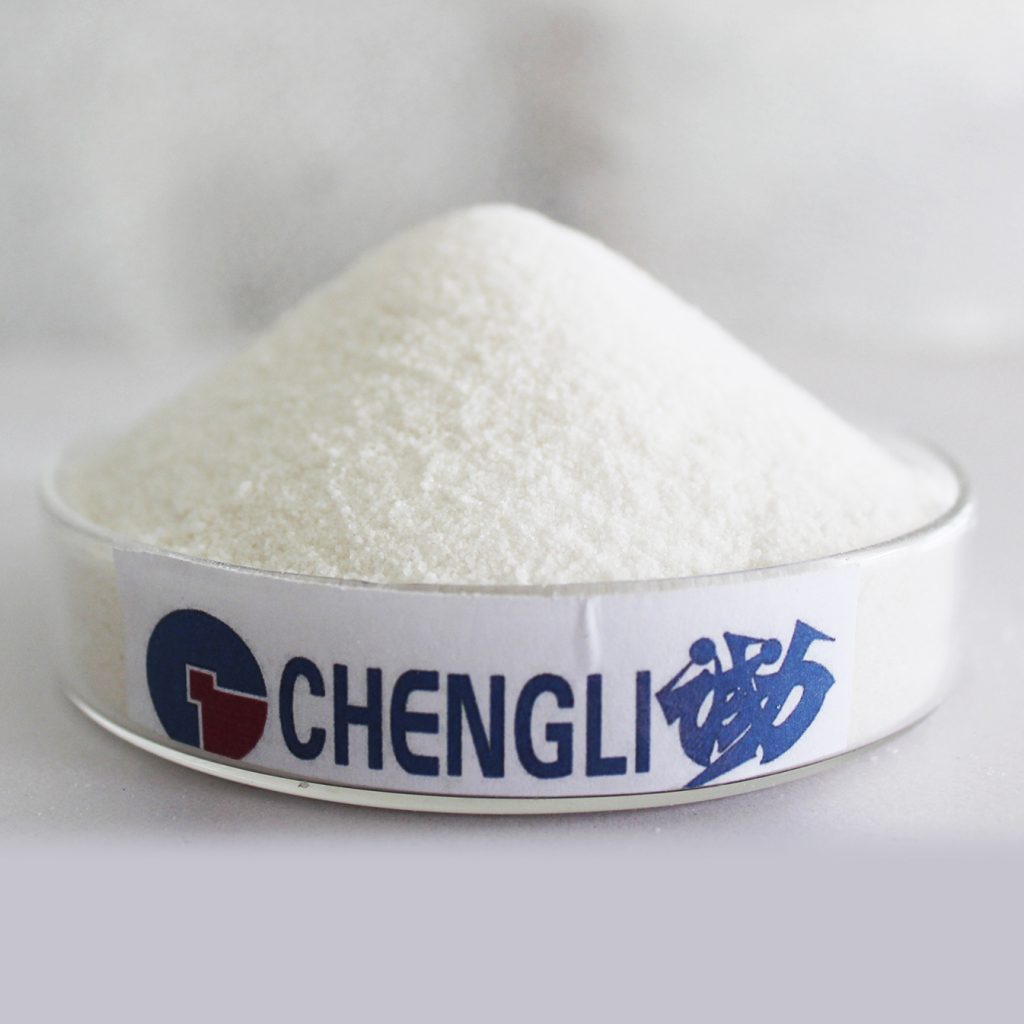
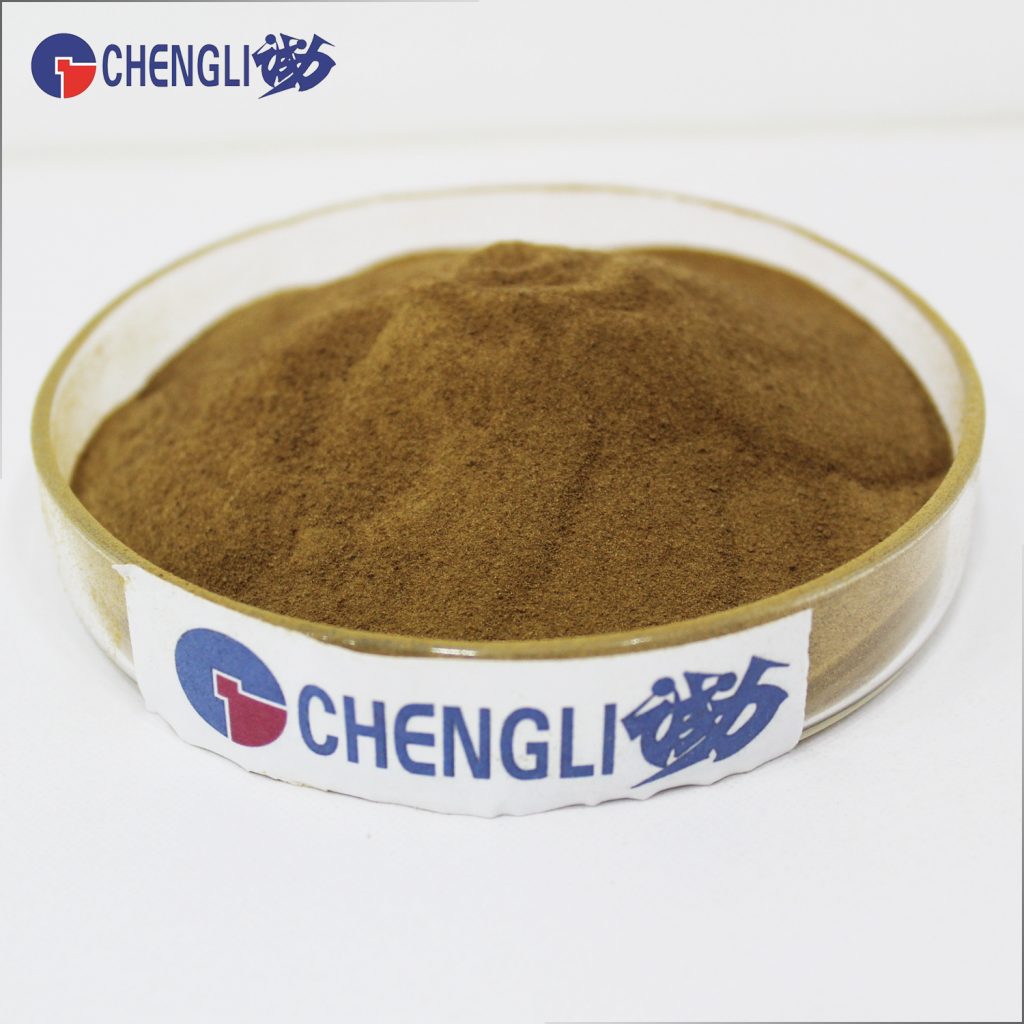
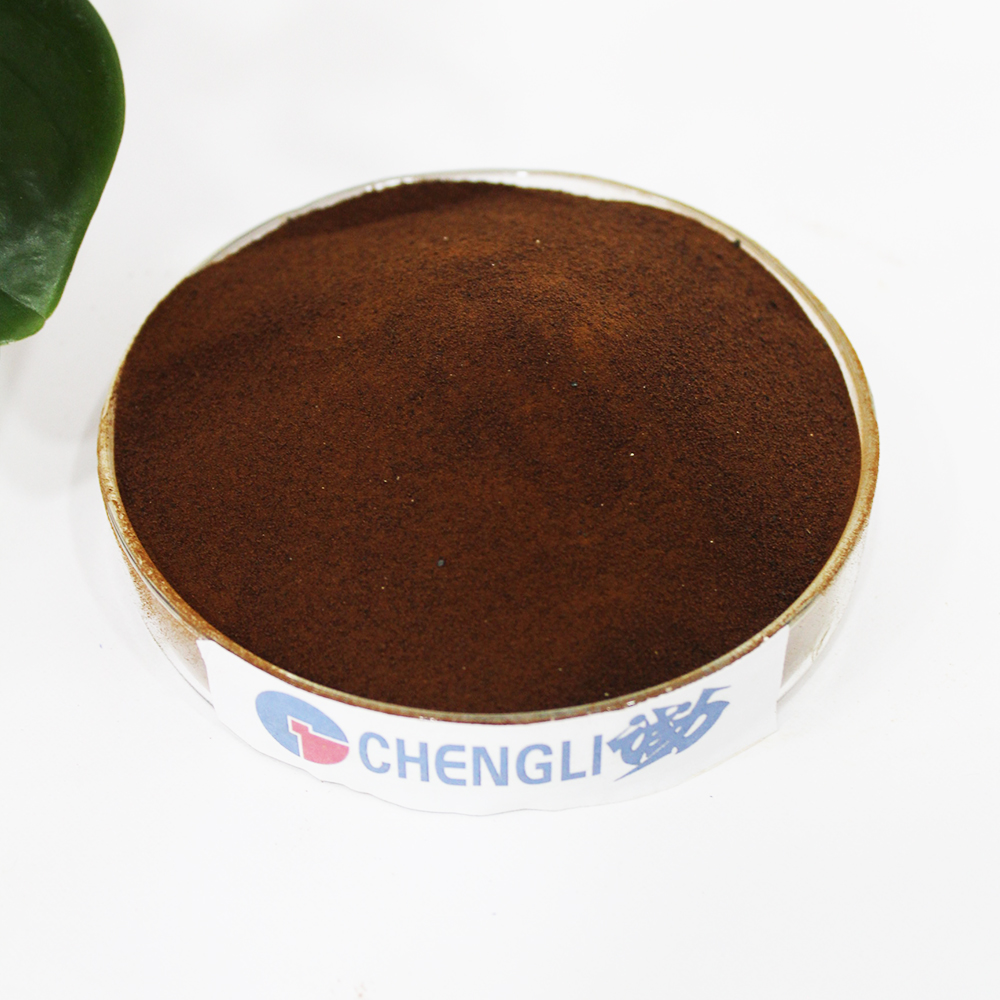
Нашето портфолио на производи:
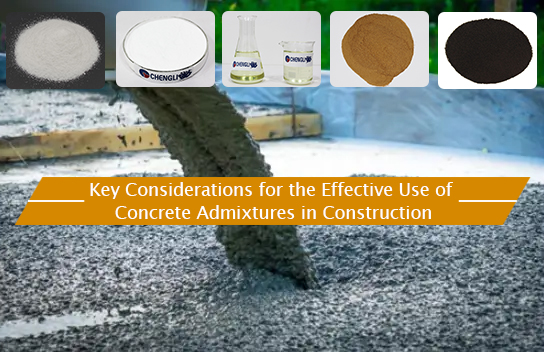
Поликарбоксилат суперпластификатор во прав
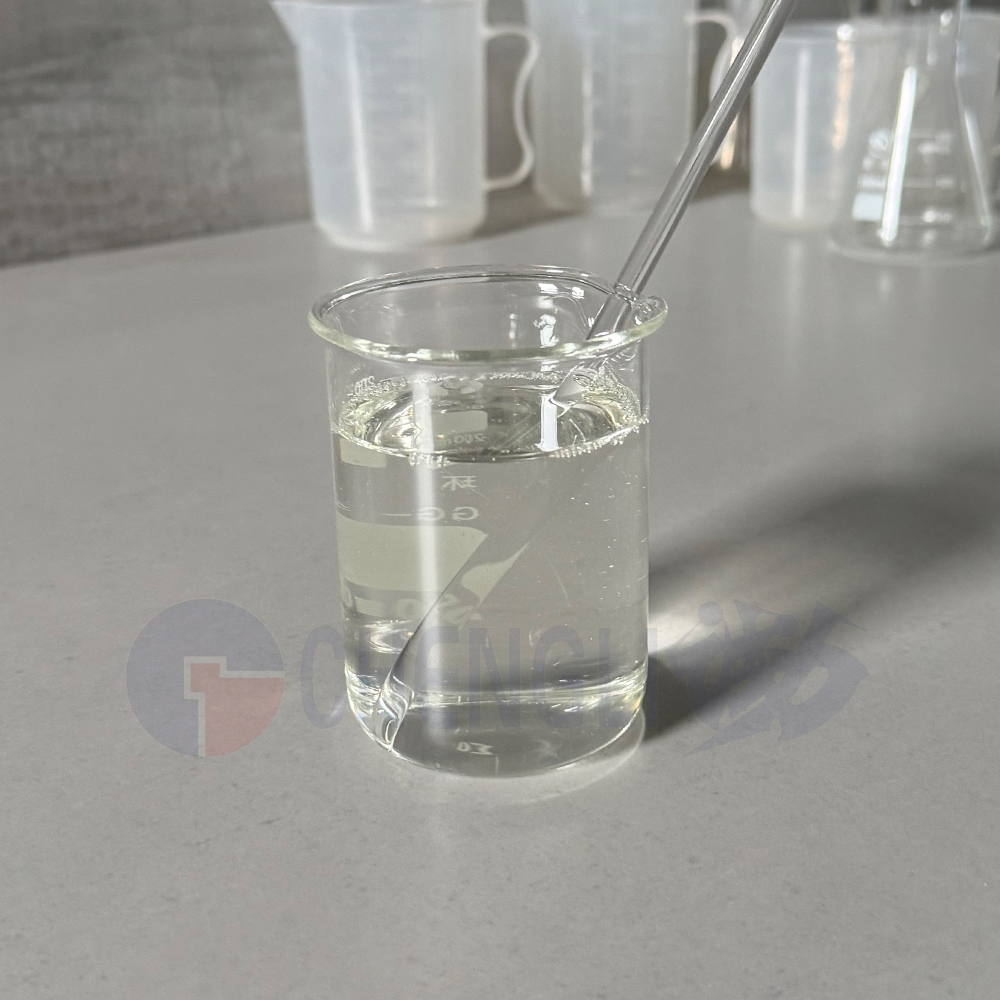
Течност за суперпластификатор на поликарбоксилат
Суперпластификатор на база на нафталан
Стандардни намалувачи на вода:
Лигносулфонат / Лигносулфонат серија. Нудејќи умерено намалување на водата, овие служат како секундарни средства за намалување на водата, внесување на воздухот и забавување, широко користени за намалување на вкупните трошоци за формулација во стандардните бетонски мешавини.
2. Помошни функционални компоненти (целирано подобрување на перформансите)
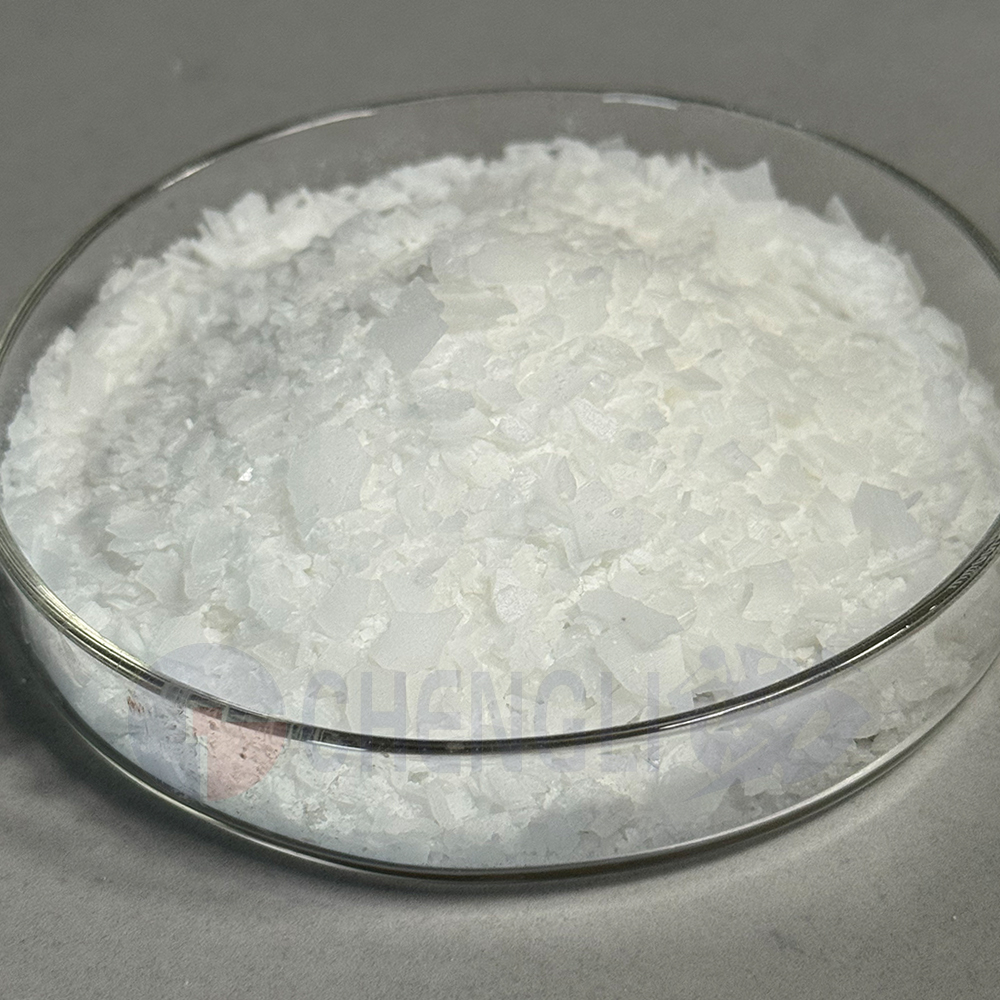
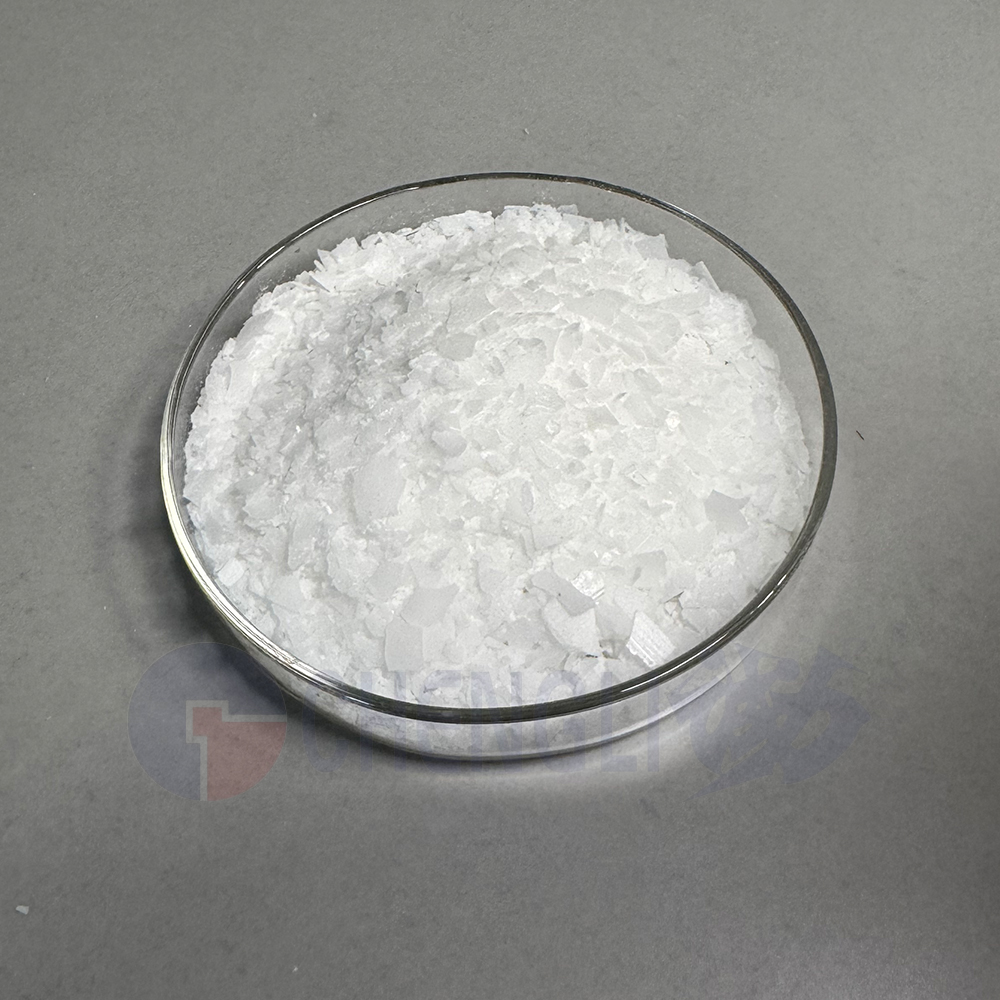
Компоненти што го забавуваат поставувањето: Ретардирачки агент – Натриум глуконат, сахароза, натриум цитрат, неоргански фосфати и натриум тартарат. Тие ја инхибираат раната кинетика на хидратација на фазите $C_3S$ и $C_3A$, ублажувајќи ја загубата на падот, термичкото пукање и формирањето на ладни зглобови за време на бетонирање на топло време.
Компоненти со рана јачина / забрзување: Калциум нитрит, калциум формат, триетаноламин (ТЕА) и неоргански нитрати. Тие ја забрзуваат кинетиката на хидратација на цементот, зголемувајќи ја механичката сила во рана фаза при услови на ниска амбиентална температура или брзи проекти за поправка на структурата.
Компоненти за внесување воздух: Колофонски сапуни и алкил сулфонати. Тие генерираат стабилни воздушни меури со микро големина во пастата за да ја подобрат издржливоста на замрзнување-одмрзнување, непропустливоста и реолошката обработливост додека го минимизираат крварењето.
Депенење & Компоненти за прилагодување на воздухот: Депена со високи перформанси (органосиликони, деривати на полиетер) и специјализирани Агент за дисперзија системи. Тие ги уриваат дестабилизирачките макро-празнини, го подесуваат воздушниот прибор, спречуваат деградација на јачината и ги елиминираат површинските бугули или дефектите на саќето.
3. Прилагодување на матрицата & Стабилизирачки компоненти
Компоненти кои го задржуваат падот: Синтетизира преку специјализирани Поликарбоксилат етер мономер прекурсори, PCE полимерите со бавно ослободување постепено се хидролизираат во алкални средини за да обезбедат постојана стерична пречка и да ја одржуваат обработливоста во подолги периоди.
Модификатори на вискозност & Средства против сегрегација: Полимерите растворливи во вода и дериватите на бентонит го спречуваат динамичното крварење, раздвојувањето на фазите и населувањето на составните делови, обезбедувајќи хомогеност на системот.
pH пуфери & Регулатори: Натриум хидроксид, лимонска киселина и воден амонијак ја прилагодуваат pH вредноста на системот за да ја оптимизираат компатибилноста на компонентите и хемиската стабилност во алкалните цементни медиуми.
Биоциди & Конзерванси: Дериватите на изотиазолинон спречуваат биолошка деградација, појава на мувла и непријатен мирис во органските полисахаридни матрици, со што се продолжува рокот на траење на производот.
III. Клучни размислувања & Технички упатства
1. Дизајн на формулација & Лабораториско испитување
Скрининг за хемиска компатибилност: Изведете пробни мешавини на суровини во мали размери за да ја следите заматеноста, врнежите, одвојувањето на фазите или промената на бојата. Продолжете со тестовите за ширење на цементната паста и испитувањата за серии на бетон за да го потврдите отсуството на негативни хемиски интеракции.
Тестирање на суровини специфични за матрицата: Минерологијата на цементот ($C_3A, C_3S$, содржина на алкали) и дополнителните цементни материјали значително се разликуваат. Формулациите мора да бидат потврдени со користење на цементни материјали специфични за работното место, наместо со генерички стандардни рецепти.
Испитувања за градиент на дозирање: Воспоставете строги криви на дозирање-одговор. Забавувачите на прекумерно дозирање може да предизвикаат продолжено ненаместување; прекумерните агенси со рана јачина предизвикуваат термичко пукање; прекумерното внесување на воздух сериозно ја загрозува силата на притисок.
2. Мешање & Процес на производство
Протокол за нарачка за дозирање: Стандардна течна секвенца: Вода $rightarrow$ pH пуфери $rightarrow$ Основен суперпластификатор Течност $rightarrow$ Течни помошни примеси (забавувачи/задржувачи) $rightarrow$ Внесување воздух / средства за депенење $rightarrow$ Вискозитет & Конзерванси. Цврстите состојки мора целосно да се растворат во вода пред да се дозираат; Мешањето на сув прав во течни медиуми е строго забрането за да се спречи агломерација.
Агитација & Хомогенизација: Одржувајте контролирани стапки на смолкнување и времетраење на мешањето за да се обезбеди целосна хомогенизација и да се спречи локализирана прекумерна концентрација.
Термичка контрола: При ниски температури на околината, може да бидат потребни загреани резервоари за растворање за да се спречи кристализација. Мора да се избегнуваат високи температури за да се спречи термичка деградација на органските сурфактанти.
3. Контрола на квалитет & Управување со складирање
Околина за складирање: Да се чува во затворени садови заштитени од директна УВ изложеност и услови на замрзнување. Спроведување на топлинска изолација во ладна клима.
Мониторинг за обезбедување квалитет: Редовно тестирајте ги складираните серии за специфична тежина, pH, стапка на намалување на водата и задржување на падот. Повторно приспособете ги несоодветните серии пред испраќањето.
Изолација на серија: Одржувајте строга поделба помеѓу различни серии на производи и специјализирани формулации за да спречите вкрстена контаминација.
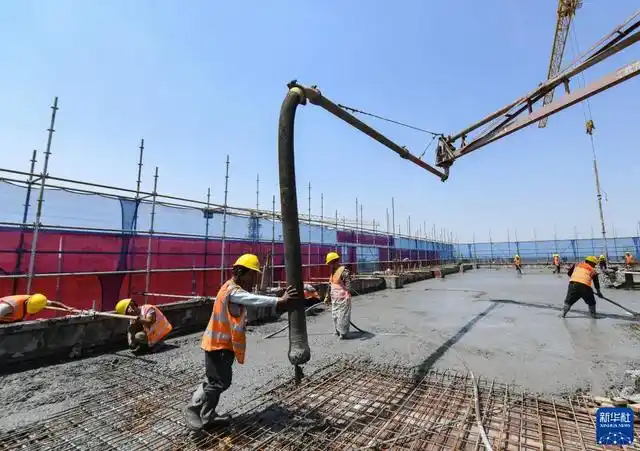
4. Опасности од апликација на работно место
Строга забрана за мешање на секундарни работни места: Работниците на терен никогаш не смеат да додаваат неовластени хемиски адитиви во претходно формулирани течни примеси. Неконтролираното секундарно мешање често доведува до поставување на блицот, сериозно губење на силата или структурен дефект.
Хлорид & Ограничувања на алкали: Кај армиран и преднапрегнат бетон, мора да се воведат строги ограничувања на забрзувачите на база на хлорид за да се спречи пукање од корозија при стрес. Следете го вкупниот придонес на алкали за ублажување на реакциите на алкално-силика (ASR).
Адитивни кумулативни ефекти: Комбинирањето на повеќе забавувачи или сурфактанти може експоненцијално да го засили времето на зацврстување или содржината на внесен воздух. Вкупните граници на дозирање мора ригорозно да се пресметаат.
Специјализирани формулации за апликација: Подводниот бетон против миење, плотен бетон, самоконсолидирачки бетон (SCC) и бетон со висока издржливост замрзнување-одмрзнување бараат инженерски, наменски изработени формулации. Генеричките стандардни формулации не смеат да се заменуваат.
5. Здравје, безбедност и животна средина (HSE)
За време на хемиското ракување мора да се носи лична заштитна опрема (ППЕ) поради корозивната природа на специфичните кисели или алкални адитиви.
Хемиските перење и течниот отпад мора да поминат со неутрализатори и системи за третман; директното испуштање во животната средина е строго забрането.
Суровините од типот на храна (на пример, натриум глуконат) мора да се складираат и да се ракуваат според индустриски хемиски протоколи за да се избегне вкрстена контаминација.
Прилагодени хемиски решенија & Производствени способности
На Бинжу Ченгли градежни материјали Co., Ltd., работиме како интегриран производител на хемикалии за бетон со високи перформанси и функционални мономери.
Без разлика дали вашиот проект бара специфични профили за задржување на падот за масовно истурање на висока температура, развој на ултра висока јачина или специјализирани барања за издржливост, нашиот технички тим може да изработи приспособени формулации за адитиви приспособени токму на вашите суровини на работното место и условите на животната средина.
Целосно поддржуваме OEM и ODM услуги, нудејќи прилагодено мешање на течности, синтеза на прав, пакување со приватна етикета и техничка поддршка на терен за глобалните клиенти.