
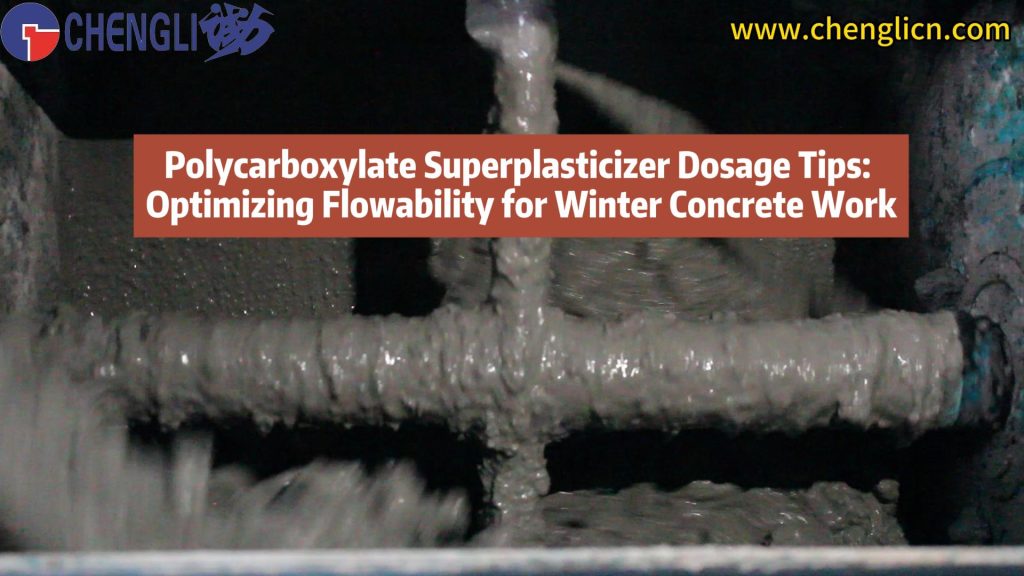
Vinteren er tøff på betongkonstruksjon - spesielt når du prøver å holde blandingen brukbar. Lave temperaturer bremser sementhydreringen, dreper flytbarheten og kan enten forsinke jobber eller skade kvaliteten. Polykarboksylat supermyknere fiks dette, men bare hvis du doserer dem riktig. La oss bryte ned enkle, praktiske tips for å justere Polykarboksylat supermykner beløp for pålitelige vinterbetongresultater.
- Først, forstå hvorfor vinteren ødelegger flyteevnen for betong
Kaldt vær roter med betong på tre hovedmåter. Det gjør sementhydratet langsommere, noe som betyr at nedgangen blekner raskere over timer. Den tykner også fersk betong raskere, så plassering og etterbehandling blir vanskeligere. Selv et lite temperaturfall – under 10 °C (50 °F) – kan redusere flyteevnen med 20 % eller mer. Polykarboksylat supermyknere hjelp ved å spre ut sementpartikler, men feil doser gjør ting verre: for lite og flytbarheten dør; for mye, og blandingen skiller seg. - Hva som faktisk endrer hvor mye polykarboksylat superplasticizer du trenger om vinteren
Det er ingen one-size-fits-alle Polykarboksylat supermykner dose for vinterblandinger. Du må justere den basert på fire viktige ting:
Sementtype: Portland sement trenger ikke så mye Polykarboksylat supermykner som blandede - som de blandet med flyveaske. Blandede sementer reagerer langsommere i kulde, så du trenger kanskje 0,1–0,2 % mer Polykarboksylat supermykner.
Aggregattemperatur: Frosne eller kalde tilslag (under 5°C/41°F) suger opp varme fra blandingen. Hvis tilslaget ditt er varmt—10–15°C (50–59°F)—Polykarboksylat supermyknere fungerer bedre, slik at du kan bruke mindre.
Vanntemperatur: Fortsett å blande vann mellom 15–25 °C (59–77 °F). Kaldt vann (under 10°C/50°F) gjør Polykarboksylat supermyknere mindre effektiv, så du trenger 0,1–0,3 % mer.
Betongstyrke: Høyfaste blandinger (C50+) trenger mer Polykarboksylat supermykner—0,6–0,8 %—for å balansere styrke og flyt. Blandinger med lav styrke (C30–C40) klarer seg fint med 0,3–0,5 %.
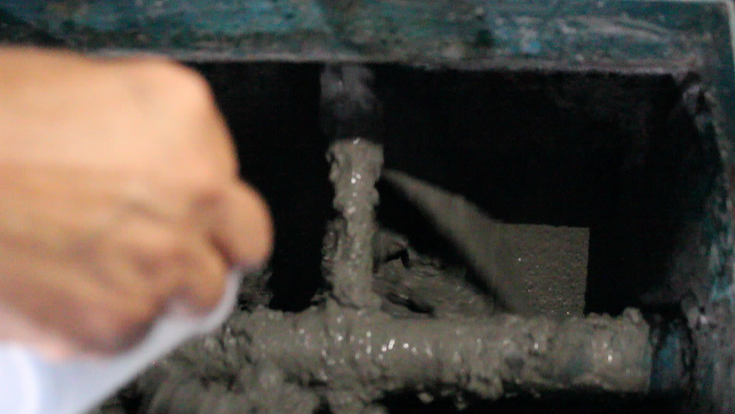
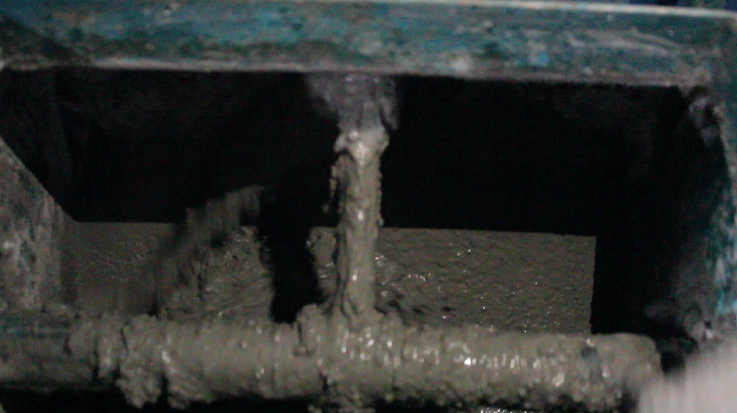
- Trinn-for-trinn: Hvordan få Polykarboksylat supermykner Dosering riktig denne vinteren
Her er hvordan du spikrer til høyre Polykarboksylat supermykner beløp, trinn for trinn:
Start med produsentens basisdose – vanligvis 0,2–0,5 % av sementens vekt.
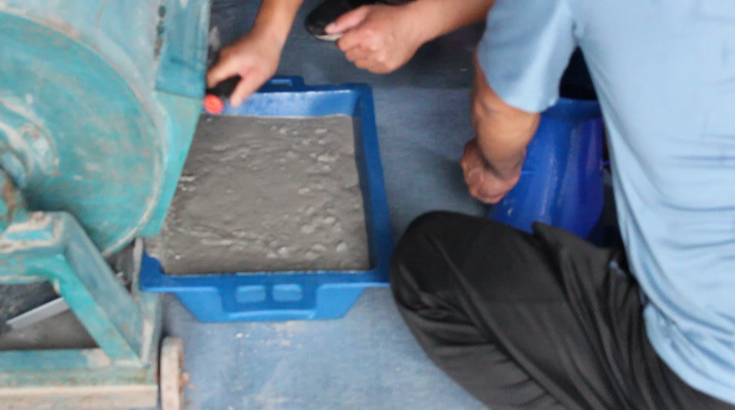
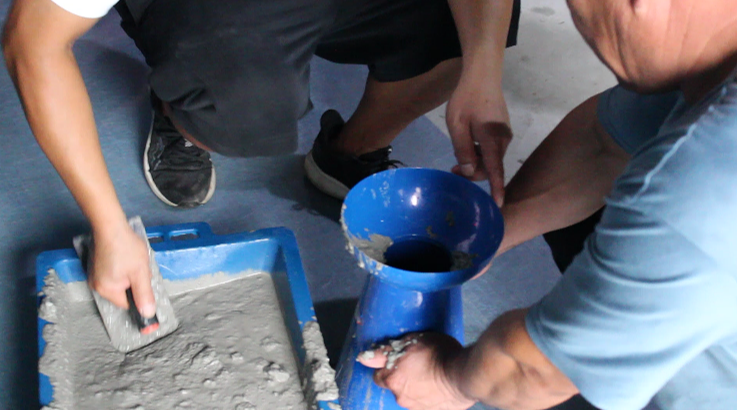
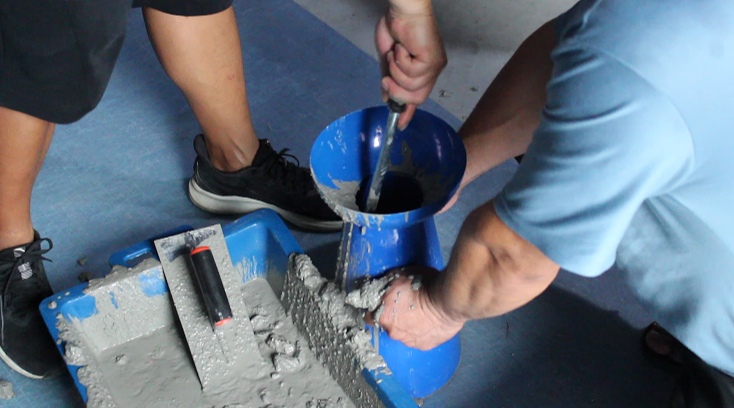
Bland en liten batch (50 til 100 liter) og test den ved arbeidsstedets virkelige temperatur.
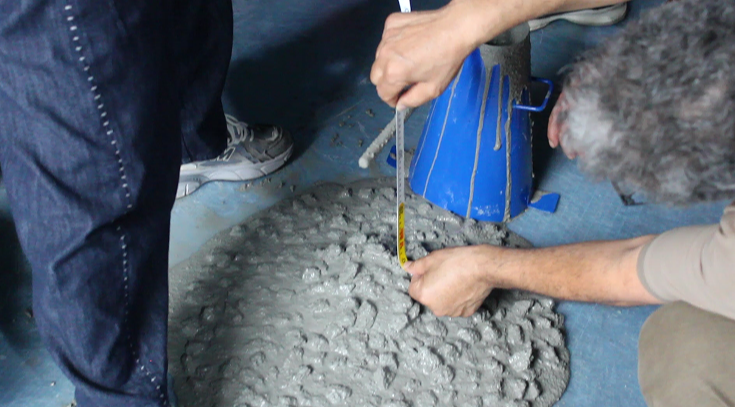
Sjekk nedgangen etter 5 minutter – sikte på 180–220 mm for de fleste vinterjobber.
Hvis nedgangen er for lav, legg til Polykarboksylat supermykner i trinn på 0,05 % – aldri mer enn 0,1 % på en gang.
Hvis blandingen segregerer (vannbassenger eller aggregater setter seg), kutt dosen med 0,05 % og test på nytt.
For plasseringer over natten, legg til 0,1 % ekstra Polykarboksylat supermykner for å forhindre at nedgangen forsvinner i kalde netter. - Testing på stedet: Ikke hopp over det – det sparer hodepine
Du kan ikke hoppe over testingen hvis du vil Polykarboksylat supermyknere å jobbe om vinteren. Her er to enkle måter å gjøre det på:
Slumptest: Mål slump rett etter blanding, så igjen 30 minutter senere. Vinterblandinger bør holde minst 70 % av den første nedgangen.
Herdetidstest: Kald betong stivner langsommere, men Polykarboksylat supermyknere bør ikke utsette det med mer enn 2 timer. Bruk et Vicat-verktøy for å sjekke innledende og siste innstilte tider.
Juster dosene hvis testene går feil. For eksempel, hvis nedgangen faller under 150 mm på 30 minutter, bump Polykarboksylat supermykner med 0,05–0,1 %.
- Vanlige feil å unngå med vinteren Polykarboksylat supermykner Dosering
Mange entreprenører roter til Polykarboksylat supermykner dosering om vinteren, og det utsletter alle fordelene. Her er hva du ikke skal gjøre:
Heller mer Polykarboksylat supermykner for å fikse nedfallstap fra kulde: For mye polykarboksylat superplasticizer forårsaker blødning og reduserer betongstyrken med 10–15 %.
Ignorer endringer i råvarer: Hvis sementleverandøren din bytter batch, test på nytt Polykarboksylat supermykner dose – selv små sementforandringer forsvinner.
Bruk av sommerdoser om vinteren: Polykarboksylat supermyknere arbeid raskere i sommervarmen; vinteren trenger 0,1–0,3 % mer for å henge med.
Hopp over forhåndsoppvarmingsmaterialer: Varm opp sement, tilslag og vann først – dette betyr at du ikke trenger ekstra Polykarboksylat supermykner.
Siste tanker: Balanse er nøkkelen for vintersuksess
Polykarboksylat supermyknere er game-changers for vinterbetongarbeid, men de fungerer bare hvis du doserer dem riktig. Ved å vite hva vinteren gjør med betong, justere doser for materialene og temperaturene dine, og teste ofte, vil du holde flytbarheten jevn og jobbene på rett spor. Husk: små, langsomme dosejusteringer fungerer bedre enn store hopp. Gjør dette, og vinterbetongen din vil nå styrke- og bearbeidbarhetsmål – selv når det er iskaldt.
Vårt profesjonelle tekniske team er tilgjengelig 24/7 for å løse eventuelle problemer du kan støte på mens du bruker produktene våre.Vi ser frem til ditt samarbeid!