
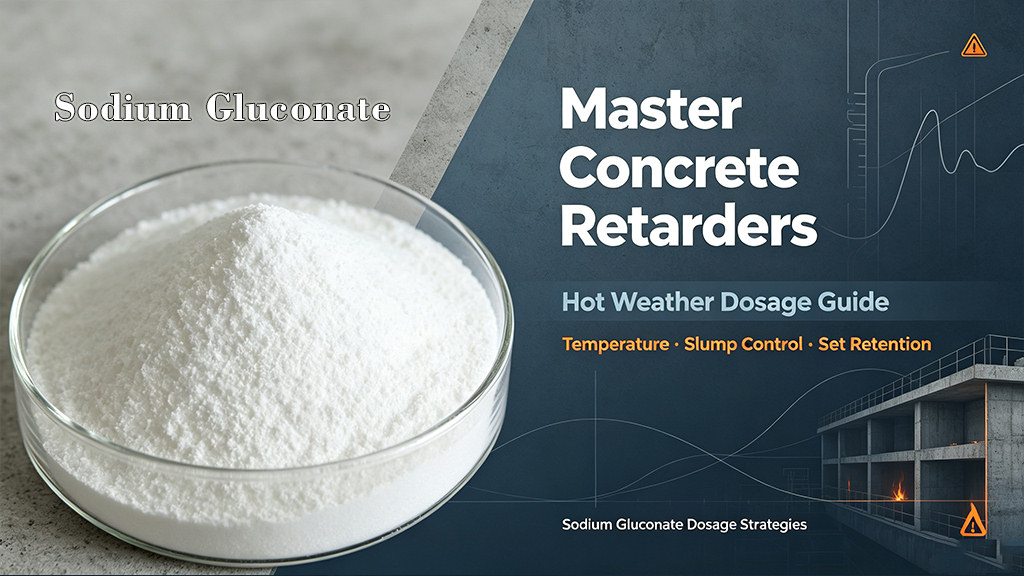
Hot weather creates severe challenges for concrete placement. High temperatures accelerate setting times, reduce slump, and complicate transport. Glukonian sodu provides an effective, low-cost solution for set retardation and slump retention.
This comprehensive guide details precise sodium gluconate dosage strategies across various temperature ranges and project conditions.
What Is Sodium Gluconate in Concrete?
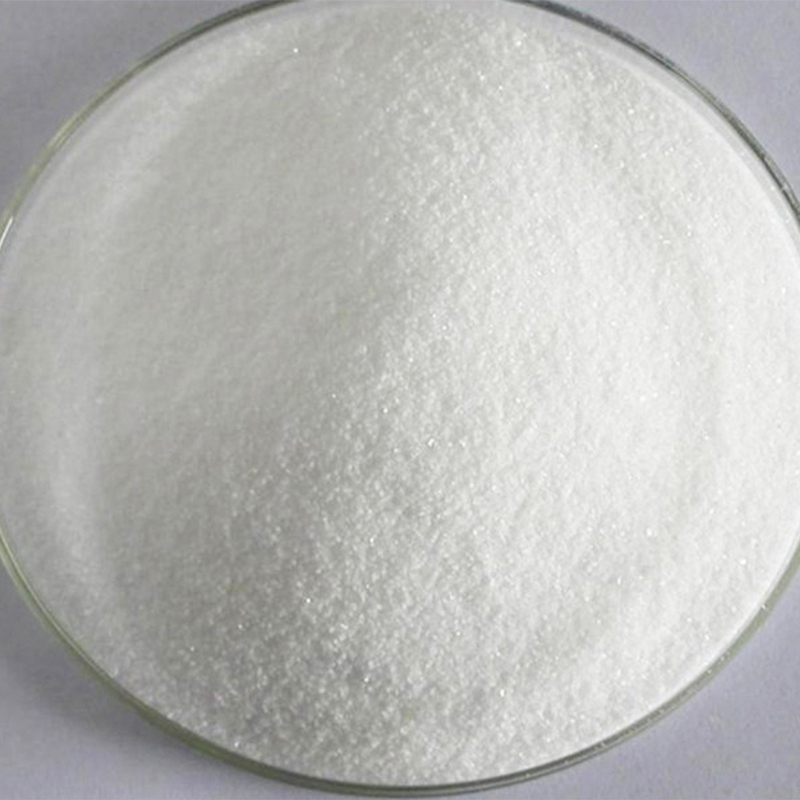
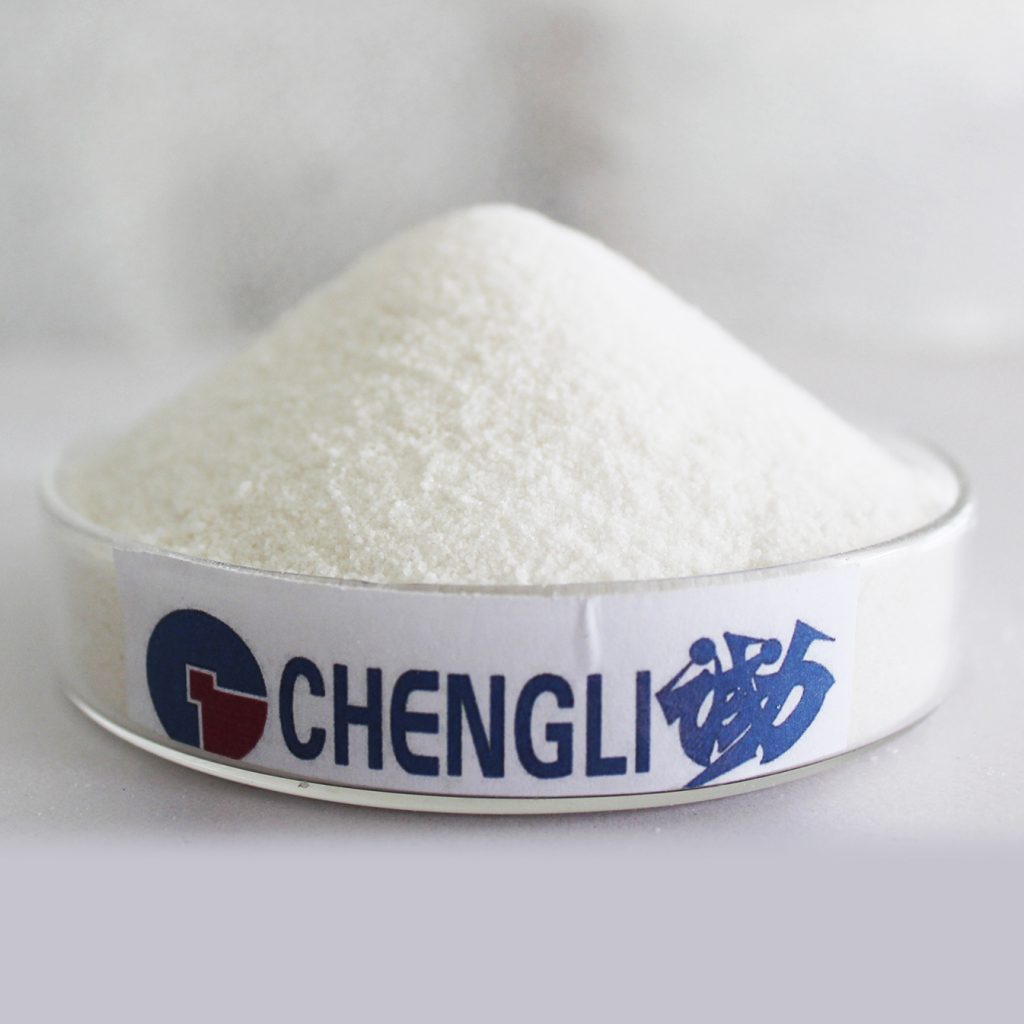
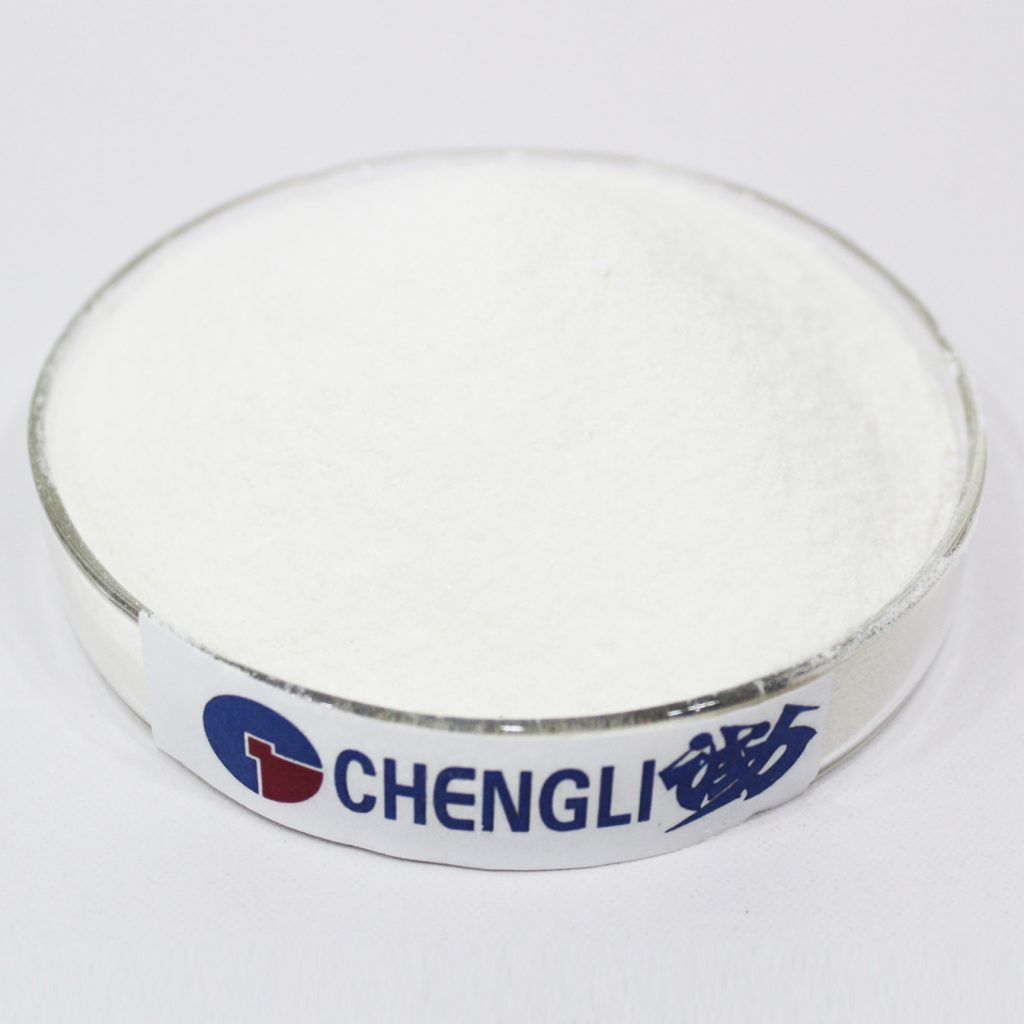
Sodium gluconate serves as a highly efficient set retarder and water reducer. It works by adsorbing onto hydrating cement grains, which temporarily delays the hydration process.
- Main Benefits: Prolongs setting time, improves workability, and enhances ultimate compressive strength.
- Cost Efficiency: Delivers superior performance at remarkably low dosage rates compared to other retarding agents.
- Environmental Impact: Biodegrades quickly and offers a non-toxic profile for safe job site handling.
Temperature-Based Dosage Guidelines
Temperature strongly influences cement hydration speeds. Adjusting dosage according to ambient heat ensures optimal slump control and predictable setting behavior.
Below 15°C (59°F): Cold Weather Protocols
Hydration naturally slows down in cool weather. Heavy set retardation can lead to severe setting delays.
- Recommended Dosage: Use minimal sodium gluconate or eliminate it entirely.
- Admixture Selection: Switch to early-strength admixtures to accelerate setting times.
- Key Focus: Protect fresh concrete against freezing and maintain early strength development.
15°C to 25°C (59°F–77°F): Moderate Transport Demands
Moderate temperatures offer ideal placing conditions for short trips. However, long-haul deliveries still require set control.
- Recommended Dosage: Apply 0.08% to 0.12% by weight of cementitious materials.
- Ideal Scenario: Use this range for transit times exceeding one hour.
- Performance: Maintains constant slump without compromising initial set times.
25°C to 32°C (77°F–89.6°F): Standard Summer Placement
Daily temperatures reaching 25°C mark the critical threshold to start adding retarders regularly.
- Recommended Dosage: Use 0.12% to 0.20% by total cementitious weight.
- Primary Application: Standard baseline for pumped C30 grade structural concrete.
- Benefits: Prevents cold joints and reduces pumping pressure in high-heat conditions.
Above 32°C (89.6°F): Extreme Heat and Long Retention
Extreme heat rapidly evaporates water and causes rapid slump loss. High dosages become essential to prevent premature hardening.
- Recommended Dosage: Increase dosage to 0.20%–0.28%.
- Synergistic Blend: Mix up to 20% sucrose (sugar) into the retarder blend for superior slump retention.
- Field Outcome: Extends workability windows during heatwaves and prevents flash setting in transit.
Key Dosage Quick-Reference
| Temperature Range | Target Dosage (% of Cementitious Weight) | Primary Application / Strategy |
|---|---|---|
| < 15°C | 0.00% – Minimal | Pick early-strength admixtures instead. |
| 15°C – 25°C | 0.08% – 0.12% | Extended transit times (> 1 hour). |
| 25°C – 32°C | 0.12% – 0.20% | Standard pumped C30 concrete mixes. |
| > 32°C | 0.20% – 0.28% | Blend with max 20% sugar for extreme heat. |
Crucial Factors for Precise Dosage Adjustments
Standard dosage tables provide a strong starting point. Field conditions, however, require fine-tuning based on mix design variables.
Transit Time and Distance
Longer haul times expose concrete to continuous agitation and heat buildup. Increase the dosage incrementally for every extra thirty minutes of travel.
Supplementary Cementitious Materials (SCMs)
Fly ash and granulated blast-furnace slag naturally retard cement hydration.
- High SCM Content: Reduce sodium gluconate slightly when fly ash content exceeds 25%.
- Pure OPC Mixes: Increase retarder dosage for 100% Ordinary Portland Cement formulations.
Concrete Strength Grade
High-grade concrete contains higher cementitious content and generates intense early hydration heat. Higher-strength mixes always require extra retarder capacity to control thermal rises.
Avoiding Over-Dosage Hazards
While sodium gluconate offers immense benefits, excessive addition creates serious field issues. Over-dosing causes extended setting delays, sometimes lasting several days.
- Formwork Delays: Extended plastic states stall formwork stripping schedules and raise labor costs.
- Surface Defects: Prolonged bleed times can create weak, dusty surface layers.
- Prevention: Always perform field trial mixes before changing dosage rates on main pours.
Summary for Site Engineers
Reliable concrete delivery demands proactive admixture control. Daily temperature tracking helps crews anticipate slump loss before batching begins.
Sodium gluconate provides exceptional slump stability and protects structural concrete against hot-weather failures. Maintain precise dosing control to guarantee safe, smooth placements every time.