
Abstraktné
Polykarboxylátový superplastifikátor serves as the 3rd-generation high-performance betónová prímes. Manufacturers blend it with retarders, air entrainers, defoamers and viscosity modifiers. High summer temperatures trigger spoilage when sodium gluconate is present in the formula. This article introduces practical mould control strategies for liquid superplasticizer products.
1. Moulding Symptoms & Root Causes
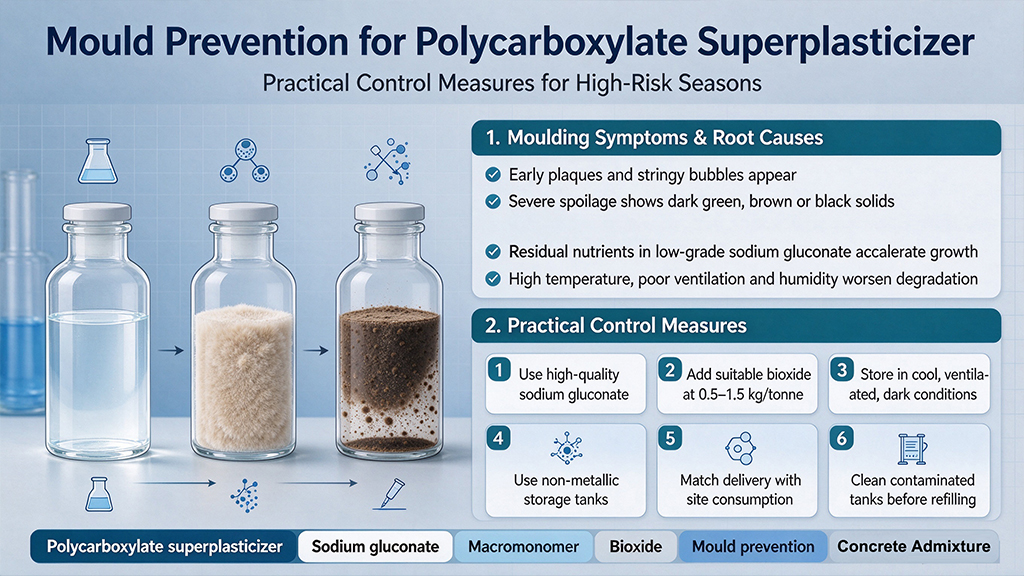
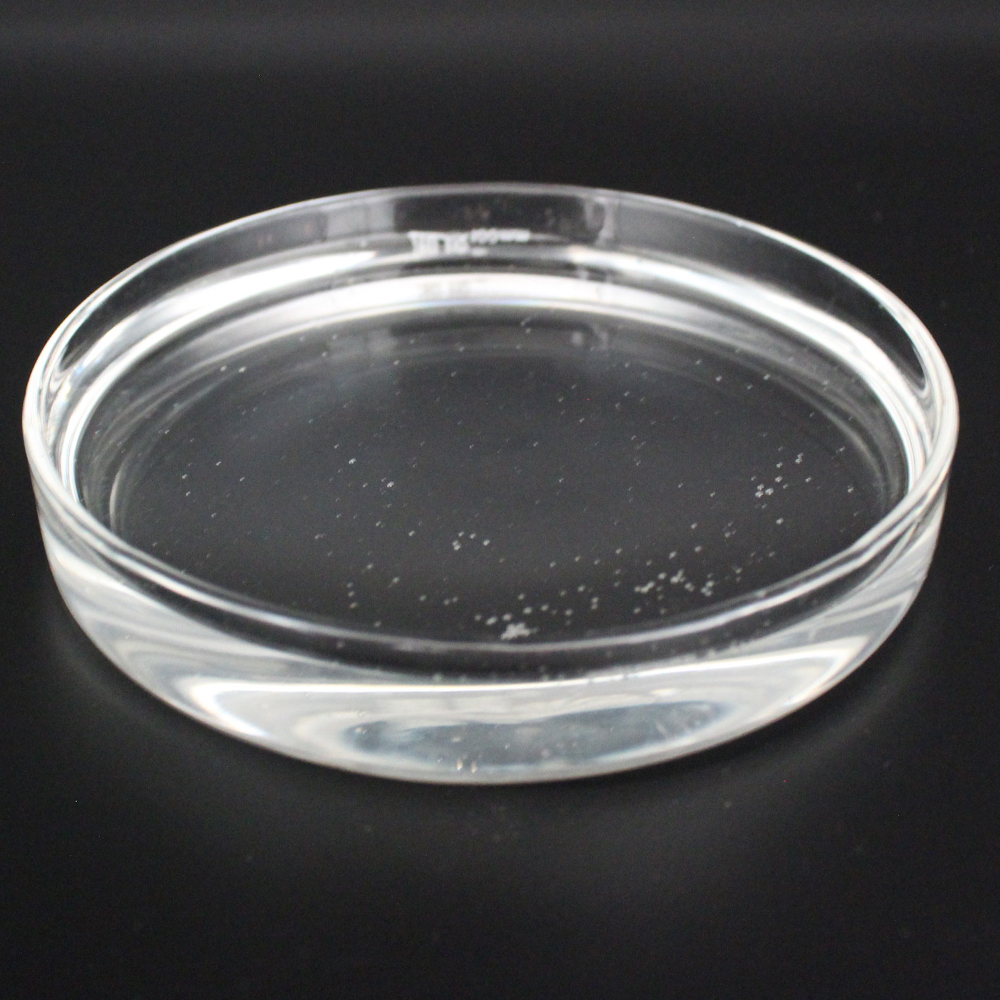
Visual changes mark early-stage spoilage of polykarboxylátový superplastifikátor. Pale flocculent plaques first float on the liquid surface. Isolated island-like deposits and stringy bubbles appear later. Severe contamination brings dark green, brown or black suspended solids. Rotten acidic odour releases from the deteriorated solution. Microbial mould growth causes this series of quality failures.
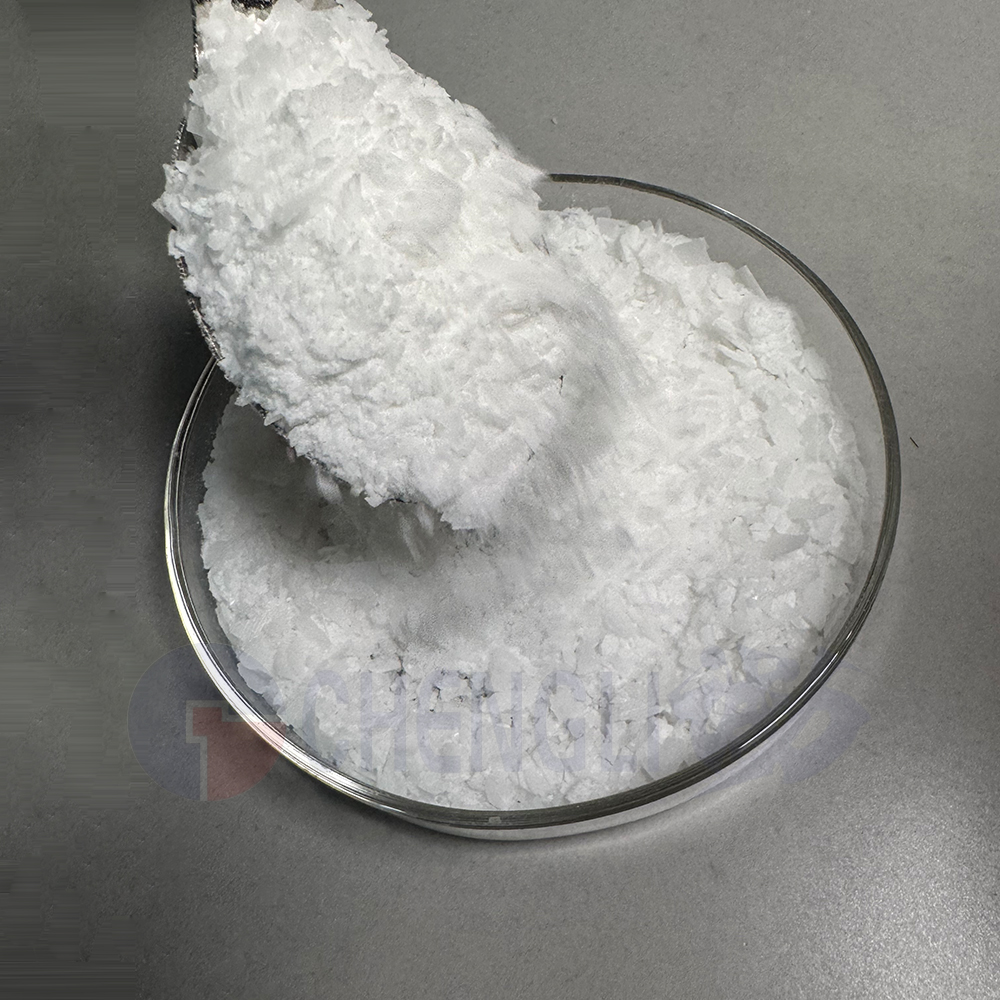
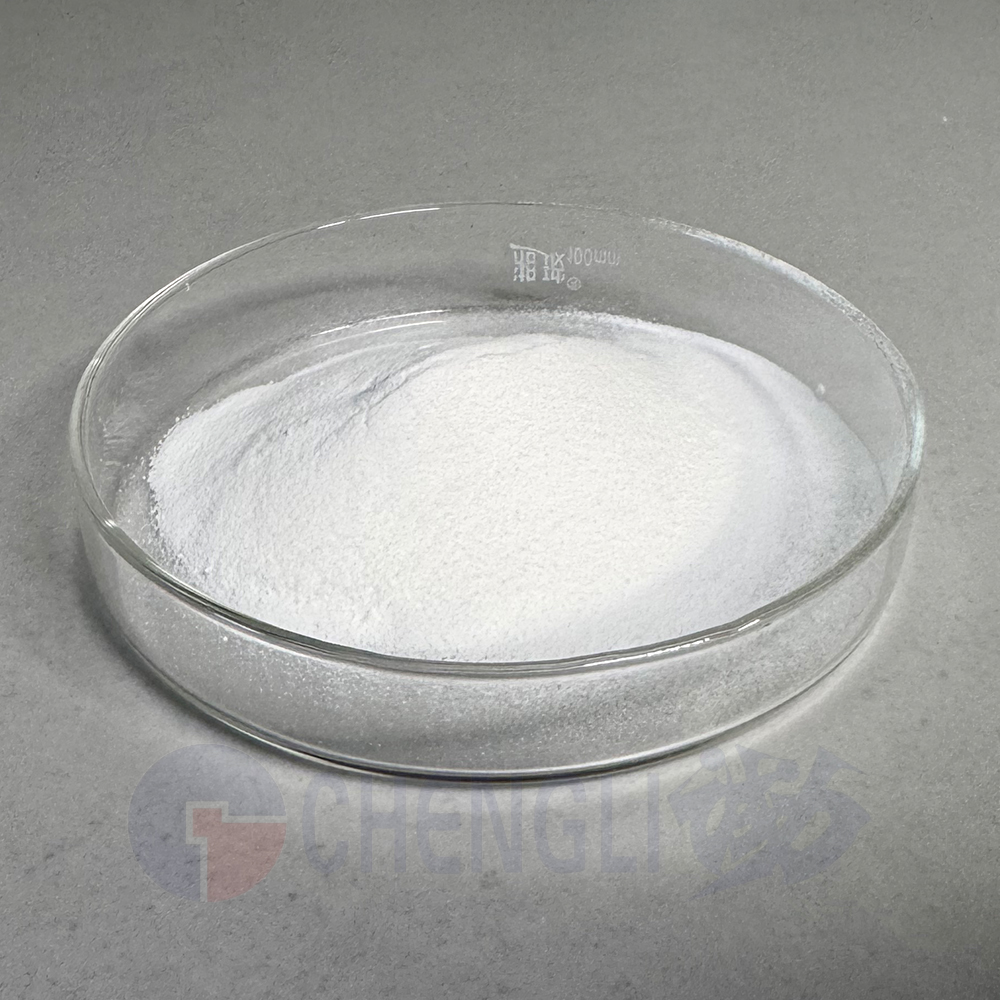
Sodium gluconate acts as the main nutrient source for microbes. Industrial sodium gluconate comes from Aspergillus niger fermentation. Fungal residues account for 2–3% of wet gluconate liquor weight. Unrefined gluconate retains leftover glucose and fungal biomass. These residuals supply nutrients for fast microbial reproduction. Microbes can double their population within 20 to 30 minutes. Favourable temperature, oxygen and pH trigger explosive mould growth. Black discoloration links to residual Aspergillus niger in low-grade gluconate.
Storage conditions also accelerate the degradation process. High temperature speeds up polymer chain cleavage reactions. Heat raises microbial activity and shortens product shelf life. Poor ventilation and high humidity damage raw macromonomer. Overheated macromonomer loses double bonds and weakens performance.
2. Practical Anti-Mould Control Measures
2.1 Select high-quality sodium gluconate raw material
Choose gluconate suppliers with strict production control systems. Qualified products cut glucose and fungal residue content effectively. Low-residue gluconate lowers mould risks for blended superplasticizer.
2.2 Add suitable biocide into the superplasticizer blend
Mix qualified biocide during the polykarboxylátový superplastifikátor compounding process. Common options include sodium nitrite, sodium benzoate and isothiazolinone. Isothiazolinone delivers broad-spectrum, low-toxic and non-oxidizing sterilization. It works steadily across a wide pH range for admixture preservation. Dose 0.5–1.5 kg biocide per tonne of finished superplasticizer.
2.3 Optimize warehouse and tank storage conditions
Store finished products in cool, ventilated zones away from direct sunlight. Sunlight exposure drastically speeds up mould and blackening reactions. Use non-metallic tanks to avoid metal ion contamination. Stainless steel tanks turn liquid red; iron tanks turn it green. Copper containers produce blue discoloration in stored admixtures.
2.4 Match delivery volume with on-site consumption rate
Project schedules and weather often disrupt superplasticizer consumption. Some stock stays on construction sites for over three months. Communicate consumption cycles with clients before product shipment. Maintain dynamic balance between stock supply and product usage.
2.5 Avoid low-efficiency preservatives and clean contaminated tanks
Limit application of formaldehyde, sodium nitrite and sodium benzoate. These cheap preservatives lose activity under heat and pH fluctuation. Formaldehyde escapes gradually and leaves the system unprotected. Pick premium biocides for stable long-term anti-mould performance. Fully clean contaminated tanks before refilling fresh superplasticizer.
2.6 Remediation for lightly moulded superplasticizer
Recover lightly spoiled polykarboxylátový superplastifikátor via simple treatments. Heating, hydrogen peroxide or liquid caustic soda can restore product quality. Proper treatment removes odour and recovers original liquid colour. Treated admixture regains its initial concrete performance.