
Introduction to Advanced Prísady do betónu
Tekutý polykarboxylátový superplastifikátor enables modern construction projects to deliver high-performance concrete with exceptional strength and durability.
Concrete producers face continuous challenges with workability, slump retention, and water reduction.
Traditional plasticizers no longer satisfy the strict requirements of complex modern structures.
Engineers need advanced chemical solutions to achieve superior mix designs efficiently.
Third-generation concrete admixtures offer the ideal answer to these tough industry demands.
Polycarboxylate Ether liquid technology represents a massive leap forward in concrete chemical solutions.
This advanced liquid admixture transforms how concrete plants manage water ratios and workability.
Using Tekutý polykarboxylátový superplastifikátor allows producers to achieve optimal concrete performance while lowering overall material costs.
What Is Tekutý polykarboxylátový superplastifikátor?
Tekutý polykarboxylátový superplastifikátor is a high-performance, third-generation concrete water reducer.
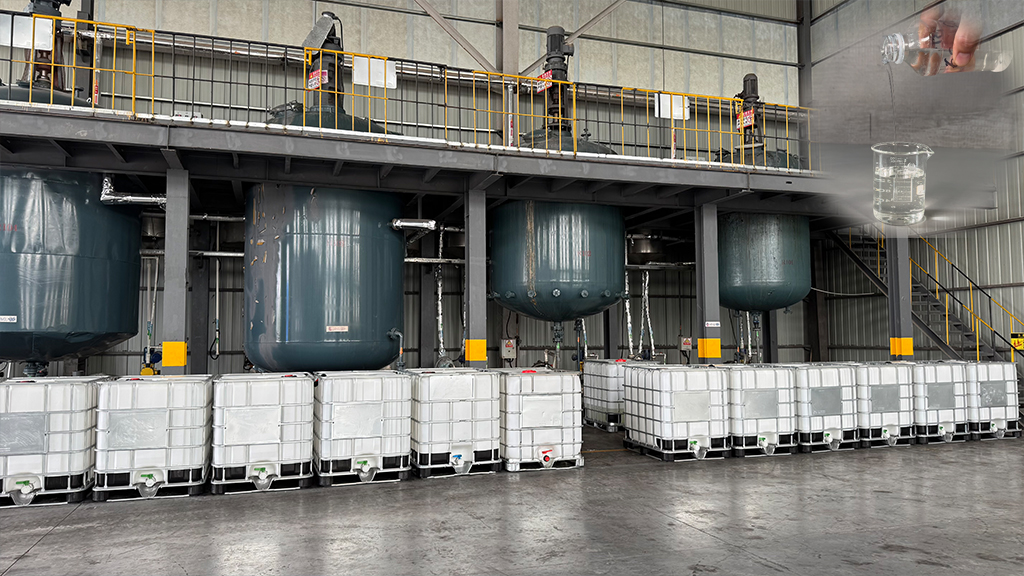
Manufacturers formulate this admixture using advanced polymer synthesis techniques.
The molecular structure features a comb-like polymer chain with active carboxylic group branches.
These molecular chains create steric hindrance between cement particles in the mix.
Steric hindrance disperses cement grains far more effectively than old naphthalene-based plasticizers.
As a result, the concrete mix achieves high fluidity with minimal water content.
This innovative technology serves as an essential component in modern ready-mix concrete production.
Key Benefits of Polycarboxylate Ether in Concrete
Superior Water Reduction Capabilities
High water reduction ratio remains a major advantage of polycarboxylate liquid admixtures.
Standard mixes achieve water reductions between 25% and 35% with proper dosage.
Lower water-cement ratios dramatically increase the final compressive strength of hardened concrete.
Dense concrete matrix structures also improve resistance against water penetration and chemical attack.
Engineers easily design high-strength concrete mixes without adding excess cement powder.

Extended Workability and Slump Retention
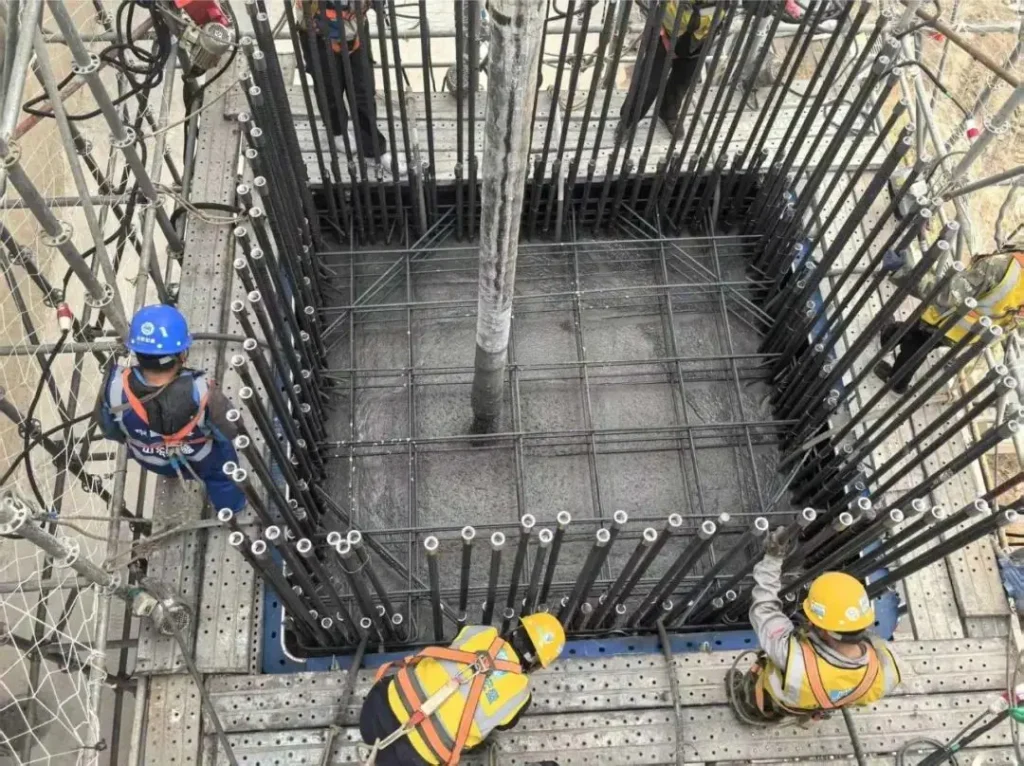
Maintaining concrete workability during long transport distances presents constant challenges for ready-mix suppliers.
Specialized slump retention grades preserve concrete fluidity for over 180 minutes.
The polymer slowly releases active dispersing agents into the concrete matrix over time.
This controlled action prevents slump loss during hot weather or extended haul routes.
Contractors place concrete smoothly without adding unauthorized water at job sites.
Enhanced Early Strength Development
Fast-paced construction schedules demand rapid strength gain for early formwork removal.
Early-strength PCE formulations accelerate initial cement hydration without generating excessive heat.
Precast concrete factories increase production throughput using these high-performance liquid admixtures.
Concrete reaches higher three-day compressive strength compared to traditional water reducers.
Faster turnover times directly reduce site labor costs and project execution timelines.
Eco-Friendly and Safe Formulation
Polycarboxylate liquid admixtures feature low alkali and extremely low chloride content.
The non-corrosive chemical structure protects embedded steel reinforcement from long-term damage.
Additionally, the manufacturing process yields an eco-friendly, non-toxic liquid product.
Green building projects benefit greatly from lower total cement consumption per cubic meter.
Technical Specifications and Grade Overview
Solid Content Variations
Commercial polycarboxylate liquid comes in three primary solid concentration levels: 50%, 55%, and 60%.
higher solid concentrations offer distinct advantages for bulk transport and blending operations.
+-------------------+-----------------+-----------------------+---------------------+
| Product Grade     | Solid Content   | Primary Function      | Recommended Dosage  |
+-------------------+-----------------+-----------------------+---------------------+
| CL-WR-50          | 50%             | Water Reduction       | 0.3% - 0.5%         |
| CL-SR-50          | 50%             | Slump Retention       | 0.3% - 0.5%         |
| CL-ES-50          | 50%             | Early Strength        | 0.35% - 0.55%       |
| CL-WR-55          | 55%             | High Water Reduction  | 0.3% - 0.5%         |
| CL-SR-55          | 55%             | Long Slump Retention  | 0.3% - 0.5%         |
| CL-ES-55          | 55%             | High Early Strength   | 0.35% - 0.55%       |
| CL-WR-60          | 60%             | High Solids Reduction | 0.23% - 0.5%        |
| CL-SR-60          | 60%             | Mass Concrete Slump   | 0.23% - 0.5%        |
+-------------------+-----------------+-----------------------+---------------------+
Physical Properties
Quality betónová prímes products exhibit consistent physical and chemical parameters across batches.
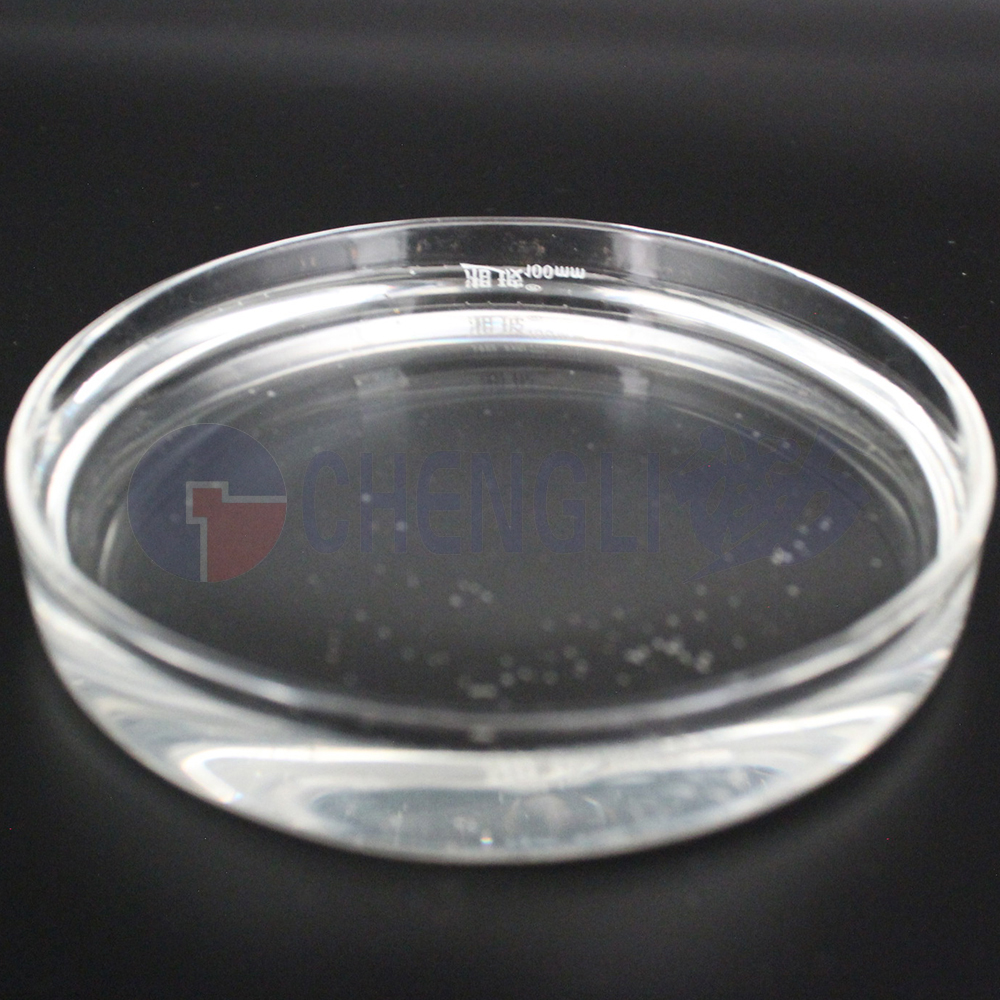
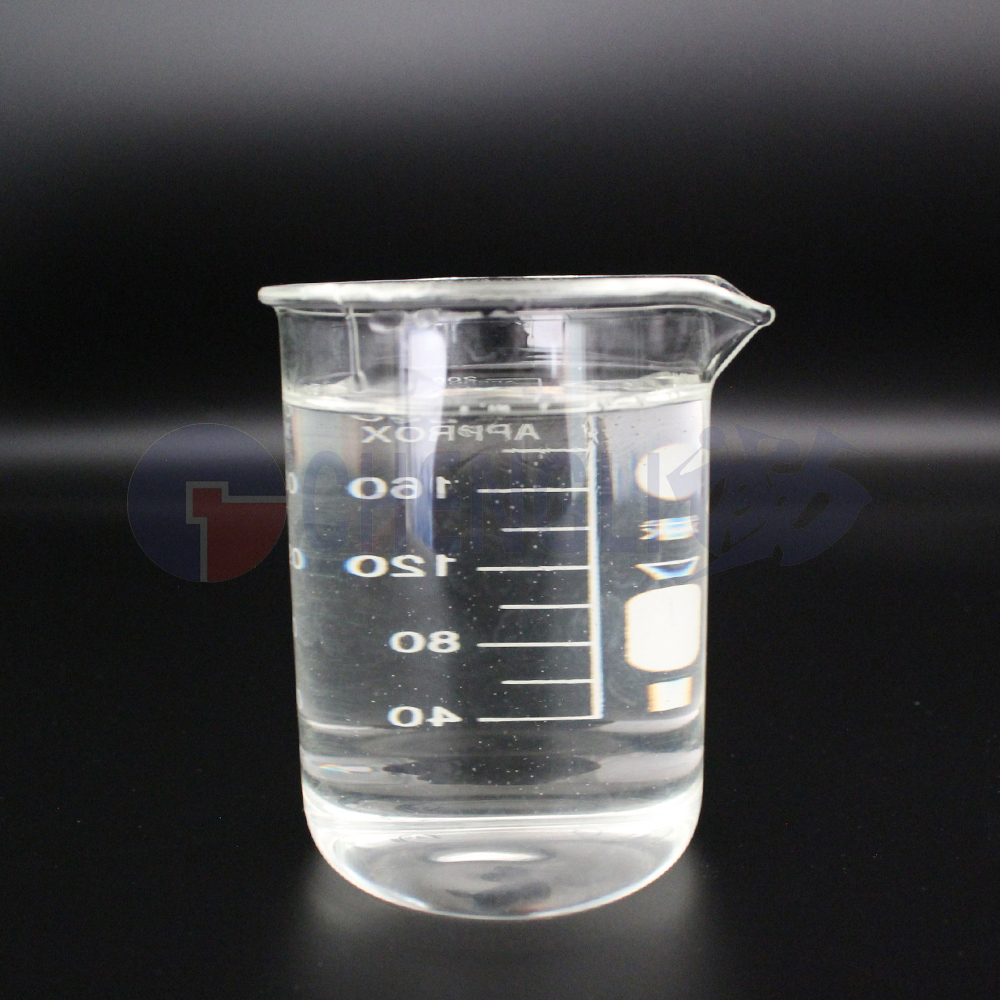
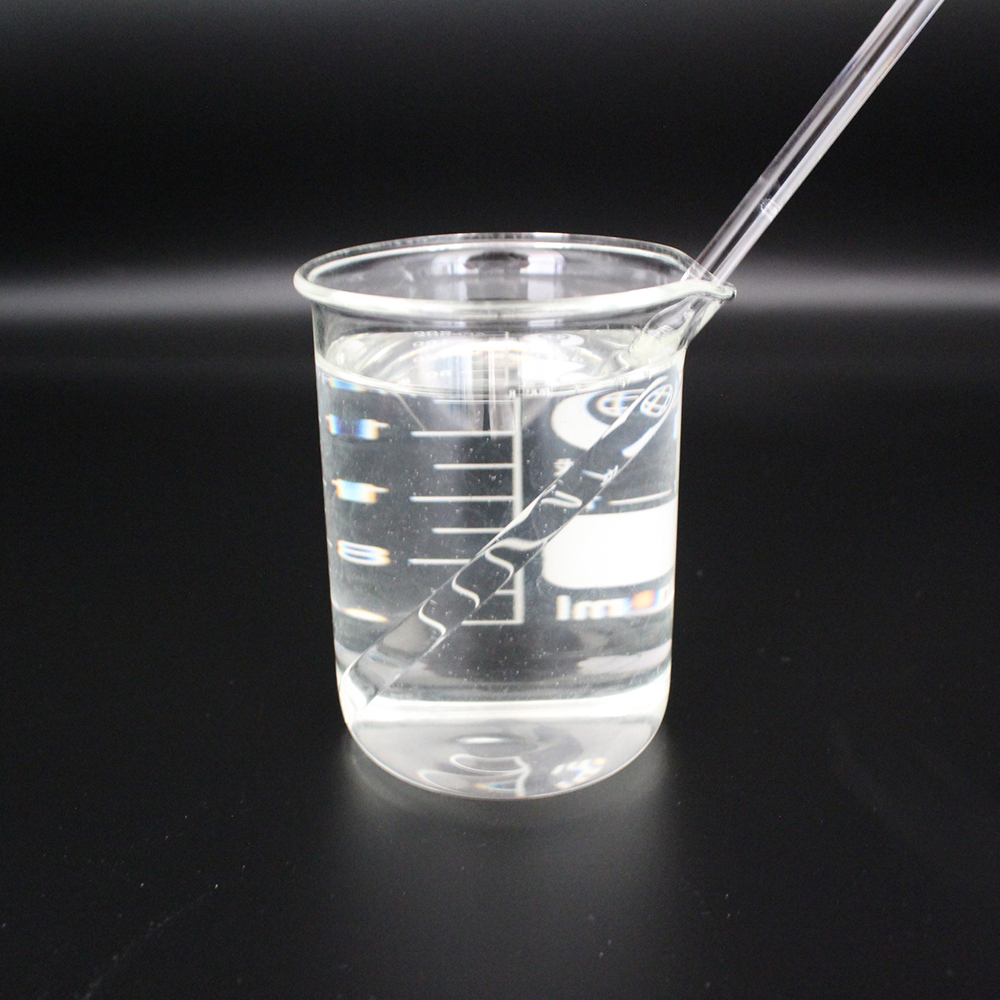
The liquid ranges from colorless to light yellow or brown in appearance.
Typical density values hover around 1.10 grams per cubic centimeter at room temperature.
The standard pH value ranges between 3.0 and 6.0 for optimal chemical stability.
Low total alkali content prevents harmful alkali-silica reactions within the concrete matrix.
Main Applications in Modern Construction
Ready-Mix Concrete Production
Ready-mix batching plants rely heavily on polycarboxylate liquid for daily operations.
The liquid form integrates effortlessly into automated liquid dosing systems.
Consistent dispersion ensures uniform concrete quality from batch to batch.
Suppliers maintain target slump values despite fluctuating ambient temperatures.
Precast Concrete Manufacturing
Precast element manufacturers require rapid early strength to maximize formwork turnover.
Specialized early strength PCE formulations allow fast demolding within 12 to 18 hours.
Precast plants reduce steam curing energy costs by utilizing active PCE liquid technology.
Smooth surface finishes reduce post-casting surface repair work significantly.
Self-Consolidating Concrete (SCC)
Self-consolidating concrete requires high fluidity without segregation or bleeding.
Polykarboxylátové superplastifikátory provide the necessary flowability while maintaining mix cohesion.
Complex architectural molds fill completely without mechanical vibration.
Congested rebar configurations no longer block the flow of cohesive SCC mixes.
Infrastructure and Mass Concrete
Large infrastructure projects require durable concrete with minimal thermal cracking risk.
Bridge decks, marine structures, and high-rise foundations benefit from low water-cement ratios.
High-density concrete prevents chloride ion penetration in harsh coastal environments.
Mass concrete pours remain workable for hours without cold joint formation.
How to Optimize Dosage and Mixing Procedures
Finding the Optimum Dosage
Recommended dosage rates range between 0.2% and 0.6% by total weight of cementitious material.
Exact dosage depends on aggregate grading, ambient temperature, and concrete strength requirements.
Lab technicians must conduct trial mixes to determine the precise dosage for specific materials.
Overdosing may cause segregation, bleeding, or delayed setting times in the concrete mix.
Underdosing fails to yield the target slump and water reduction efficiency.
Best Practices for Mixing
Always add the liquid admixture with the batching water or after adding 70% of total water.
Avoid adding PCE liquid directly to dry cementitious powders during dry batching.
Allow at least 60 seconds of wet mixing time after introducing the superplasticizer.
Thorough mixing guarantees complete dispersion across all aggregate surfaces.
Storage and Handling Recommendations
Storage Conditions
Store liquid polycarboxylate plasticizers in clean plastic, IBC tanks, or stainless steel vessels.
Avoid long-term storage in mild steel containers due to potential iron contamination.
Keep storage tanks away from direct sunlight and severe freezing conditions.
Maintain ambient storage temperatures between 5°C and 40°C for maximum shelf life.
Product Shelf Life
Properly sealed containers retain full chemical effectiveness for 12 months from production.
Agitate bulk storage tanks gently if liquid remains untouched for long periods.
Inspect tanks periodically to ensure clean storage conditions without sediment accumulation.
Často kladené otázky
Can You Mix PCE with Old Plasticizers?
Never mix polykarboxylátové superplastifikátory directly with naphthalene-based or lignosulfonate admixtures.
Incompatible chemical reactions lead to rapid coagulation, severe loss of workability, or heavy precipitation.
Flush all batching equipment thoroughly before switching from old admixtures to PCE liquid.
Why Choose Liquid Over PCE Powder?
polycarboxylate superplasticizers Liquid dissolves instantly without requiring on-site dissolving equipment or manual handling.
Ready-mix batching plants achieve accurate automated liquid dosing directly into mixing drums.
Liquid products eliminate dust hazards in batching facilities, creating safer work environments.
Záver
Polycarboxylate Ether liquid technology continues to set the benchmark for high-performance concrete production.
Výber doprava polycarboxylate superplasticizers Liquid grade optimizes water consumption, slump retention, and early strength development.
Modern construction projects gain higher structural durability and cost efficiency using advanced betónová prímes formulations.
Implementing polycarboxylate liquid in your mix design ensures superior concrete performance across all job sites.
Náš profesionálny technický tím je k dispozícii 24/7 na riešenie všetkých problémov, s ktorými sa môžete stretnúť pri používaní našich produktov.Tešíme sa na vašu spoluprácu!