
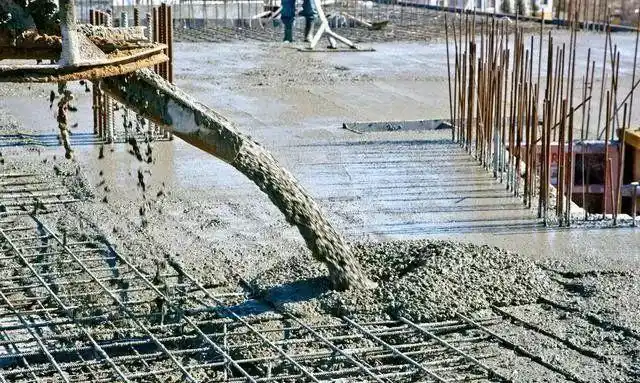
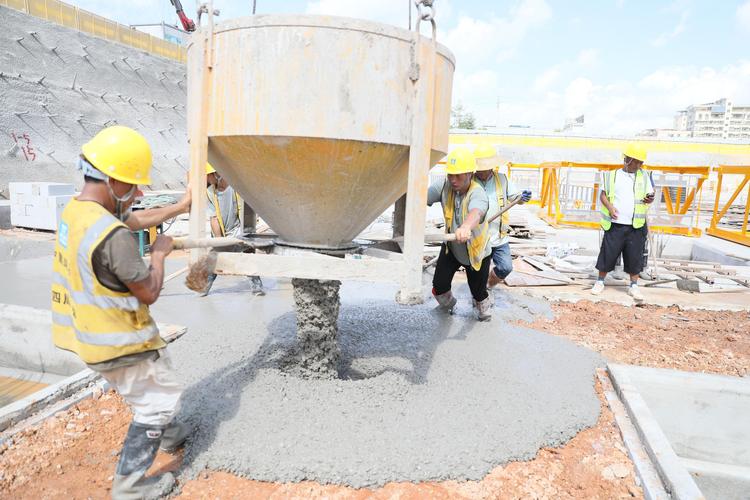
In high-temperature environments (30℃+), concrete placement faces critical challenges due to accelerated cement hydration, leading to rapid slump loss and reduced workability. Maintaining slump retention for at least 4 hours is essential for complex pours, such as large-scale foundations or precast elements, where prolonged handling and placement are required. This article explores how advanced polikarboksilatni superplastifikator (PCE) in sredstvo za zmanjšanje vode v trdnem betonu formulations, supported by innovative concrete admixtures manufacturers, address slump retention in extreme heat while ensuring structural integrity.
The Impact of High Temperature on Concrete Workability
At 30℃, cement hydration rates increase by 30-40% compared to standard conditions, causing:
- Rapid flocculation: Cement particles aggregate faster, reducing paste fluidity.
- Shortened setting time: Initial set can occur within 2-3 hours, compromising placement efficiency.
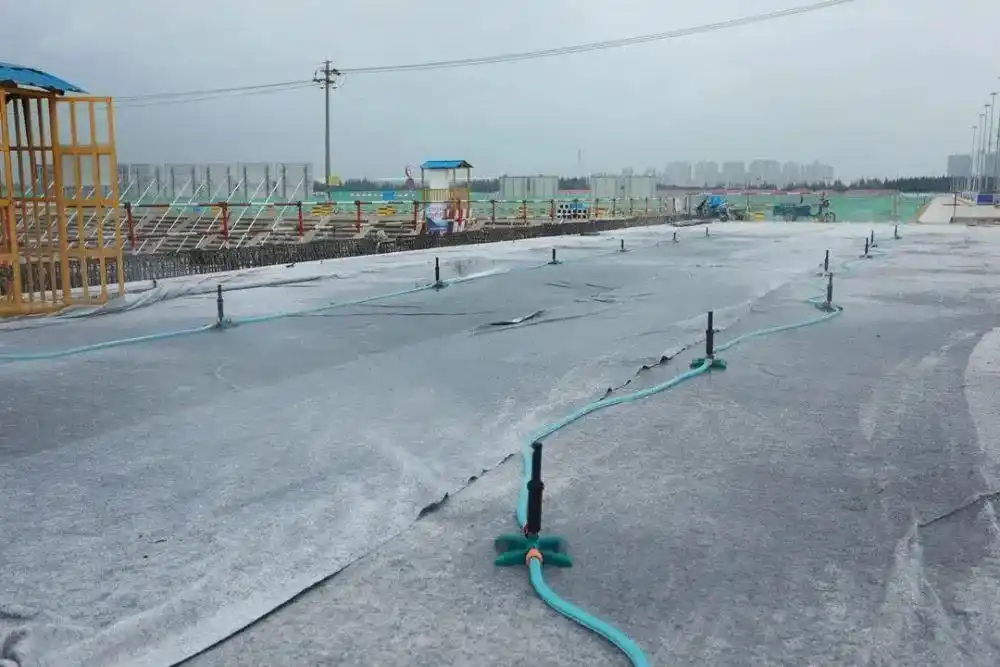
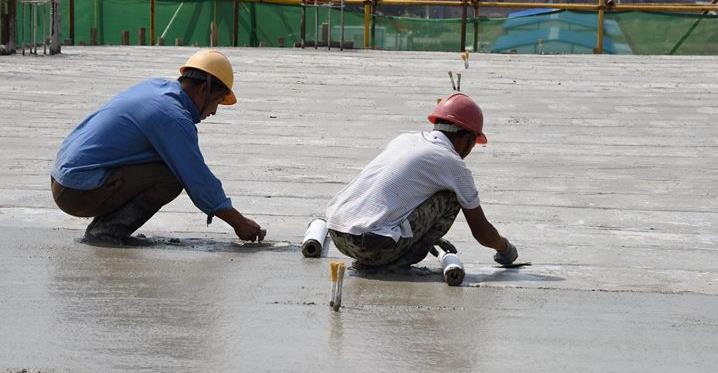
- Increased plastic shrinkage: Higher evaporation rates lead to cracking risks.
Traditional water reducers struggle to maintain slump beyond 90 minutes in such conditions. However, modern sredstva za zmanjšanje vode v betonu like Polikarboksilatni superplastičniki offer superior dispersion and retardation capabilities.
Technical Solutions for Slump Retention
1. Polycarboxylate Superplasticizer (PCE) Technology
PCEs feature a comb-like molecular structure that:
- Enhances steric hindrance: Disperses cement particles effectively, delaying flocculation.
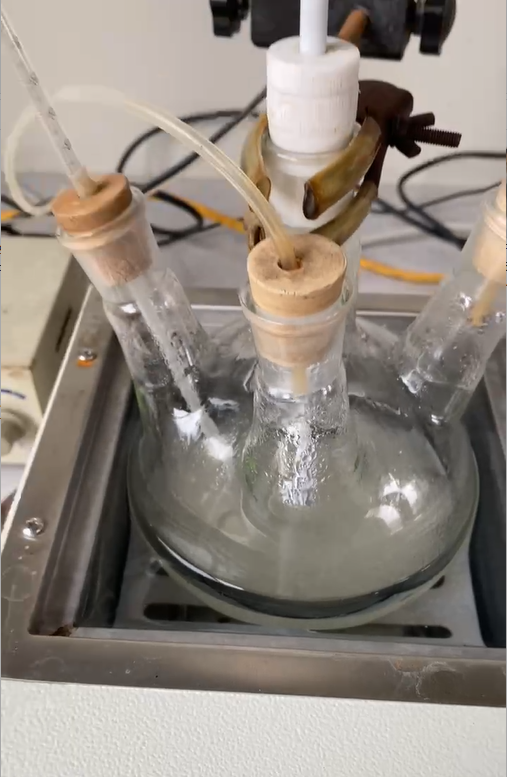
- Modulates hydration kinetics: Incorporates retarder groups (e.g., hydroxyl carboxylic acids) to slow calcium silicate hydration.
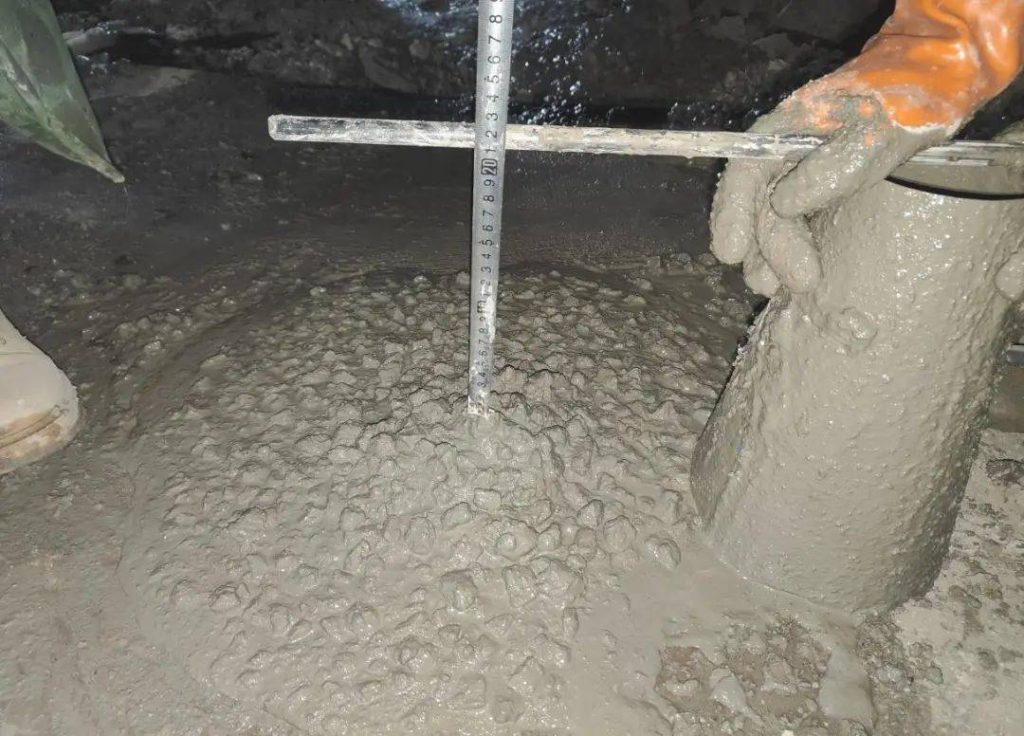
- Sustains workability: Achieves 4-hour slump retention with dosages as low as 0.8-1.2% by cement weight.
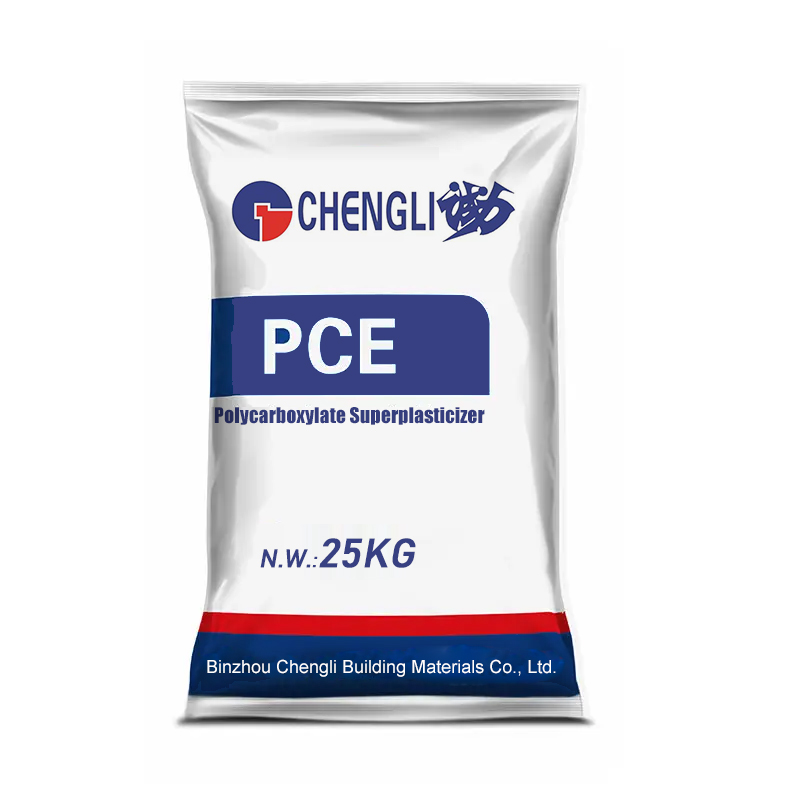
2. Solid Concrete Water Reducing Agent Advantages
Solid formulations (e.g., powder or granular PCEs) offer:
- Stability in high humidity: Reduced risk of microbial growth compared to liquid admixtures.
- Precision dosing: Easier integration into automated batching systems for large projects.
- Cost efficiency: Lower transportation costs due to reduced water content in the product.
A leading proizvajalec dodatkov za beton recently developed a hybrid system combining PCE with a solid retarder, achieving 200mm slump retention at 4 hours in 30℃ tests.
Case Study: High-Temperature Concrete Mix Design
Mix Parameters
| Component | Content (kg/m³) | Role |
|---|---|---|
| Portland Cement | 450 | Binder |
| Coarse Aggregate | 1100 | Structural skeleton |
| Fine Aggregate | 700 | Filler |
| Water | 145 | Hydration (w/c = 0.32) |
| PCE Superplasticizer | 5.4 (1.2% by cement) | Slump retention & water reduction |
| Solid Retarder | 0.9 (0.2% by cement) | Hydration control |
Rezultati testov
- Slump Retention: 210mm at 0h → 195mm at 4h (30℃ curing).
- Compressive Strength: 35MPa at 7 days (meet design requirements).
- Thermal Analysis: Peak hydration temperature reduced by 15℃ vs. conventional mixes.
Ključni pomisleki pri izbiri primesi
- Združljivost: Ensure PCE-retarder systems align with local cement chemistries (e.g., C3A content).
- Dosing Precision: Automated systems minimize errors in high-temperature batching.
- Trajnost: Look for low-VOC, bio-based retarders to meet green building standards.

Zaključek
In 30℃ environments, achieving 4-hour slump retention requires a strategic combination of polikarboksilatni superplastifikator in sredstvo za zmanjšanje vode v trdnem betonu technologies, supported by expertise from concrete admixtures manufacturers. These solutions not only address workability challenges but also enhance long-term durability by optimizing hydration kinetics. As climate change drives more extreme weather conditions, advanced admixtures will remain critical for maintaining concrete performance in high-temperature applications.
For Tailored Advice Or Technical Support, Contact Our Team At Cl18366819567@Gmail.Com.