
Practical Construction Techniques & Troubleshooting for European Tunnel Projects
Tunnel lining concrete requires extreme workability and structural integrity to avoid voids, a challenge European infrastructure projects have long faced. Liquid Polycarboxylate Superplasticizer, an advanced third-generation admixture, has emerged as the solution—its superior dispersion ability ensures smooth, void-free concrete while preserving durability. Below, we share practical tips for applying this admixture in tunnel projects, aligned with the standards adopted by leading European construction teams.
European infrastructure projects demand durable, void-free tunnel lining concrete. Liquid Polycarboxylate Superplasticizer has become a game-changer in achieving this goal. It enhances concrete workability without sacrificing strength, a key need for complex tunnel environments. This article shares actionable tips for using Liquid Polycarboxylate Superplasticizer to create flawless tunnel linings, aligned with European construction standards.
Choose the right PCE dosage to avoid voids in tunnel linings. Too little PCE leads to stiff concrete that’s hard to place. Too much can cause segregation and honeycombing, creating hidden voids. European contractors typically test PCE dosages in labs before on-site use. They match the dosage to the concrete mix design and tunnel construction conditions.
Optimize concrete mixing procedures when using Liquid Polycarboxylate Superplasticizer. Add Liquid Polycarboxylate Superplasticizer after mixing cement, aggregates, and water for best results. Mix the concrete for 2–3 minutes to ensure uniform Liquid Polycarboxylate Superplasticizer distribution. Uneven mixing leaves pockets of unmodified concrete, which form voids during placement. This step follows guidelines from ACI World (aciworld.org) for consistent mix quality.
Control the water-cement (w/c) ratio strictly with Liquid Polycarboxylate Superplasticizer assistance. Liquid Polycarboxylate Superplasticizer reduces water demand, allowing lower w/c ratios without losing workability. A lower w/c ratio minimizes shrinkage and void formation in tunnel linings. European standards recommend w/c ratios between 0.45 and 0.55 for tunnel concrete. Liquid Polycarboxylate Superplasticizer makes this achievable while keeping concrete easy to pump.
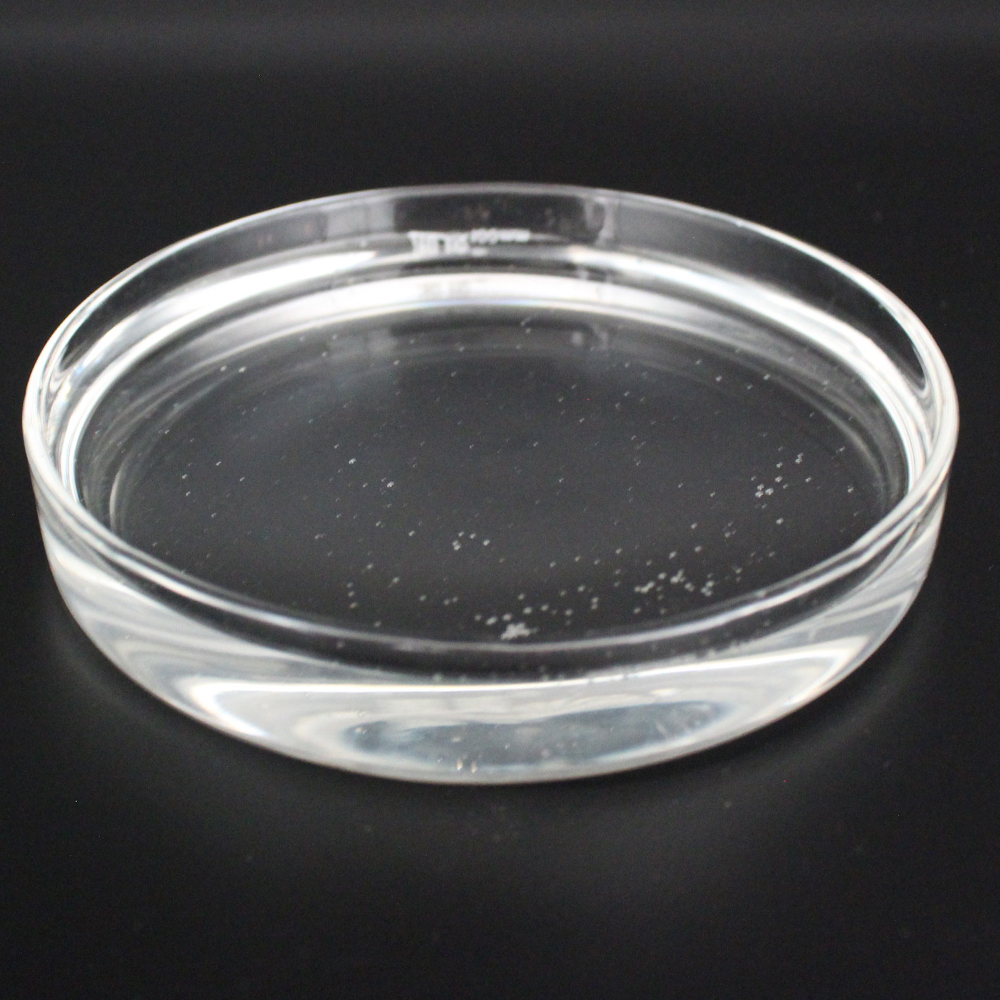
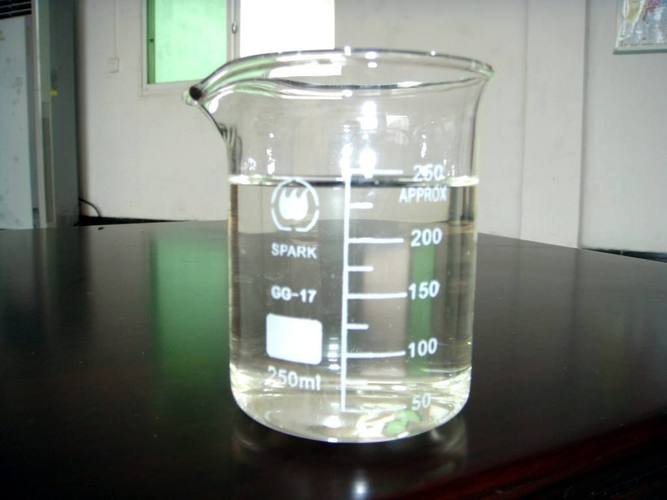
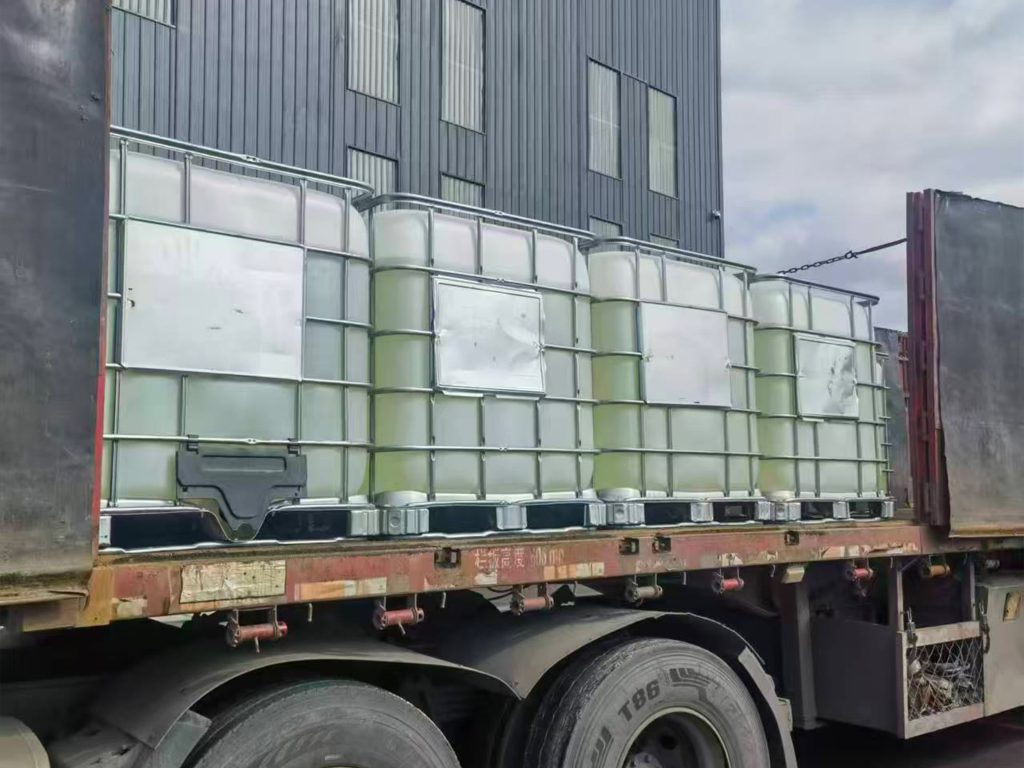
Improve concrete placement techniques for void-free results. Use Liquid Polycarboxylate Superplasticizer to enhance pumpability, especially for long-distance tunnel concrete transport. Place concrete in thin, uniform layers (20–30 cm thick) to ensure full compaction. Avoid dropping concrete from heights over 1.5 meters to prevent air entrapment.
Use proper compaction methods alongside liquid PCE. Liquid Polycarboxylate Superplasticizer improves concrete flow, but compaction remains critical to eliminate air voids. Employ internal vibrators with 20–30 cm spacing for thorough compaction. Focus on hard-to-reach areas like joint connections and reinforcement congestion. European contractors often use vibration monitoring tools to avoid under-vibration.
Address reinforcement congestion to prevent voids in tunnel linings. Liquid Polycarboxylate Superplasticizer increases concrete flowability, helping it pass through dense reinforcement. Ensure minimum clearances between bars (at least 3 cm) per European standards. Use fine-grained concrete with Liquid Polycarboxylate Superplasticizer for congested areas, as recommended by ACI research. This prevents mortar loss and air pockets around steel.
Monitor and adjust for tunnel temperature and humidity. Extreme temperatures affect Monitor and adjust for tunnel temperature and humidity. Extreme temperatures affect PCE performance and concrete setting. In cold European climates, use heated water to maintain mix temperatures above 10°C. In hot weather, cool aggregates and avoid Liquid Polycarboxylate Superplasticizer exposure to direct sunlight. Temperature control reduces thermal cracks that can trap voids.
performance and concrete setting. In cold European climates, use heated water to maintain mix temperatures above 10°C. In hot weather, cool aggregates and avoid Liquid Polycarboxylate Superplasticizer exposure to direct sunlight. Temperature control reduces thermal cracks that can trap voids.
Conduct pre-placement inspections to catch potential void causes. Check formwork for leaks, gaps, or poor alignment before pouring. Ensure formwork is clean and coated with a release agent to prevent concrete sticking. Inspect reinforcement for proper spacing and support.
Troubleshoot common void issues promptly during construction. If surface voids appear, use a PCE-modified mortar to fill them immediately. For hidden voids, use ground-penetrating radar (GPR) to locate and map their size. Inject grout mixed with PCE into large voids to restore structural integrity. European projects prioritize quick remediation to avoid long-term damage.
Follow post-placement curing practices to prevent void formation. PCE-enhanced concrete requires consistent moisture for 7–14 days after placement. Use wet burlap, plastic sheeting, or curing compounds to retain moisture. Curing prevents surface drying and shrinkage, which create micro-voids in tunnel linings. This aligns with European durability requirements for infrastructure.
Collaborate with material suppliers for tailored PCE solutions. European PCE manufacturers offer products designed for specific tunnel conditions. Share your mix design and construction challenges with suppliers. They can recommend PCE types (e.g., retarder-modified) to address project-specific void risks. This partnership ensures optimal Liquid Polycarboxylate Superplasticizer performance.
European infrastructure projects set the bar for void-free tunnel linings. By following these tips, contractors leverage liquid PCE to achieve durable, high-quality results. The combination of proper PCE use, strict process control, and proactive troubleshooting eliminates voids. This approach protects tunnel structures, extends their lifespan, and reduces maintenance costs over time.
Void-free tunnel lining concrete is not just a goal—it’s a necessity for safe, long-lasting European infrastructure. Liquid Polycarboxylate Superplasticizer makes this possible with its unique performance benefits. By integrating these practical tips into construction workflows, contractors can deliver tunnel linings that meet the highest European standards, free from costly void-related defects.
మా ఉత్పత్తులను ఉపయోగిస్తున్నప్పుడు మీరు ఎదుర్కొనే ఏవైనా సమస్యలను పరిష్కరించడానికి మా ప్రొఫెషనల్ టెక్నికల్ టీమ్ 24/7 అందుబాటులో ఉంటుంది. మేము మీ సహకారం కోసం ఎదురు చూస్తున్నాము!