
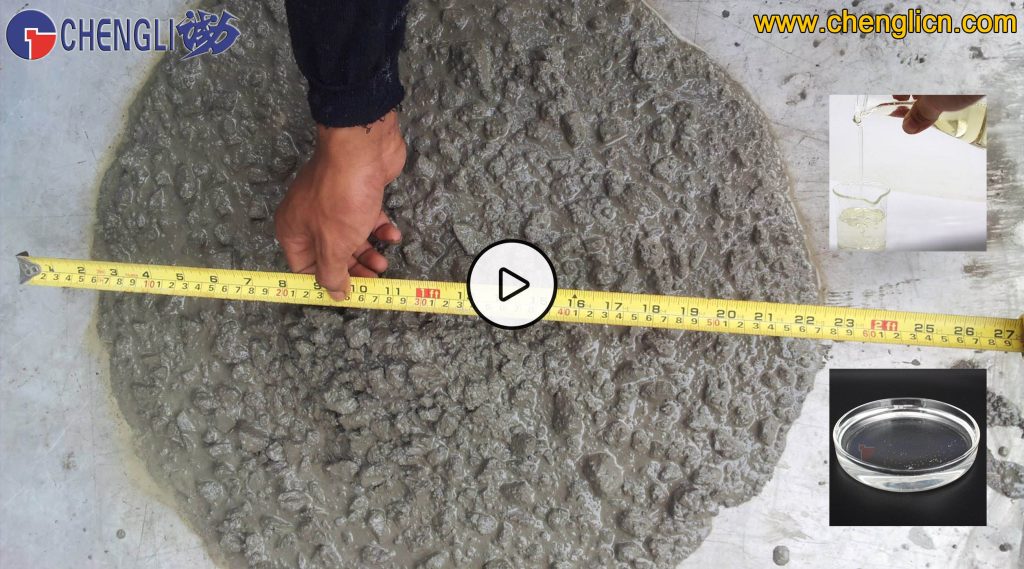
Molecular Design: The Foundation of 40% Retention Gains
4th-gen โพลีคาร์บอกซีเลท สารลดน้ำพิเศษ: Tips for 40% Better Slump Retention – Global High-End Projects redefine slump retention through precision molecular engineering. Engineers design comb-like structures with lab-tailored side-chain lengths for sustained dispersion. They embed slow-hydrolyzing ester groups to release carboxyls gradually over time. This steady release offsets โพลีคาร์บอกซีเลท สารลดน้ำพิเศษ consumption from cement hydration. You achieve 40% better retention without extended setting times.
Select anti-clay functional groups for projects with reactive aggregates. These groups resist competitive adsorption from clays and C3A. They lock PCE molecules to cement surfaces for longer. Test three molecular variants against your mix to find the best fit. This step alone can deliver 15–20% of the total retention improvement.
Mix Design Optimization: Calibrate for Consistency
Start with a compatibility test for every cement and mineral admixture batch. You avoid unexpected slump loss from material variability. Fix the water-cement ratio first; keep it below 0.45 for optimal PCE efficiency. Binder contents above 400 kg/m³ amplify โพลีคาร์บอกซีเลท สารลดน้ำพิเศษ’s water reduction and retention effects.
Use a two-stage โพลีคาร์บอกซีเลท สารลดน้ำพิเศษ dosage strategy for high-end mixes. Add 70% during initial mixing for baseline dispersion. Reserve 30% for on-site adjustment or delayed addition. This method stabilizes slump for 90+ minutes in most climates. Control dosages between 0.5–2.0% by binder weight; trial mixes set the exact rate.
Application Techniques: Master Timing and Temperature
Adopt the “60-second wet mix rule” for uniform โพลีคาร์บอกซีเลท สารลดน้ำพิเศษ distribution. You complete wet mixing for at least 60 seconds before adding final water. This prevents surplus water from weakening retention. Implement a secondary addition protocol for ready-mix trucks. Technicians add small โพลีคาร์บอกซีเลท สารลดน้ำพิเศษ doses only when slump falls below specifications.
Fight temperature effects to protect your 40% retention gain. Cool aggregates with sprinklers or use chilled mixing water in summer. You lower concrete exit temperatures by 5–8°C easily. In cold weather, preheat binders to 15–20°C for consistent โพลีคาร์บอกซีเลท สารลดน้ำพิเศษ performance. These steps maintain retention in extreme conditions.
Quality Control: Lock in Results for Global Projects
Install real-time slump monitoring at batching plants and job sites. You track retention hourly and adjust โพลีคาร์บอกซีเลท สารลดน้ำพิเศษ dosages proactively. Test โพลีคาร์บอกซีเลท สารลดน้ำพิเศษ purity weekly; reject batches with >1% impurities. Impurities disrupt molecular adsorption and reduce retention efficacy.
Document every mix design, dosage, and slump reading for compliance. Global clients require traceability for high-end infrastructure projects. Share test data and application logs to build trust. Consistent QC ensures your 40% retention improvement delivers on every site.
Conclusion: Execute with Precision for Global Success
4th-gen โพลีคาร์บอกซีเลท สารลดน้ำพิเศษ make 40% better slump retention achievable today. You combine molecular design, mix calibration, and strict application control. Master these steps to meet the demands of skyscrapers, bridges, and dams worldwide. Your projects stay on schedule, and your concrete meets the highest durability standards. Start with a small trial batch; scale proven methods across your global portfolio.
ทีมงานด้านเทคนิคมืออาชีพของเราพร้อมให้บริการทุกวันตลอด 24 ชั่วโมงเพื่อแก้ไขปัญหาใดๆ ที่คุณอาจพบขณะใช้ผลิตภัณฑ์ของเราเราหวังเป็นอย่างยิ่งว่าจะได้ความร่วมมือของคุณ!