
7 Core Strategies for Mastering โพลีคาร์บอกซีเลท สารลดน้ำพิเศษ Compounding: Core Principles and Strategies
Modern concrete engineering relies heavily on advanced chemical admixtures. โพลีคาร์บอกซีเลท สารลดน้ำพิเศษ is the gold standard for high water reduction and long-term concrete durability. Engineers rarely apply raw single-component polymer directly on site. Instead, they compound functional ingredients to satisfy strict construction demands. This guide covers key techniques, core raw materials and practical tactics for professional โพลีคาร์บอกซีเลท สารลดน้ำพิเศษ formulation.
H2|What Is the Real Goal of Polycarboxylate Superplasticizer Compounding
Raw Polycarboxylate Superplasticizer polymer has clear performance limits. Strong water reduction often weakens slump retention and causes fast workability loss. Compounding solves this conflict by mixing complementary additives.
Formulators match different polymer structures to balance early strength and sustained flowability. Smart blending also cuts total manufacturing costs. Tuned formulas adapt to changing temperatures, seasonal shifts and unstable cement or aggregate supplies.
H2|Core Components for a Stable Polycarboxylate Superplasticizer Formula
A reliable compound system depends on balanced specialty chemicals. Every ingredient carries a unique physical or hydration function.
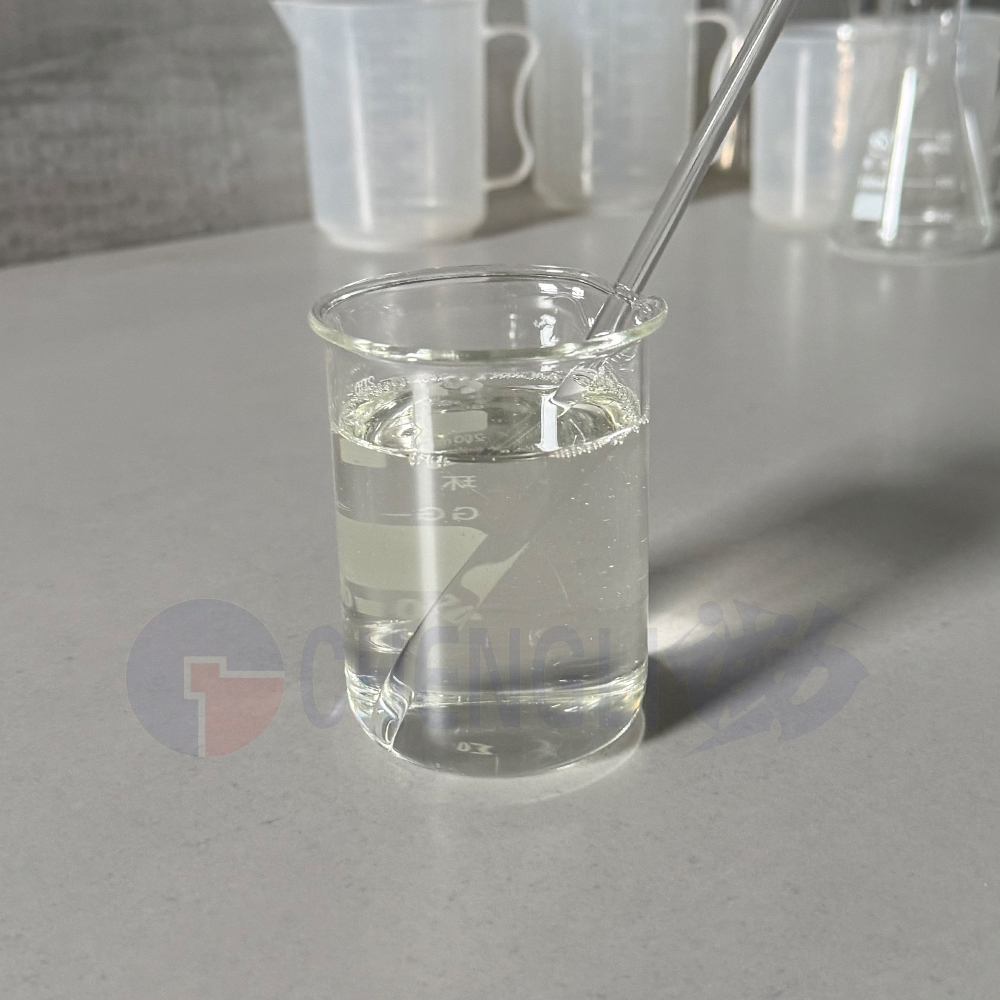
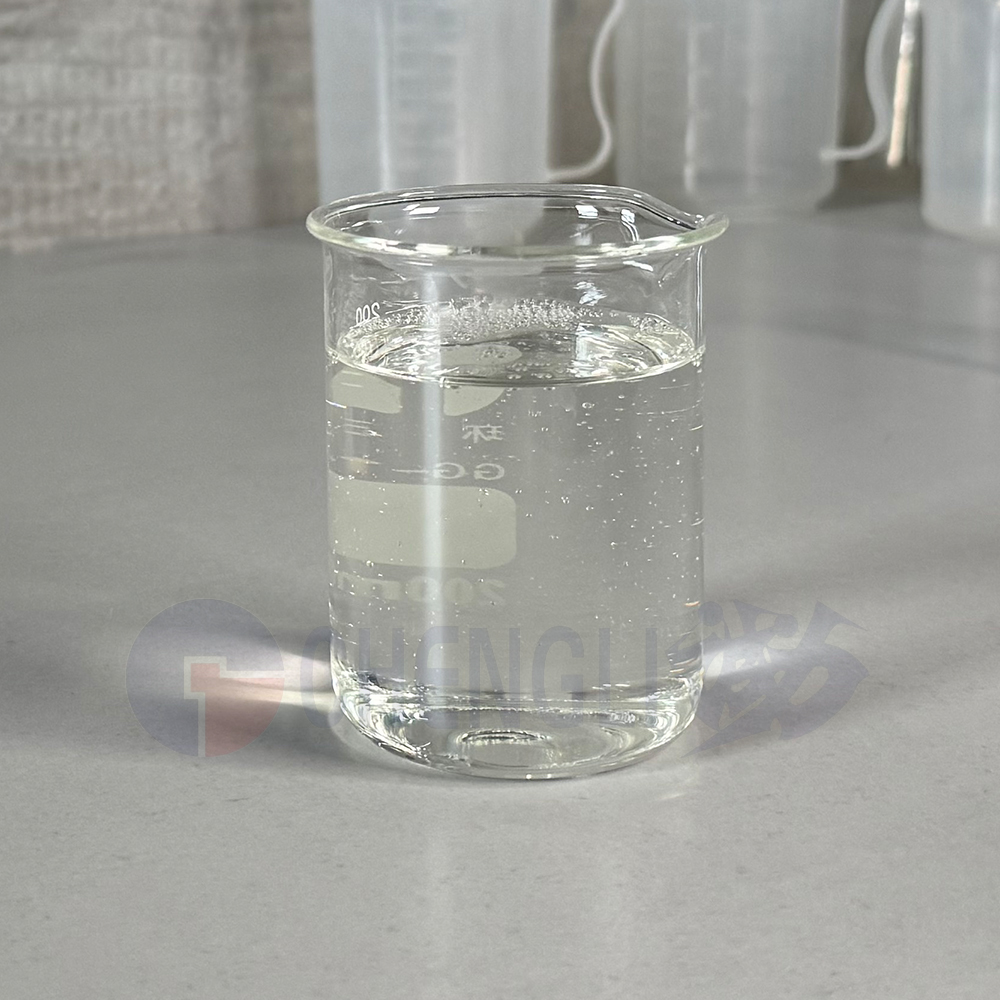
- โพลีคาร์บอกซีเลท สารลดน้ำพิเศษ Mother Liquor: This base polymer controls dispersion and sets the basic water reduction rate.
- Retarding Agents: Sodium gluconate and sucrose extend setting time during hot summer concrete pouring.
- Slump Retention Agents: Small reactive ester polymers keep concrete workable for long transport routes.
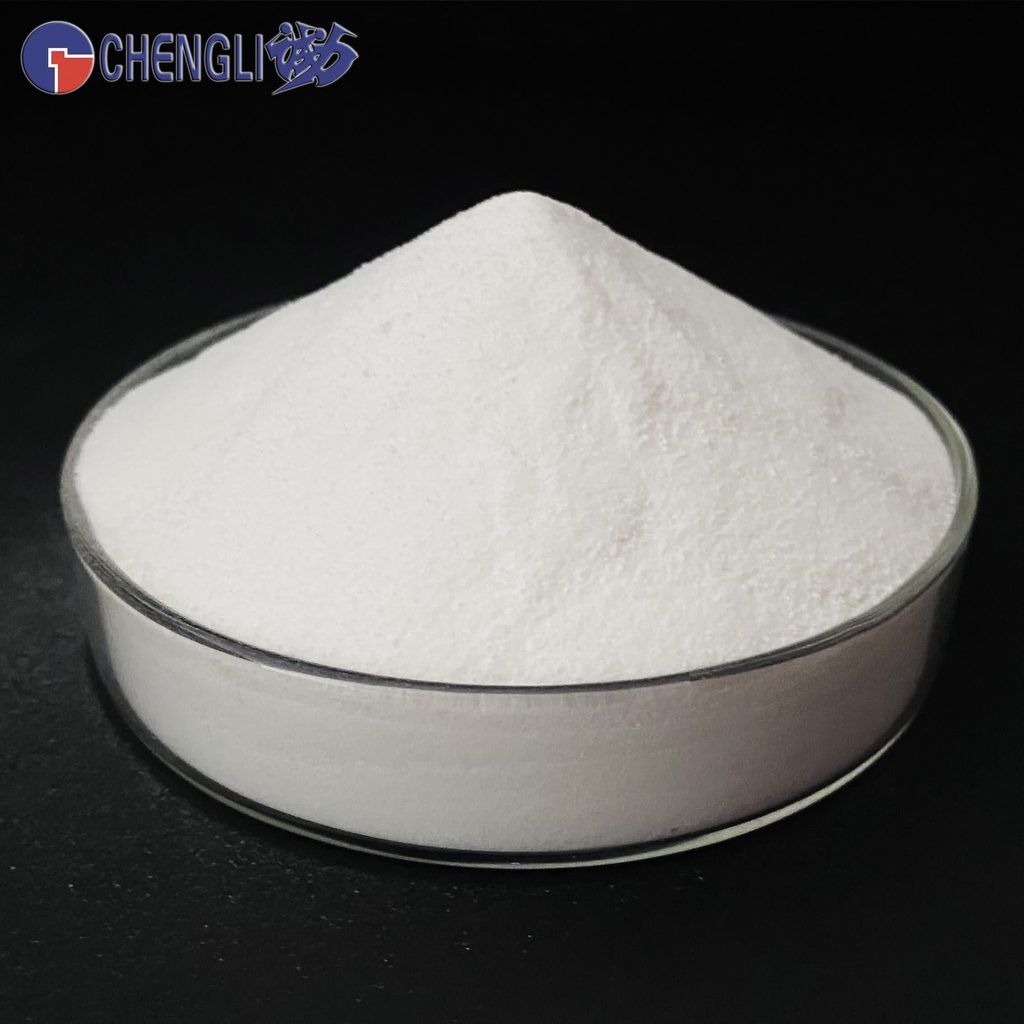
- Early Strength Accelerators: Calcium formate speeds cement hydration for precast concrete production.
- Air-Entraining Agents: Synthetic surfactants create tiny stable air bubbles to boost freeze-thaw resistance.
- Viscosity Modifying Agents: HPMC improves mixture cohesion and stops bleeding or segregation in self-compacting concrete.
H2|Step-by-Step Technical Workflow for Polycarboxylate Superplasticizer Compounding
Good formulation follows scientific testing rules, not random mixing. Every batch test aims for consistent, predictable field performance.
H3|1. Lock Project Requirements Before Polycarboxylate Superplasticizer Mix Design
Formulators first check local climate, target strength and aggregate quality. Summer jobs need stronger retardation. Winter precast work needs fast early strength growth.
H3|2. Test Chemical Compatibility for Polycarboxylate Superplasticizer Blends
Compatibility tests avoid expensive batch failures. Lab technicians mix additives in concentrated solution. They watch for precipitation, phase separation or unexpected viscosity rise during storage.
H3|3. Run Iterative Lab Trials to Tune Polycarboxylate Superplasticizer Performance
Technicians test paste fluidity, mortar spread and concrete workability. Minor dosage adjustments fix side effects such as over-retardation or slow strength gain.
H3|4. Build QC Rules for Mass Polycarboxylate Superplasticizer Production
Large-scale manufacturing needs steady batch quality. Labs track solid content, density, pH and initial slump retention. These metrics guarantee reliable performance on construction sites.
H2|Solving Common Construction Pain Points with Modified Polycarboxylate Superplasticizer
Today’s raw materials often bring big challenges, especially clay-rich aggregates and recycled sand. Clay particles quickly absorb standard Polycarboxylate Superplasticizer polymer and ruin concrete flow. Formulators add clay-resistant polymers to block this harmful adsorption.
Tighter environmental rules also phase out some old additives. Chemists select low-alkali, eco-friendly raw materials. New polymer design builds multi-function features into the main Polycarboxylate Superplasticizer molecular chain, reducing extra additive usage.
H2|Final Takeaways for Polycarboxylate Superplasticizer Compounding Mastery
Professional Polycarboxylate Superplasticizer formulation needs solid knowledge of cement hydration and polymer chemistry. Mastery helps admixture suppliers and engineers solve tough construction problems. Careful ingredient selection, strict compatibility tests and precise dosage tuning unlock the full value of high-performance concrete.