
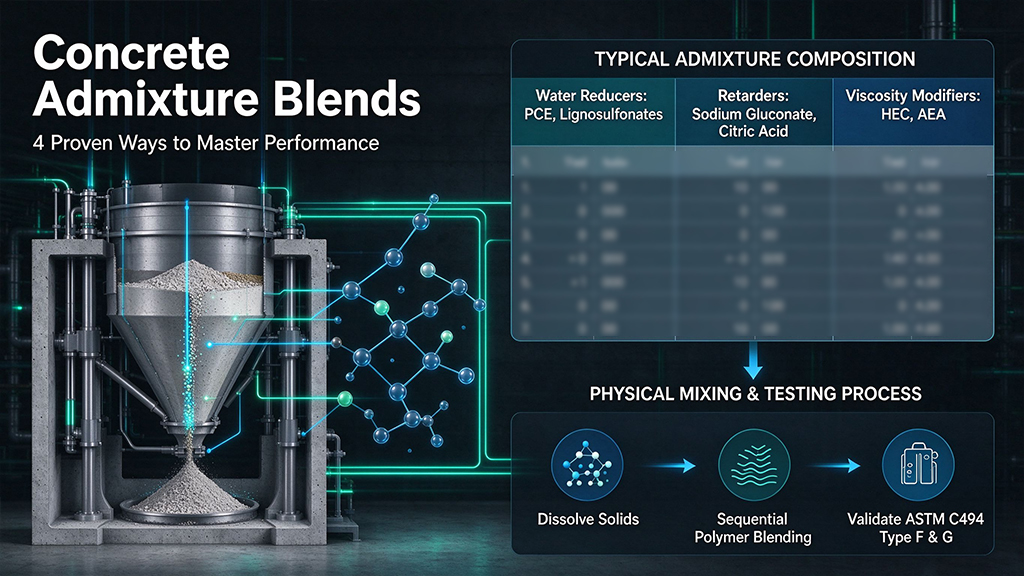
Single-component chemical additives rarely meet modern batching demands. Ready-mix operators require high water reduction, long slump retention, low pressure-bleeding, and controlled air entrainment simultaneously. Achieving these multi-functional goals demands custom concrete admixture blends. Formulators combine unique functional surfactants and inorganic compounds, driving strong synergistic interactions.
Understanding the Core Chemistry of Concrete Admixture Blends
Industrial chemical synthesis relies on balancing specialized raw materials. Modern liquid compounding integrates four fundamental surfactant and electrolyte categories.
Water-Reducing Components: High-range water reducers form the foundation of most concrete admixture blends. Chemists pair polycarboxylate ether (PCE) liquids or powders with naphthalene sulfonate (SNF) or lignosulfonates. These polymers generate steric hindrance and electrostatic repulsion, dispersing cement clinker clusters efficiently.
Slump-Retarding Components: Organic retarders delay early tricalcium aluminate ($C_3A$) hydration. Formulators select sodium gluconate, citric acid, sucrose, or inorganic phosphates to prevent workability loss during extended transit times.
Viscosity-Modifying Components: Synthetic polymers, hydroxyethyl cellulose (HEC) derivatives, and stabilizing gums form protective aqueous networks. These thickeners increase inter-particle cohesion, preventing coarse aggregate segregation under high pump pressure.
Air-Entraining Components: Rosin soaps, alkyl sulfonates, and vinsol resins entrain stable microscopic air bubbles ($10\ \mu\text{m}$ to $100\ \mu\text{m}$ diameter). Proper air entrainment improves pump lubrication and freeze-thaw durability without sacrificing 28-day compressive strength.
Formulating Concrete Admixture Blends for ASTM Compliance
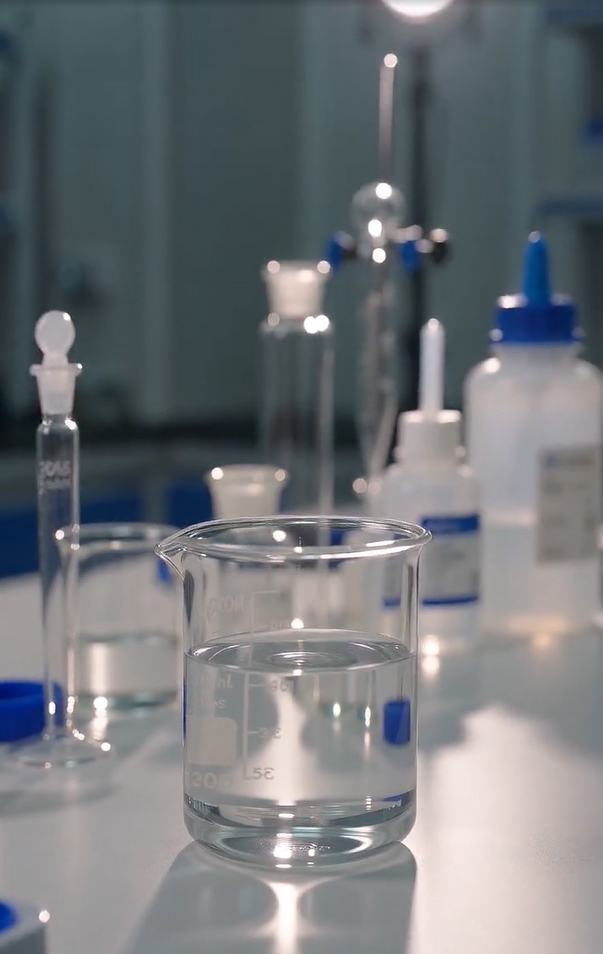
Developing reliable chemical admixtures requires strict technical protocols. Liquid blenders must evaluate chemical compatibility across diverse cementitious materials.
TYPICAL ADMIXTURE COMPOSITION
| Water Reducers | Retarders / Preservatives | Viscosity Modifiers |
|---|---|---|
| Polycarboxylate Ether | سوڈیم گلوکونیٹ | Cellulose Ether / Gum |
| لگنو سلفونیٹس | Sugar / Citric Acid | Air Entrainers |
PHYSICAL MIXING & TESTING PROCESS
| Step 1: Dissolve Solids | Step 2: Sequential Polymer | Step 3: Validate Standards |
|---|---|---|
| Hot Water Tank Dissolution | Sequential Polymer Blending | Validate ASTM C494 Type F & G Standards |
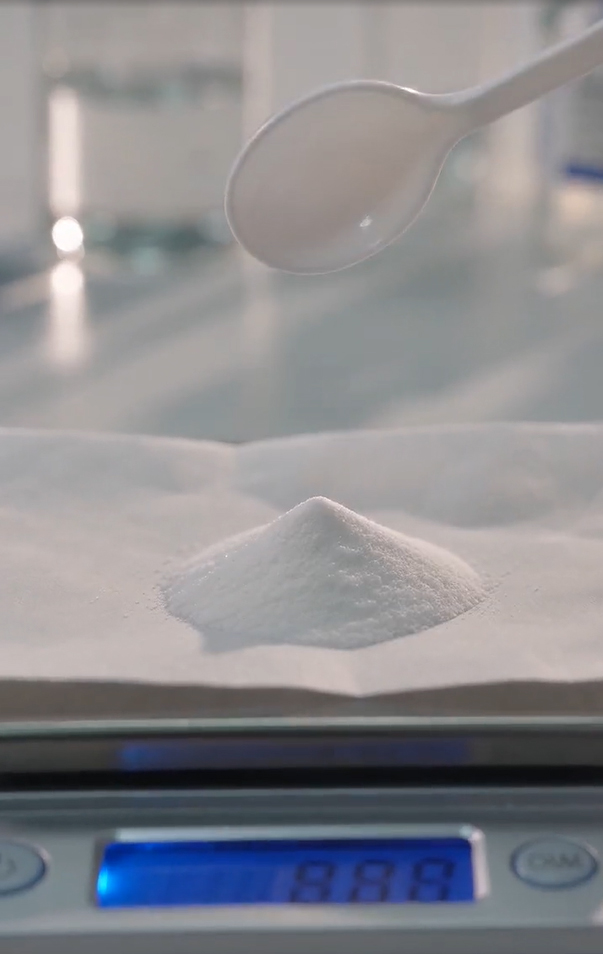
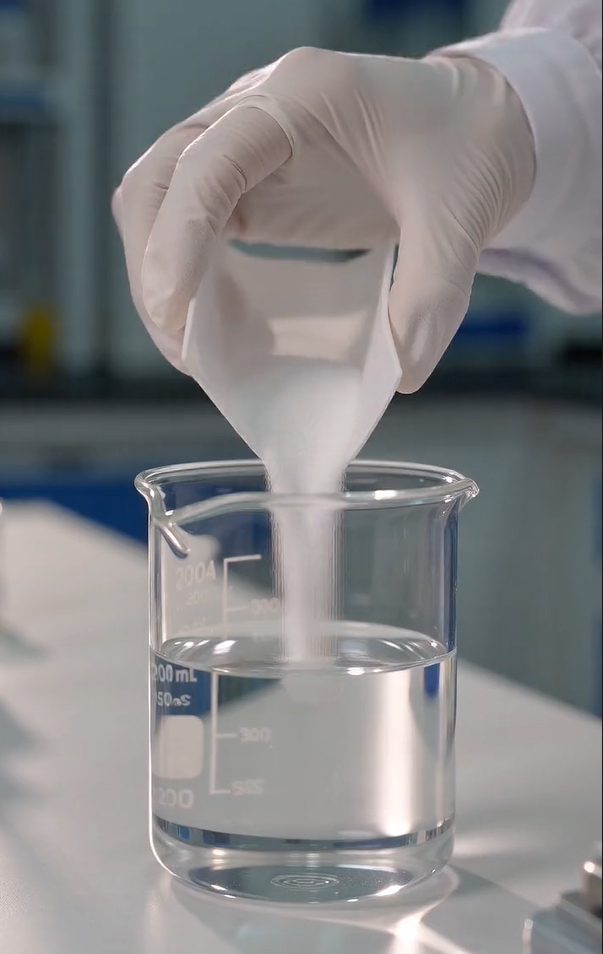
Sequential Solid Dissolution: Workers must dissolve solid retarders, defoamers, and powders completely before introducing liquid polymers. Sequence variations alter final surfactant activity significantly.
Surfactant Synergy Optimization: Combining organic retarders like sodium gluconate with polycarboxylate ether polymers increases total water reduction beyond individual components.
Regulatory Standard Compliance: Custom formulations must meet rigorous performance thresholds under international testing specifications like ASTM C494 Standards. High-range water-reducing formulations qualify under Type F or Type G classifications.
Technical Performance Comparison
Evaluating formulation variables helps plant technicians select optimal component ratios for field trial batches.
| Admixture Component | Primary Function | Typical Active Dosage Range | Synergistic Effect in Blends |
| Polycarboxylate Ether (PCE) | High-range water reduction | $0.20\% – 0.80\%$ | Delivers initial dispersion and steric hindrance |
| سوڈیم گلوکونیٹ | Set retardation & سلپ برقرار رکھنا | $0.03\% – 0.15\%$ | Extends hydration downtime; boosts slump life |
| Cellulose Ether (HEC) | Viscosity modification | $0.01\% – 0.05\%$ | Prevents aggregate segregation and surface bleeding |
| Air-Entraining Agent (AEA) | Micro-bubble stabilizing | $0.005\% – 0.02\%$ | Enhances pumpability; improves frost resistance |
Field Troubleshooting and Batch Diagnostics
Incompatible concrete admixture blends cause severe workability issues on job sites. Technicians should execute structured forensic steps when batch consistency fails.
High Cohesive Stickiness: High fine powder content or excessive paste volume creates heavy friction. Audit total fine aggregate gradations and lower initial polymer dosage slightly.
Aggregate Segregation: Low sand ratios or excessive water reduction destroy paste viscosity. Introduce compatible cellulose thickeners to restore mixture cohesion.
Surface Bleeding Layers: Inaccurate sand moisture readings or aggressive retarder release liberate free water. Re-calibrate plant water meters and adjust retention chemical timing.
Achieving Long-Term Operational Success
Laboratory evaluations must validate every custom blend using actual job-site materials. For further technical specifications on raw material sourcing and liquid blending options, consult our commercial product guides at چنگلی تعمیراتی مواد. Combining technical rigor with systematic site testing guarantees durable, high-performance concrete output.