
Introduction: The Complexity of Admixture Compounding
Building durable concrete structures requires precise chemical formulations. Engineers often compound a Compounding Concrete Superplasticizer to achieve optimal workability. Many variables influence this complex compounding process. Professionals must evaluate raw materials carefully before production begins. Mastering these factors prevents unexpected construction delays on site. Modern job sites demand high performance standards constantly. Quality control specialists analyze numerous parameters prior to batching. Chemical interactions dictate final material behavior under load. Small formulation errors cause severe structural failures later. Thorough preliminary testing ensures reliable field application results.
Section 1: Impact of Cement Composition on Admixture Performance
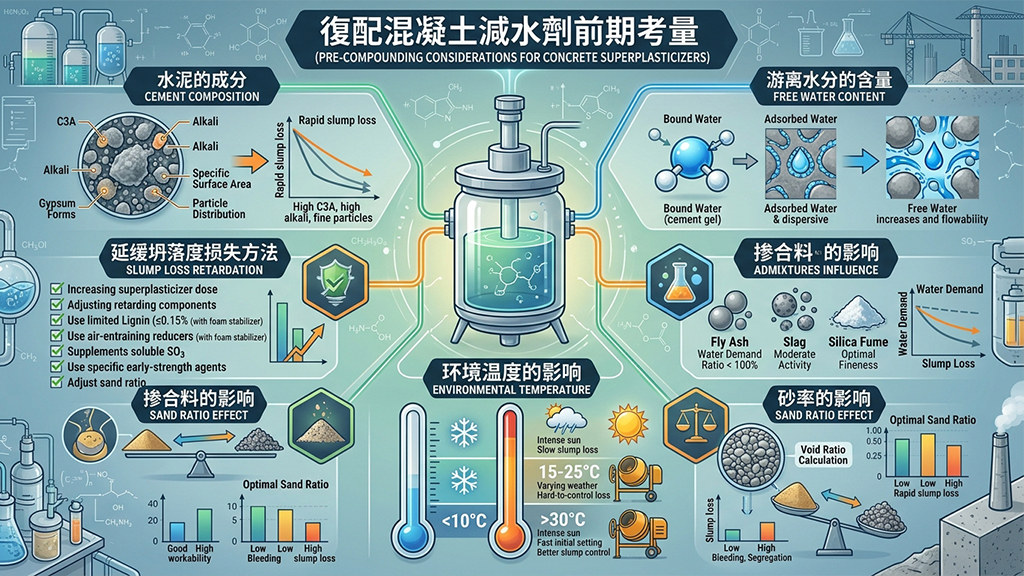
Composició del ciment dictates early fluid retention properties. Mineral phases, alkali levels, and gypsum types alter paste behavior. High tricalcium aluminate content accelerates fluidity reduction significantly. Elevated alkali percentages yield similar destructive outcomes. Technicians measure specific surface areas to gauge chemical reactivity. Grinding processes modify particle size distributions directly. Coarser cement particles behave differently than ultra-fine powders.
Excessive initial temperatures in bulk cement worsen workability drops. Hard gypsum acts as a strong set accelerator. Researchers must track every chemical shift meticulously. Poor sulfate balances trigger rapid consistency failures. Manufacturers utilize specialized ball mills to control particle shapes. Unbalanced clinker chemistry ruins admixture compatibility entirely. Chemists adjust retarders when clinker reactivity spikes unexpectedly. Evaluating kiln burning conditions helps predict raw material behavior. Unstable mineral phases create unpredictable fluidity losses on site. Standard laboratory tests reveal hidden compositional defects instantly. Plant operators reject substandard cement shipments to protect batch quality. Careful supplier audits eliminate costly downstream manufacturing surprises.
Section 2: Role of Free Water Content in Fluidity Retention
Free water governs the initial mobility of cement pastes. Three distinct water forms exist within the mixture. Combined water, adsorbed water, and liquid elements shift constantly. Initial hydration consumes massive amounts of liquid phase quickly. Gels form rapidly and expand the total surface area. Surface adsorption traps substantial quantities of internal moisture. Liquid reduction diminishes steadily as these hydration reactions proceed. Admixtures counteract this decline through targeted dispersion mechanisms.
Controlling early water consumption preserves necessary fluid consistency. Formulators adjust chemical dosages to stabilize internal moisture reserves. Proper balance prevents premature stiffening during transit. Water reduction technologies enhance overall paste flowability remarkably. Molecular chains wrap around cement grains to release trapped liquid. Electrostatic repulsion prevents particle agglomeration inside fresh mixes. Excessive early binding drains available lubrication pools completely. Laboratory experts calculate exact water-to-binder ratios for every batch. Monitoring liquid fluctuations protects concrete against sudden stiffening. Admixture polymers liberate bound water molecules back into solution. Active dispersion restores workability without adding extra liquid. Precise moisture management guarantees superior structural finishing results.
Section 3: Influence of Mineral Admixtures on Workability
Mineral admixtures alter fluid retention dynamics profoundly. Water demand ratios must remain below one hundred percent. High water demand accelerates consistency loss dramatically. Moderate chemical reactivity suits fluid mixes best. Excessively reactive powders shorten open working times. Particle fineness dictates overall water absorption rates. Huge surface areas demand extra mixing water constantly. Low sulfur trioxide contents provoke severe workability drops. Quality control teams test every powder batch thoroughly. Selecting proper replacement materials safeguards structural integrity. Fly ash improves pumpability when processed correctly. Slag additions modify setting profiles across various temperatures.
Limestone powder offers stable filler effects without reactivity spikes. Engineers calculate replacement dosages based on specific project requirements. Uncontrolled pozzolanic reactions destroy carefully designed admixture formulas. Inconsistent particle gradations create massive workability fluctuations on site. Technicians perform rigorous fineness tests before final acceptance. Siliceous materials require specialized dispersion polymers for optimal results. Proper mineral selection guarantees long-term durability and strength.
Section 4: Significance of Sand Ratio in Mix Design
The ideal sand ratio guarantees superior workability and strength. Optimal proportions rely heavily on aggregate void measurements. Traditional mix designs prioritize low sand proportions mistakenly. Such methods fail modern fluid concrete performance standards. Experimental data proves low sand rates cause bleeding. Segregation and board caking plague poorly graded mixtures. Excessive sand content triggers rapid consistency reduction instead. Aggregate void ratios dictate correct sand percentage adjustments. Paste volume expansions lower required sand proportions universally.
Maximum aggregate sizes dictate final fine aggregate thresholds. Poorly calculated aggregate skeletons ruin pumpability entirely. Field trials determine exact sand adjustments for local materials. Crushed stone aggregates demand different volumetric balances than rounded gravel. Fine sand fractions increase water demand significantly. Coarse sand grades reduce surface area reactivity efficiently. Operators balance aggregate grading curves to prevent bleeding. Unbalanced particle distributions cause harsh mix textures on site. Concrete producers prioritize optimal sand fractions for pump stability. Rigorous sieve analysis prevents costly batching errors daily. Careful proportioning ensures smooth placement during large pours.
Section 5: Effects of Ambient Temperature on Hydration Rates
Ambient temperature dictates cement hydration and hardening speeds. Thermal spikes accelerate chemical reactions across all phases. Weather conditions control fluidity reduction rates directly. Mild coldness below ten degrees slows down stiffness loss. Moderate warmth between fifteen and twenty-five creates instability. Controlling consistency becomes extremely difficult within this thermal band. Extreme heat above thirty degrees stabilizes stiffening speeds. Constant hot weather actually simplifies pèrdua de caiguda control tasks. Seasonal variations demand continuous recipe adjustments by operators.
Field engineers monitor weather forecasts before batching concrete. Summer pours require powerful retarder combinations to prevent flash-sets. Winter conditions demand accelerators to maintain acceptable strength gains. Sudden thermal drops catch unprepared batching plants off guard. Direct sunlight increases mixing water temperatures rapidly on site. Insulated water tanks protect raw materials from extreme heat. Cooling systems inject chilled water into mixing drums during summer. Admixture suppliers formulate specialized summer grades for hot projects. Effective thermal management prevents structural cracking in massive concrete foundations. Precise temperature tracking ensures consistent project delivery year-round.

Section 6: Practical Methods to Mitigate Slump Loss
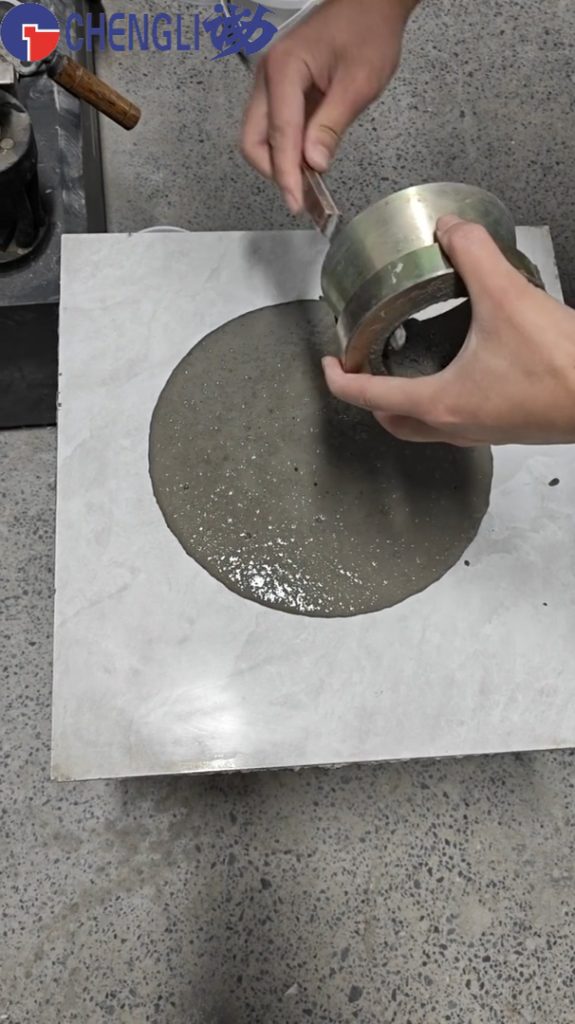
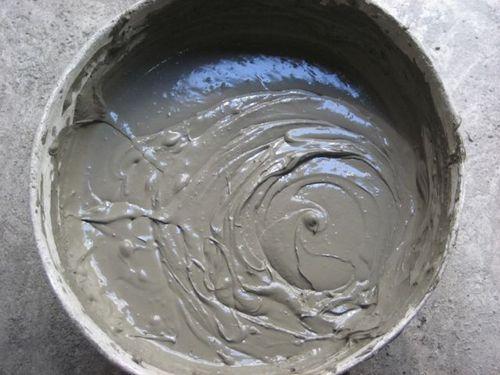
Operators utilize several techniques to combat pèrdua de caiguda. Increasing high-range admixture dosages boosts initial fluidity reliably. Adjusting retarder compositions regulates setting times effectively. Lignin-based admixtures require strict dosage caps below limits. Adding stabilizing foam agents prevents unwanted air loss. Advanced retarder-plasticizers demand companion bubble stabilizers for safety. Supplementing soluble sulfates resolves unexpected under-sulfation issues quickly. Early strength accelerators prolong induction periods successfully. Fine-tuning aggregate proportions stabilizes long-term workability metrics.
Plant managers combine these strategies for optimal field results. Chemical engineers test modified formulas under simulated site conditions. Polycarboxylate ether polymers provide superior retention capabilities over time. Double-add techniques allow delayed polymer injection during transit. Quality auditors verify chemical compatibility before final plant approval. Troubleshooting unexpected stiffening requires systematic component analysis on site. Proper storage protects liquid chemicals from thermal degradation. Batching accuracy determines the success of every complex formula. Ongoing staff training ensures flawless execution during challenging pours.
Conclusion and Final Engineering Recommendations
Successful admixture formulation demands rigorous raw material testing. Adopting systematic approaches eliminates costly jobsite failures. Continuous monitoring ensures consistent structural performance year-round. Modern construction standards require precise scientific chemical control. Investing in quality testing yields superior engineering outcomes. Proper technical preparation guarantees successful project execution everywhere. Industry professionals rely on proven scientific methodologies daily. Future developments will continue enhancing admixture performance standards.