

Zavedení
Generál polykarboxylátový superplastifikátor působí jako hlavní příměs pro komerční betonové projekty. Hodí se pro většinu běžných stavebních scénářů. Tento článek vysvětluje jeho strukturální vlastnosti a rozsah aplikace v jednoduchém jazyce. Pokrývá základní parametry výběru a běžná nedorozumění. Pomáhá pracovníkům ve stavebnictví a nákupu přesně vybírat produkty. Pomáhá také předcházet skrytým rizikům během výstavby.
Polykarboxylátový superplastifikátor vlastní unikátní hřebenovou polymerovou strukturu. Poskytuje stabilnější strukturu a lepší disperzi než naftalen nebo alifatické protějšky. Slouží jako klíčová přísada široce používaná v současných komerčních betonárnách. Má hlavní přednosti: nízké dávkování, vysoké snížení obsahu vody a vynikající zadržování spadnutí. Zřídka trpí rychlou ztrátou poklesu v průběhu času. Má nízký obsah alkálií a vysokou materiálovou kompatibilitu. Málokdy vyvolává nežádoucí reakce cementu nebo minerálních příměsí. Plně splňuje nové národní standardy pro ekologickou výstavbu a shodu.
Typické aplikační scénáře
Generál polykarboxylátový superplastifikátor se zaměřuje na univerzálnost a stabilitu. Stává se nezbytným produktem pro civilní a komunální běžné projekty. Jeho klíčové oblasti použití zahrnují komerční betonárny. Týká se obytných budov, obecních komunikací a malých mostů. Funguje také pro projekty konvenčních podlahových konstrukcí. Vyhovuje přírodnímu písku a standardně vyráběným pískovým surovinám. Vyhovuje běžným teplotním čerpacím stavebním prostředím.
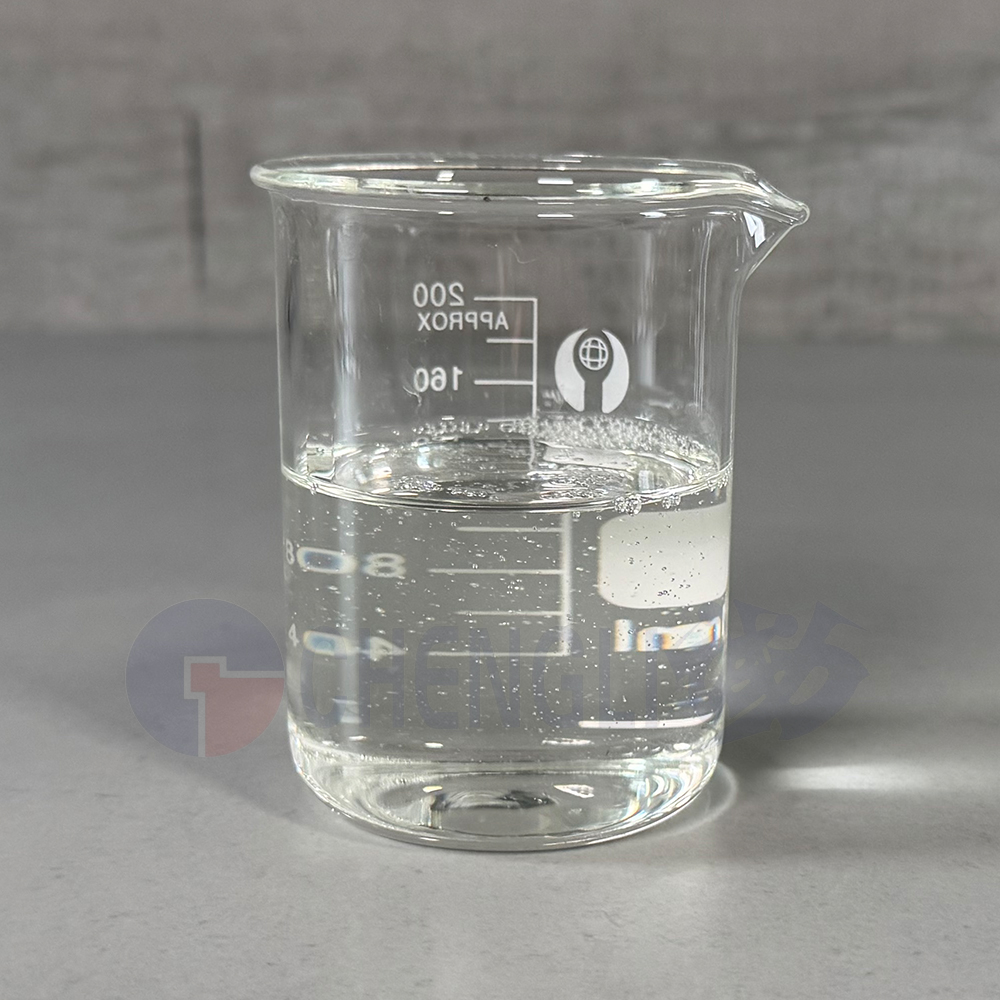
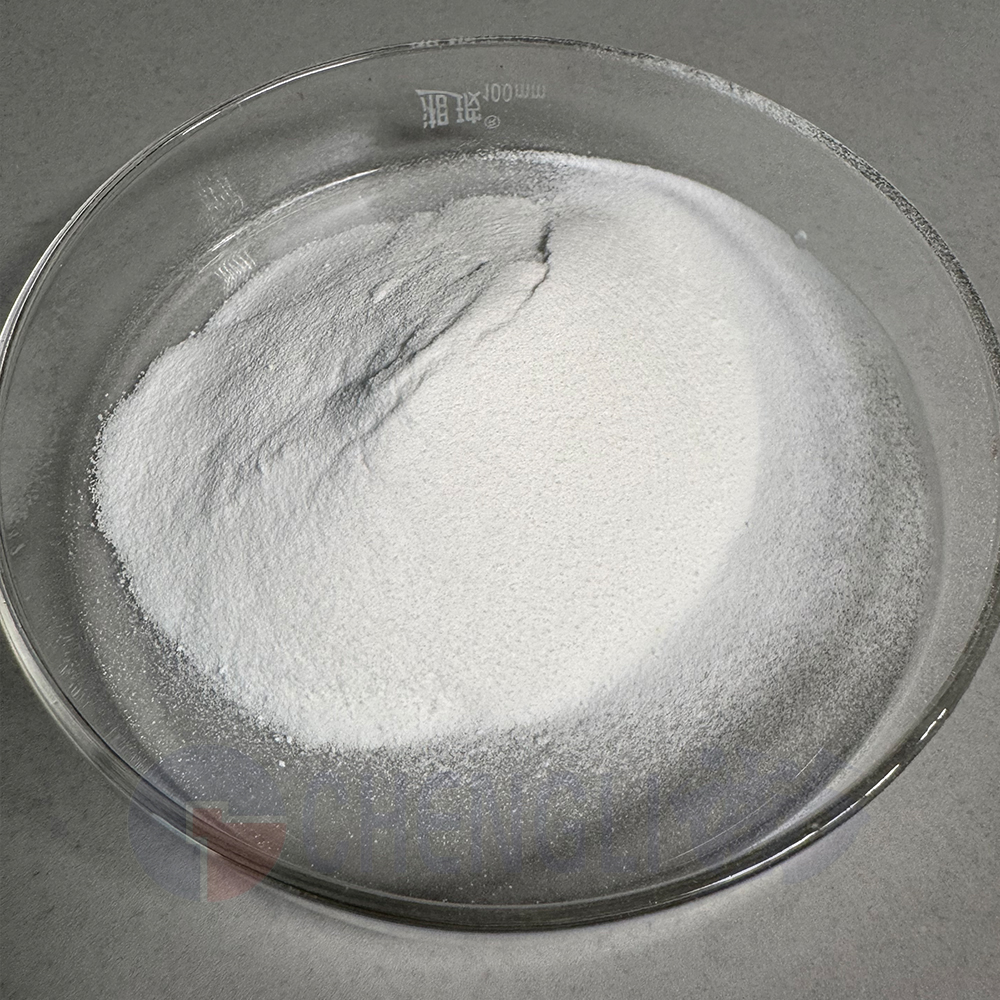
Pět základních parametrů pro výběr produktu
Při výběru produkty slepě neporovnávejte. Zaměřte se na pět hlavních národních standardních indikátorů. Spojte tyto ukazatele s požadavky vašeho projektu.
- Míra snížení spotřeby vody: U běžných projektů ji udržujte minimálně o 25 %. Řídí tekutost betonu a účinnost úspory cementu.
- 1hodinová retence sesedání: Omezte ztrátu sesedání do 30 mm. Stabilizuje dálkové čerpání a zpožděnou výstavbu.
- Obsah pevných látek: Komerční produkty se pohybují od 18 % do 22 %. Stabilní hodnoty zabraňují odchylkám v dávkování.
- Obsah alkálií: Kontrolujte jej pod 3,0 %. Zabraňuje alkalicko-agregátové reakci a pozdnímu praskání.
- Obsah chloridových iontů: Omezte jej pod 0,1 %. Zastavuje korozi oceli a zaručuje trvanlivost konstrukce.
Běžné mylné představy a bezpečnostní poznámky
Většina rizik betonových konstrukcí nepochází z nesprávných operací. Vznikají špatným výběrem nebo zneužitím polykarboxylátový superplastifikátor. Mnoho pracovníků v průmyslu zastává dvě typické mylné představy. Za prvé, věří, že obecné třídy se hodí pro všechny suroviny. Přesto obecné třídy ztrácejí výkonnost s pískem vyrobeným s vysokým obsahem prášku nebo při nízkých teplotách. Za druhé, slepě zvyšují dávkování, aby zvýšili tekutost. Tato akce způsobuje opožděné tuhnutí, krvácení a pomalé nabírání síly.