

Turning Industrial Waste into Sustainable Construction Solutions
Asian construction projects face two key challenges today. They need cost-effective materials and eco-friendly practices. Solid waste-based lignosulfonate solves both problems effectively. This admixture comes from paper mill or bioethanol production waste. It transforms waste into a valuable construction material easily.
lignosulfonate is not a new substance but underused in Asia. Most Asian projects still rely on expensive synthetic admixtures. These synthetics often harm the environment after use. Solid waste-based lignosulfonate changes this narrative completely. It cuts costs while reducing industrial waste pollution.
Understanding this admixture’s origin helps optimize its use. It is extracted from lignin, a natural polymer in plant cells. Paper mills and bioethanol plants produce it as a byproduct. Without reuse, this byproduct becomes landfill waste. Reusing it turns a burden into a green resource.
Asian climates demand durable construction materials. lignosulfonate enhances concrete performance in harsh conditions. It improves workability, making concrete easier to pour and shape. It also boosts strength, essential for high-rise and infrastructure projects. This aligns perfectly with Asia’s rapid urbanization.
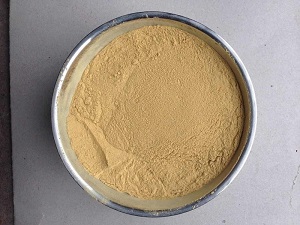
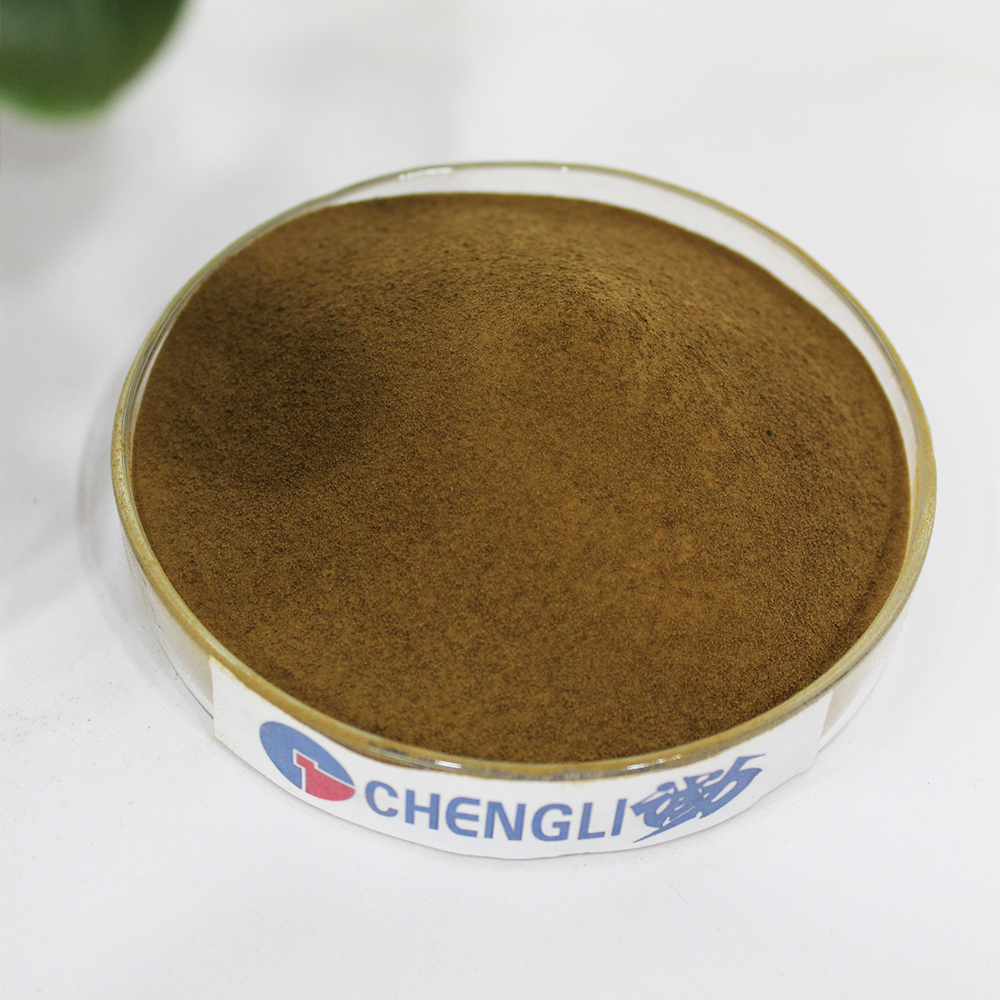
Using solid waste-based lignosulfonate requires simple preparation steps. First, collect and purify the lignosulfonate from industrial waste. Remove impurities to ensure consistent performance. Test its purity with basic lab equipment on-site. This step ensures the admixture meets project standards.
Dosage control is critical for optimal results. The recommended amount is 0.2% to 0.3% of the cement weight. Overdosing can reduce concrete strength unnecessarily. Underdosing fails to deliver desired workability and strength. Always test a small batch before full-scale application.
Mixing methods vary based on project type and scale. For small projects, mix it directly with cement and aggregates. Extend the mixing time by 1-2 minutes for even distribution. For large projects, dissolve it in water first. This ensures uniform dispersion in the concrete mix.
Asian projects often deal with diverse materials and conditions. Adjust the admixture use based on local cement types. Avoid using it alone when temperatures drop below 5°C. In steam-cured concrete, test dosage to prevent performance issues. Adaptation ensures compatibility with regional construction practices.
Real-world Asian projects prove its effectiveness and value. A road project in China used it to reduce costs by 18%+. It also cut carbon emissions by 36% compared to synthetic admixtures. A Vietnamese port project applied it to enhance concrete durability. The admixture resisted saltwater corrosion effectively.
Cost savings make it ideal for budget-conscious Asian projects. It costs 30-50% less than synthetic admixtures like naphthalene-based ones. It also reduces waste disposal costs for paper and bioethanol plants. This creates a win-win situation for industries and construction.
Environmental benefits align with Asia’s green development goals. It diverts tons of solid waste from landfills yearly. It is biodegradable and non-toxic, unlike many synthetic alternatives. Using it helps projects meet green building certification standards. This supports Asia’s push for sustainable infrastructure.
Overcoming misconceptions is key to wider adoption. Some builders worry about inconsistent quality. Proper purification and testing eliminate this issue easily. Others think it underperforms compared to synthetics. Real data shows it matches or exceeds synthetic admixtures in key areas.
Future prospects for this admixture in Asia are bright. More paper mills and bioethanol plants are adopting recycling. This increases the supply of high-quality lignosulfonate. Ongoing research improves its performance for specific Asian needs. It will soon become a staple in green construction.
Adopting solid waste-based lignosulfonate requires minimal changes. Train on-site workers to handle dosage and mixing correctly. Partner with local waste processors for a steady supply. Start with small pilot projects to build confidence. This gradual approach ensures smooth integration.
Solid waste-based lignosulfonate is more than an admixture. It is a solution to Asia’s construction and environmental challenges. It turns waste into wealth, cuts costs, and protects the planet. Every Asian project can benefit from its simple, effective use. It paves the way for a more sustainable construction future.
Unser professionelles technisches Team steht Ihnen rund um die Uhr zur Verfügung, um alle Probleme zu lösen, die bei der Verwendung unserer Produkte auftreten können. Wir freuen uns auf Ihre Zusammenarbeit!