

How a Proven Chemical Admixture Revolutionizes Bridge Durability and Reduces Lifecycle Costs
Bridges stand as critical lifelines in transportation networks worldwide. Their concrete structures face relentless attacks from weather, traffic, and environmental factors daily.
Traditional concrete often fails to meet long-term durability demands, with many bridges requiring major repairs within 20-30 years. This creates massive financial burdens for governments and communities.
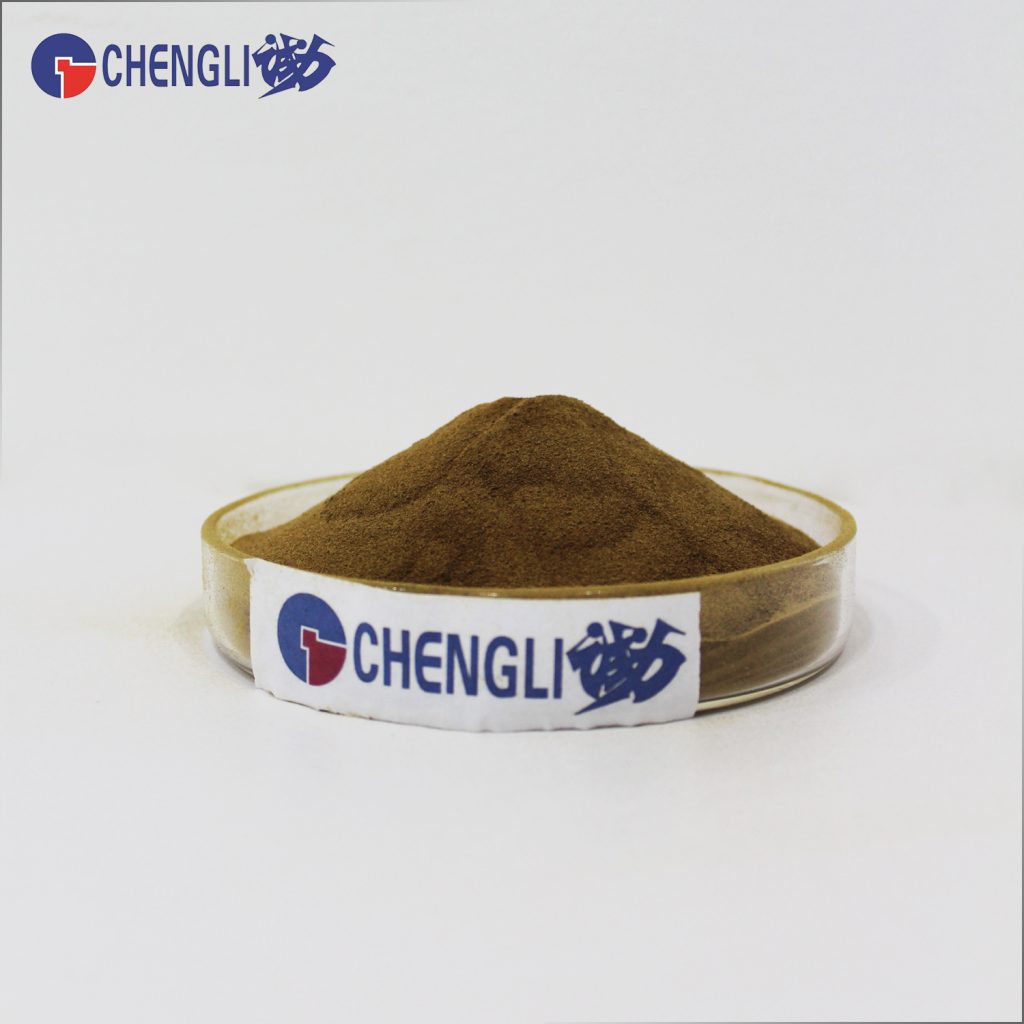
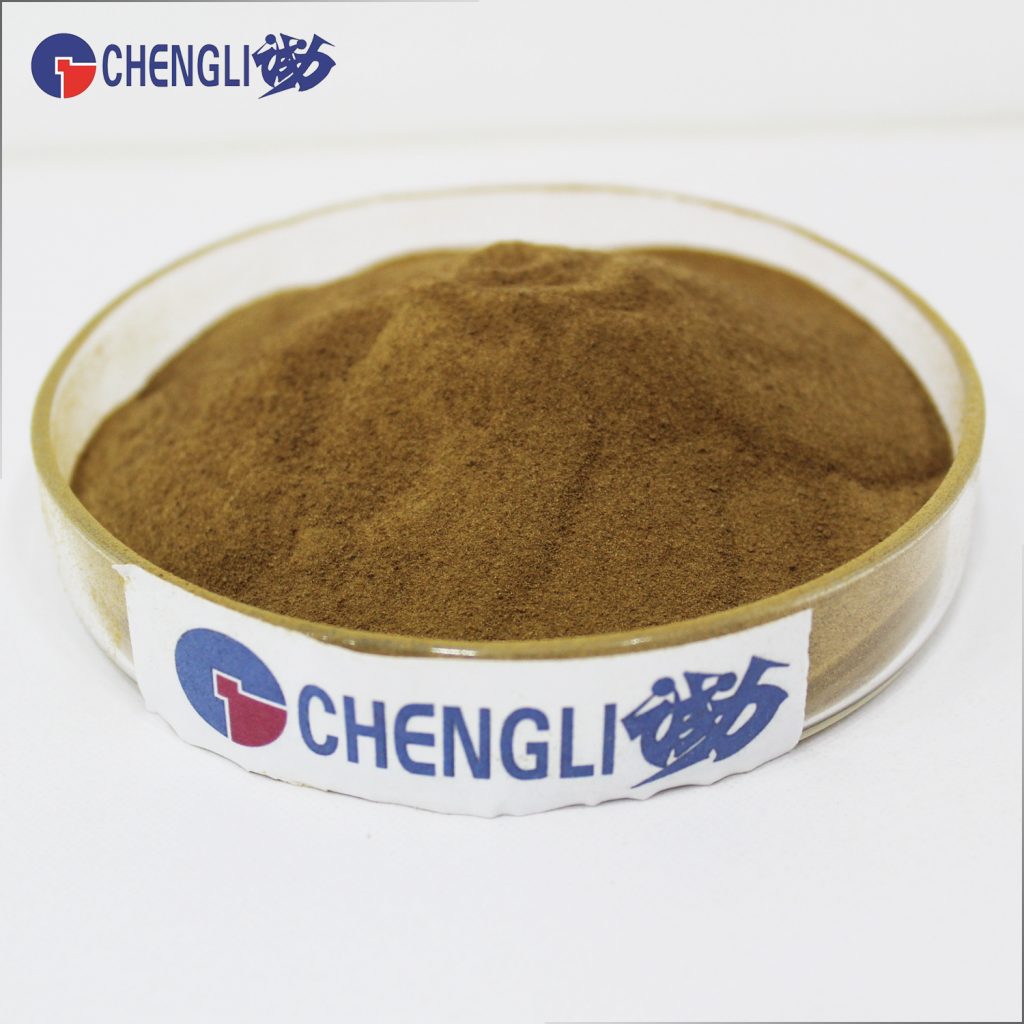
Naphthalene based superplasticizers (NBS) have emerged as a game-changing solution. These chemical admixtures fundamentally enhance concrete performance, pushing service lives beyond 50 years.
Understanding how NBS works requires a look at concrete’s basic composition. Cement particles naturally clump together when mixed with water, forming dense flocs.
These flocs trap water, forcing workers to add more liquid to achieve workable consistency. Excess water creates pores in hardened concrete, weakening its structure over time.
NBS molecules carry strong negative charges that attach to cement particles. This charge induces electrostatic repulsion, breaking apart flocs and dispersing particles evenly.
The dispersion process releases trapped water, eliminating the need for extra additions. Contractors achieve superior workability with a much lower water-to-cement (w/c) ratio.
A reduced w/c ratio transforms concrete’s microstructure. It creates a denser matrix with fewer pores and capillaries, the main pathways for damaging substances.
This dense structure boosts compressive strength significantly. Tests show 28-day strength improvements of 20-40% compared to concrete without NBS .
Durability gains extend far beyond strength. NBS-enhanced concrete resists water penetration, freeze-thaw cycles, and chemical corrosion effectively.
Water permeability drops by 40-80%, protecting reinforcing steel from rust that causes concrete spalling . This resistance is crucial for bridges in harsh climates.
Practical applications confirm NBS’s transformative impact on bridge longevity. A highway bridge project in Eastern China demonstrates these benefits clearly.
Engineers specified NBS for the bridge deck and support structures to combat humidity and heavy traffic loads. The admixture simplified placement in heavily reinforced sections.
It maintained workability for extended periods, reducing cold joints that weaken concrete integrity. No segregation or bleeding issues occurred during placement.
Post-construction testing revealed exceptional performance. Compressive strength exceeded design requirements by 15%, and permeability tests showed minimal water absorption.
Ten years later, inspections show no signs of cracking, spalling, or steel corrosion. Engineers project a service life of 60+ years for the structure.
Cost-effectiveness further strengthens NBS’s case for bridge projects. While initial material costs are slightly higher, long-term savings are substantial.
NBS reduces cement usage by 10-20% while maintaining strength . This cuts raw material expenses and lowers carbon emissions from cement production.
Extended lifespans minimize maintenance costs dramatically. Communities avoid frequent repairs and premature replacements that drain public funds.
Life-cycle cost analyses show 80% reductions in long-term expenses compared to traditional concrete . These savings make NBS a wise investment.
Contractors appreciate NBS’s versatility and ease of use. It works seamlessly with common cement types, including Portland and slag cements .
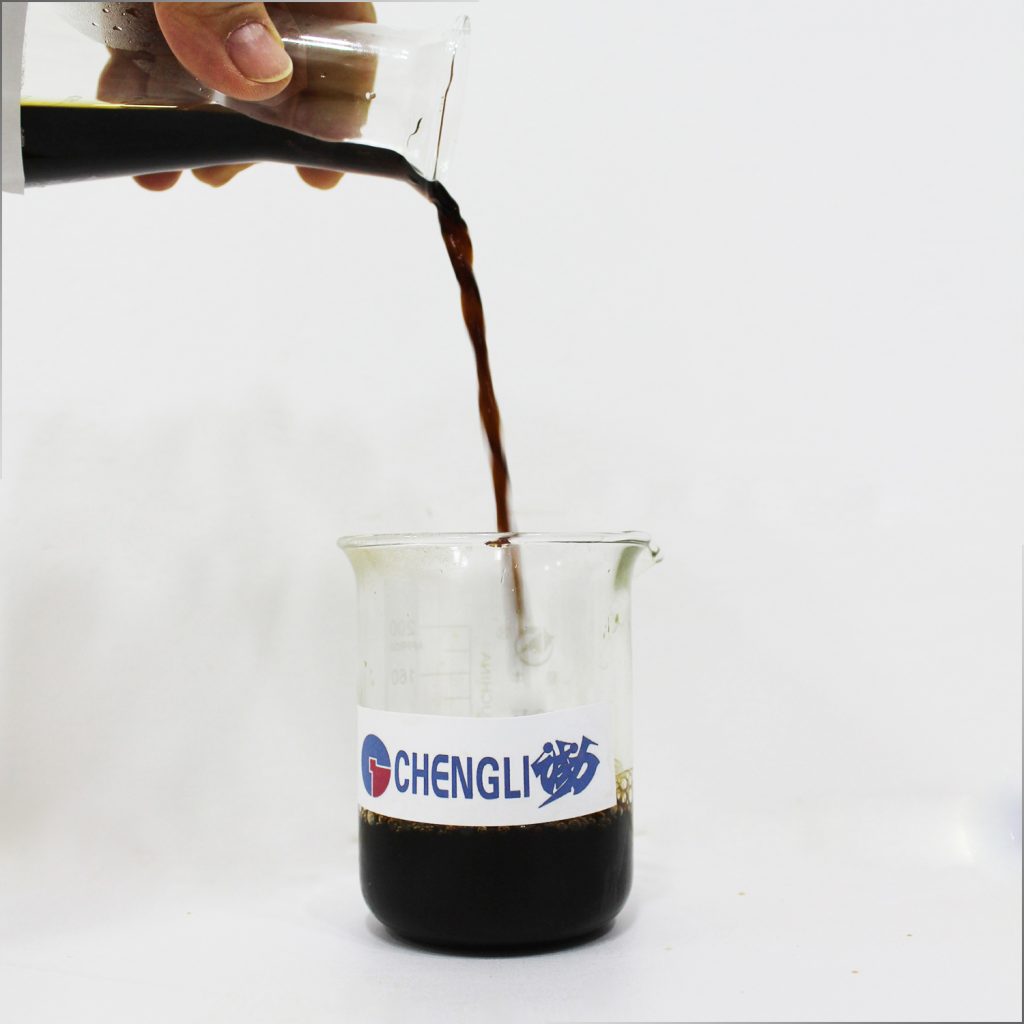
Its application requires no specialized equipment. Workers simply dilute the admixture in water before adding it to the concrete mix.
Recommended dosage ranges from 0.5-1.0% by cement weight . This flexibility allows adjustments for specific project requirements.
NBS also complements other concrete additives. It mixes well with fly ash, silica fume, and air-entraining agents for customized performance .
The road ahead for NBS in bridge construction looks promising. Infrastructure aging creates urgent needs for durable, long-lasting solutions worldwide.
Advancements in NBS formulations continue to improve performance. Low-alkali, high-concentration variants further enhance durability in extreme conditions .
Sustainable construction trends favor NBS. Its cement-reducing properties align with global efforts to lower carbon footprints in infrastructure.
Engineers and contractors increasingly specify NBS for new bridges and rehabilitation projects. Its proven track record builds confidence in long-term performance.
Naphthalene based superplasticizers redefine what’s possible for bridge concrete longevity. They turn 30-year lifespans into 50+ year legacies.
This chemical admixture does more than extend service lives. It creates safer, more sustainable transportation infrastructure for future generations.
As communities face aging infrastructure challenges, NBS offers a reliable, cost-effective solution. It proves that smart material choices transform bridge durability fundamentally.
The evidence from projects worldwide is clear. NBS isn’t just an additive—it’s an investment in infrastructure that stands the test of time.
Our Professional Technical Team Is Available 24/7 To Address Any Issues You May Encounter While Using Our Products. We Look Forward To Your Cooperation!