
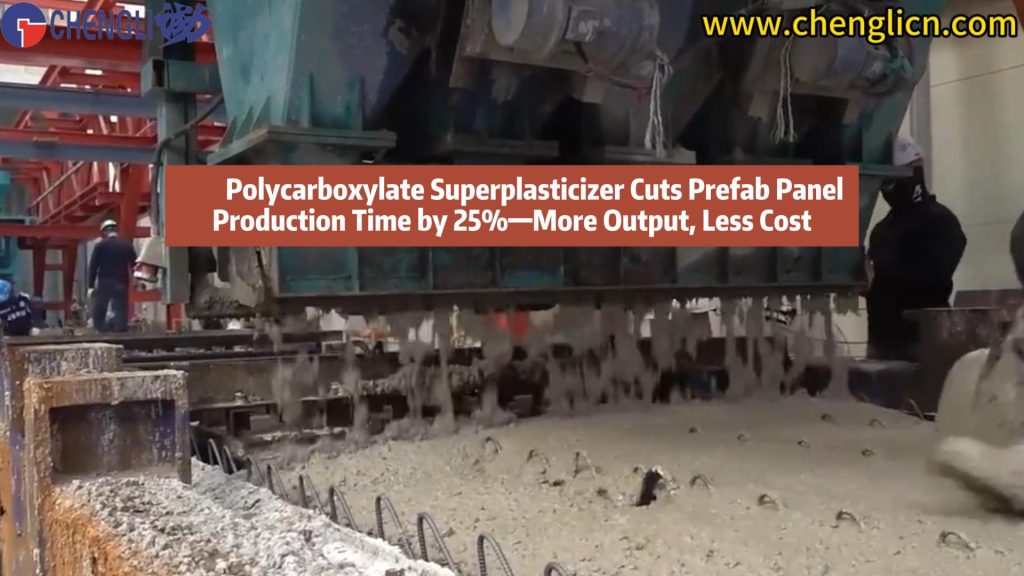
How the Third-Generation Concrete Additive Transforms Prefab Manufacturing Efficiency
The prefab construction industry faces constant pressure to boost speed and cut costs.
Manufacturers around the world grapple with slow concrete setting daily.
Inefficient mold turnover eats into profits and delays project deliveries regularly.
Many teams waste hours waiting for concrete to harden enough for demolding.
Polycarboxylate superplasticizer has emerged as a reliable game-changer.
This third-generation additive solves core pain points with simple, impactful changes.
It reshapes how prefab panels are made without complex equipment upgrades.
Contractors and manufacturers alike praise its ease of use and proven results.
Understanding Polycarboxylate Superplasticizer’s benefits starts with its unique molecular design.
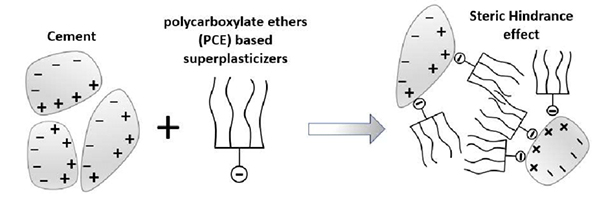
Unlike traditional additives, 폴리카르복실레이트 고성능가소제 uses dual mechanisms to disperse cement particles.
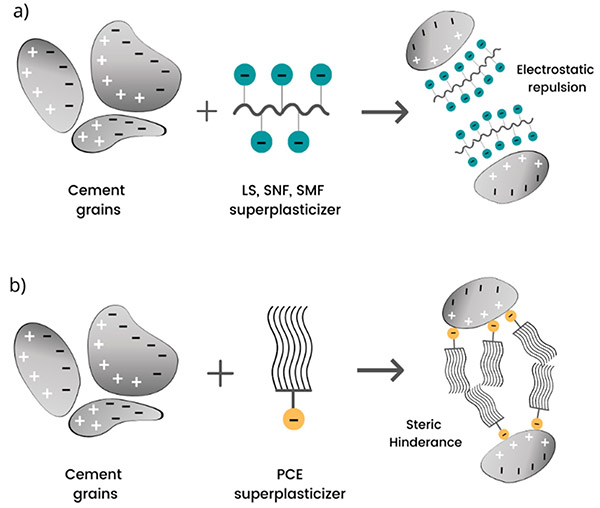
It leverages steric effects to keep cement particles separated effectively.
Electrostatic repulsion further enhances dispersion for smoother concrete mixes.
Older lignosulfonate additives lack this dual-action power entirely.
Naphthalene-based superplasticizers fall short in water reduction and consistency.
폴리카르복실레이트 고성능가소제 outperforms both in nearly every key prefab production metric.
Manufacturers report visible improvements within their first few Polycarboxylate Superplasticizer test runs.
One U.S.-based prefab plant saw results after just three days of using Polycarboxylate Superplasticizer.
Its team cut panel production time from 8 hours to 6 hours per unit instantly.
The 25% production time cut comes from targeted process improvements.
폴리카르복실레이트 고성능가소제 accelerates cement hydration to speed up concrete setting dramatically.
Faster setting means prefab panels can be demolded hours earlier than before.
Workers no longer wait overnight for panels to harden sufficiently.
Earlier demolding directly boosts mold turnover rates for greater output.
A single mold can produce 25% more panels in a single workweek with 폴리카르복실레이트 고성능가소제.
This increased output drives down per-unit costs for prefab manufacturers.
Lower per-unit costs help companies stay competitive in tight markets.
Water reduction stands as 폴리카르복실레이트 고성능가소제’s most impactful advantage for prefab production.
It cuts concrete water content by 30% or more without losing workability.
Contractors can pour smoother mixes that fill molds evenly and completely.
This smoothness eliminates gaps and flaws in finished prefab panels.
Lower water-to-cement ratios create denser, stronger concrete from day one.
This early strength eliminates the need for lengthy steam curing in many cases.
Steam curing requires extra energy and time that manufacturers can now save.
폴리카르복실레이트 고성능가소제’s water reduction also improves concrete durability long-term.
Denser concrete resists cracks, moisture, and harsh weather conditions better.
Prefab panels made with 폴리카르복실레이트 고성능가소제 last longer with fewer repairs needed over time.
This durability adds value for both manufacturers and the clients they serve.
사용 폴리카르복실레이트 고성능가소제 doesn’t require major changes to existing prefab production lines.
Manufacturers can add it directly to concrete mixes without new equipment.
Workers don’t need extensive training to use 폴리카르복실레이트 고성능가소제 effectively.
This ease of adoption makes 폴리카르복실레이트 고성능가소제 accessible to small and large plants alike.
A mid-sized prefab company in Europe shared its success story with Polycarboxylate Superplasticizer.
Before 폴리카르복실레이트 고성능가소제, the company produced 40 panels per week with 10 molds.
After adopting 폴리카르복실레이트 고성능가소제, it increased output to 50 panels per week with the same molds.
Its production time per panel dropped from 7 hours to 5.25 hours on average.
The company also reduced water usage by 32% and energy costs by 18%.
These savings boosted its profit margin by 12% in the first three months.
Such real-world results prove 폴리카르복실레이트 고성능가소제’s practical value for prefab manufacturing.
폴리카르복실레이트 고성능가소제 also supports sustainable construction practices increasingly demanded today.

Less water usage conserves a critical resource for future generations.
Reduced energy use from less steam curing lowers carbon emissions.
Stronger, longer-lasting panels reduce construction waste over time.
This sustainability aligns with global green building standards and goals.
Contractors often prefer prefab panels made with 폴리카르복실레이트 고성능가소제 for their reliability.
Panels with consistent quality reduce on-site delays and rework.
Builders can trust that 폴리카르복실레이트 고성능가소제 made panels will fit and perform as expected.
This trust strengthens relationships between manufacturers and contractors.
Comparing 폴리카르복실레이트 고성능가소제 to traditional additives highlights its clear advantages.
Lignosulfonate additives only reduce water content by 10-15% at best.
They also leave concrete more prone to slump, requiring extra adjustments.
Naphthalene-based additives offer better water reduction but less consistency.
They often cause concrete to set too quickly or too slowly in varying temperatures.
폴리카르복실레이트 고성능가소제 maintains consistent performance across different temperatures and mix designs.
This consistency eliminates the guesswork for prefab manufacturers.
Manufacturers can rely on 폴리카르복실레이트 고성능가소제 to deliver the same results every single time.
Another key benefit: 폴리카르복실레이트 고성능가소제 works well with different types of cement and aggregates.
It adapts to regional material differences without losing effectiveness.
This flexibility makes Polycarboxylate Superplasticizer a global solution for prefab production challenges.
Many manufacturers worry about additive costs eating into savings.
Polycarboxylate Superplasticizer’s higher upfront cost is offset quickly by production and energy savings.
Most plants see a full return on their Polycarboxylate Superplasticizer investment within 2-3 months.
This quick ROI makes 폴리카르복실레이트 고성능가소제 a low-risk, high-reward choice for prefab businesses.
폴리카르복실레이트 고성능가소제 also reduces labor costs by streamlining the production process.
Faster setting and demolding mean workers can complete more tasks per shift.
Fewer hours spent waiting for concrete to harden translate to lower labor bills.
Workers also report less frustration with smoother, more predictable workflows.
Happier, more productive teams contribute to better overall plant performance.
The future of prefab manufacturing will likely rely more on additives like Polycarboxylate Superplasticizer.
As demand for faster, cheaper, and greener construction grows, Polycarboxylate Superplasticizer delivers.
Manufacturers that adopt 폴리카르복실레이트 고성능가소제 now gain a competitive edge in the market.
They can meet tighter deadlines and lower costs while improving quality.
Contractors benefit from more reliable panels and smoother on-site installation.
End clients get longer-lasting buildings that cost less to maintain over time.
폴리카르복실레이트 고성능가소제 isn’t just an additive—it’s a catalyst for positive change in prefab construction.
Its ability to cut production time by 25% transforms bottom lines and workflows.
More output, less cost, and better quality make 폴리카르복실레이트 고성능가소제 a must-have for modern prefab plants.
For manufacturers looking to thrive, 폴리카르복실레이트 고성능가소제 offers a simple, effective path forward.
It proves that small changes in materials can lead to big improvements in efficiency.
당사의 전문 기술팀은 당사 제품을 사용하는 동안 발생할 수 있는 모든 문제를 해결하기 위해 연중무휴 24시간 대기하고 있습니다. 우리는 귀하의 협력을 기대합니다!